

LONDON: UK shoppers could soon see smaller, oddly shaped and unusually coloured vegetables on supermarket shelves as farmers struggle with one of the hottest and driest growing seasons in decades.
Repeated heatwaves following an unusually warm spring have placed significant pressure on crops across the country. The extreme weather is affecting not only the quantity of produce being harvested but also the appearance of vegetables, with some crops developing shapes and colours that would normally lead supermarkets to reject them.
Retailers traditionally apply strict standards to fresh produce, including requirements for specific sizes, shapes and colours. Vegetables that fail to meet those standards are often rejected even when they remain perfectly safe and nutritious to eat.
However, growing concerns about reduced supplies could force supermarkets and other retailers to relax those cosmetic standards. Farmers and food businesses say consumers may therefore encounter more unusual-looking vegetables as retailers attempt to maintain supplies and avoid empty shelves.
Cauliflowers Turning Yellow in the Heat
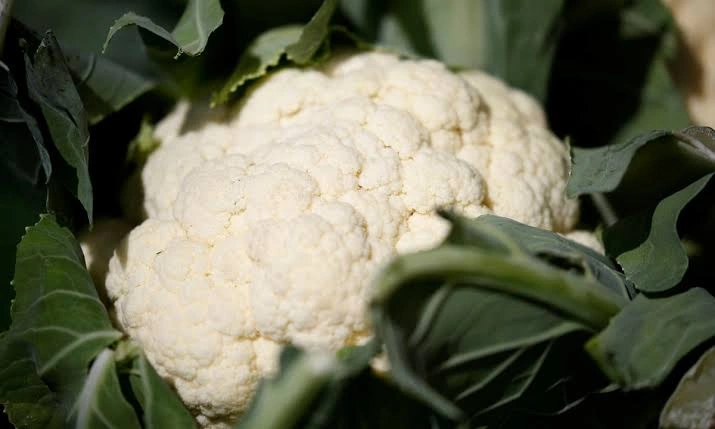
Cauliflower is among the vegetables being visibly affected by the extreme weather. Normally, the cauliflower head remains largely protected from direct sunlight by its surrounding leaves, helping it retain its familiar white colour.
Hot and dry conditions can cause more sunlight to reach the heads, turning them yellow or darker than usual. While the appearance may be different, growers and food suppliers say the change does not necessarily affect the taste or safety of the vegetable.
Emilie Vanpoperinghe, co-founder of surplus-produce subscription company Oddbox, described the colour change as a cosmetic issue rather than a quality problem. She said the affected cauliflowers taste essentially the same as traditionally white varieties.
Oddbox reportedly obtained around 6,000 cauliflower heads last week that were considered too dark for conventional supermarket shelves.
The unusually hot weather has also placed pressure on farmers’ water supplies. Vanpoperinghe said some growers were reporting depleted water reserves, making it more difficult to provide crops with the moisture they need during key stages of growth.
Cauliflowers, broccoli and other brassica vegetables are particularly dependent on sufficient water. Reduced availability can slow their development and ultimately contribute to smaller harvests and tighter supplies.
More Unusual Vegetables Could Reach Shops
The impact of the weather is not limited to cauliflower. Farmers are reporting changes in the appearance and size of a range of crops, meaning shoppers could increasingly encounter vegetables that would previously have been considered unsuitable for mainstream retail.
Cucumbers, for example, may become more curved, while other vegetables can develop unusual sizes, shapes or colours when growing conditions are difficult.
For consumers, these changes are largely cosmetic. A cucumber that bends more than usual or a cauliflower that has developed a yellowish colour can still be perfectly suitable for eating.
The growing acceptance of imperfect produce could also help reduce food waste. Large quantities of fruit and vegetables are routinely rejected because they fail to meet supermarket appearance standards despite being edible.
Heat Puts Pressure on UK Food Supplies
The latest growing season has created wider concerns for the UK’s agricultural sector. Persistent heat and limited rainfall can reduce crop yields while increasing the amount of water required to maintain production.
Farmers must also manage higher temperatures during periods when crops are particularly vulnerable. If growing conditions remain difficult, reduced harvests could place additional pressure on supply chains and potentially affect prices.
Retailers therefore face a choice between maintaining traditional cosmetic standards and accepting more visually unusual produce. With supplies becoming tighter, growers and food businesses expect supermarkets to become more willing to stock vegetables that would previously have been rejected.
Vanpoperinghe said retailers’ priority would increasingly be ensuring that customers continue to find vegetables available on shelves rather than allowing shortages to develop.
For shoppers, that could mean seeing more “sun-tanned” cauliflowers, wonky cucumbers and other imperfect vegetables in stores in the coming weeks.
Although the appearance of some produce may change because of extreme weather, farmers and food suppliers emphasise that unusual shapes and colours do not automatically mean poorer quality.
The changing appearance of British vegetables is another visible reminder of how extreme heat and dry conditions are affecting agriculture. As farmers adapt to increasingly challenging growing seasons, consumers may also need to become more accepting of produce that looks different but remains just as suitable for the dinner table.