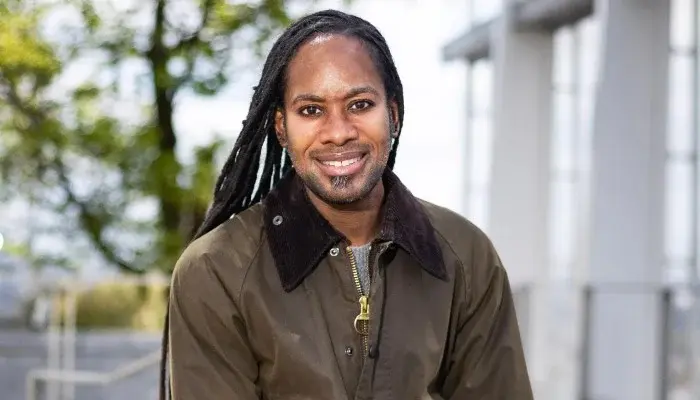
A former Cambridge University professor has been found dead just one week after resigning from his post following weeks of plagiarism allegations. The news of the ex-Cambridge professor dead has sent shockwaves through Britain’s academic community and reignited debate over how universities handle misconduct claims. Police have said the death is being treated as unexpected but not suspicious.
Background
The professor at the centre of this tragedy had built a fast-rising academic career, becoming one of the youngest Black professors ever appointed at Cambridge University. His appointment was widely celebrated at the time as a milestone for diversity in British higher education. He had spoken publicly about overcoming significant early-life challenges, including being nonverbal as a child, before eventually rising through the ranks of academia. That celebrated narrative began to unravel earlier this year. Questions were first raised by Nathan Cofnas, a former Cambridge philosophy researcher who had previously left the institution after criticising diversity and inclusion initiatives. Cofnas published a detailed piece alleging inconsistencies in the professor’s academic record, his claimed qualifications, and several honorary appointments listed on his profile. The allegations quickly gathered pace. Multiple British newspapers, along with broadcasters, began independently investigating the claims. Within weeks, what started as a single Substack article had escalated into a full-blown international controversy surrounding one of Cambridge’s most prominent recent hires.
Details
Cambridge University confirmed it had opened a formal investigation into the professor’s appointment and qualifications after what officials described as “new information” coming to light. The inquiry examined not just his academic credentials but also claims he had made about athletic achievements and charitable fundraising work, both of which came under intense scrutiny from journalists and academic peers alike. Facing mounting pressure, the professor resigned from his position just days before his death. In his resignation statement, he described the experience as deeply painful, saying the scrutiny had gone “far beyond scholarly disagreement” and had taken a serious personal toll on him and his family. His memoir, released the same week as his resignation, had also come under fire. Sections of the book describing his personal history and career achievements were questioned by readers and journalists, adding further pressure during an already difficult period. His publisher stood by the decision to release the book despite the growing controversy. Emergency services were called to a residential address in Battersea, south London, on Friday afternoon, where the professor was found unresponsive. The Metropolitan Police confirmed a 41-year-old man was pronounced dead at the scene, in line with standard police procedure of not immediately naming the deceased.
Quotes
Cambridge University’s Vice-Chancellor released a statement expressing sorrow over the loss. She said the university was “desperately saddened” by the news and extended heartfelt sympathies to the professor’s family and friends during what she called an incredibly difficult time. The professor’s family, in a statement shared through his publisher, said they were in shock at losing someone they described as an amazing father, partner, brother, and son. They pointed to what they called a prolonged campaign of misinformation, saying the pressure had become too much for a man they described as gentle and always eager to see the best in people. The Metropolitan Police, for their part, issued a brief statement confirming that the death was being treated as unexpected but was not considered suspicious at this stage. No further details regarding the cause of death have been released publicly.
Impact
The death of a former Cambridge professor under such circumstances has triggered intense reflection across British academia. Many are now questioning how universities handle allegations of misconduct, and whether public scrutiny of academic staff has crossed a line from legitimate accountability into something far more damaging. Supporters of Nathan Cofnas argue his original questions were legitimate and necessary, pointing to genuine discrepancies in the professor’s record that warranted investigation. Critics, however, say the intensity of the online and media backlash following his claims went well beyond reasonable scrutiny and contributed to a tragic outcome. The case has also reopened wider conversations about diversity hiring practices at elite institutions like Cambridge, with some commentators arguing the university failed to properly vet the professor’s credentials before his high-profile appointment. Others insist the focus should remain on preventing further harm rather than assigning blame in the aftermath of a death. Beyond Cambridge, universities across the UK are now watching closely, aware that similar controversies involving public figures and academic credentials could unfold elsewhere. The story has become a case study in how quickly reputational crises can escalate once questions are raised publicly.
Conclusion
As investigations continue, Cambridge University has pledged to review the circumstances surrounding the professor’s original appointment, along with the broader vetting processes used for senior academic hires. A coroner’s inquest is expected in the coming weeks, which should provide further clarity on the official cause of death. For now, tributes continue to pour in from colleagues, students, and members of the public who remember the professor’s contributions to sociology and education. The wider debate around academic scrutiny, mental health pressures in public life, and institutional accountability at Cambridge is likely to continue for months to come.
FAQs
Q1. Who is the youngest black professor at Cambridge University?
The professor at the centre of this case became one of the youngest Black professors ever appointed at Cambridge University when he took up his post in 2023. He was appointed to a professorial chair within the sociology of education department, a milestone that was widely celebrated at the time as an important moment for diversity within British higher education. His rapid rise to a senior academic position, combined with the personal story he shared about overcoming early-life challenges, made him one of the most talked-about appointments at Cambridge in recent years, before the controversy surrounding his qualifications later emerged.
Q2. What is the salary of a professor at Cambridge University?
Salaries for professors at Cambridge University vary considerably depending on seniority, department, and additional responsibilities such as research grants or administrative roles. Generally, professorial salaries at Cambridge fall within a range set by national UK academic pay scales, though senior or chaired professors can often negotiate additional compensation. Exact figures are not always made public, since individual contracts can include performance-related adjustments, research funding contributions, and other benefits that are specific to each academic’s role and department within the university.
Q3. What is the latest news from the University of Cambridge?
The most recent major news from the University of Cambridge concerns the death of a former professor who had resigned just a week earlier amid a plagiarism scandal and questions over his academic credentials. The university has confirmed it is reviewing the circumstances of his original appointment and has expressed condolences to his family. This development has drawn significant national and international attention, with many now watching closely to see how Cambridge responds to the wider questions raised about its hiring and review processes going forward.