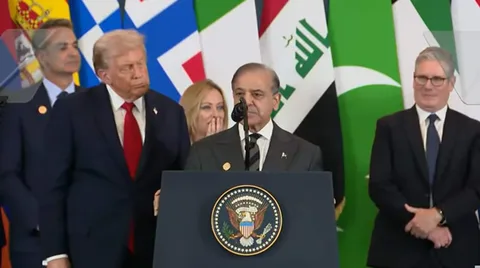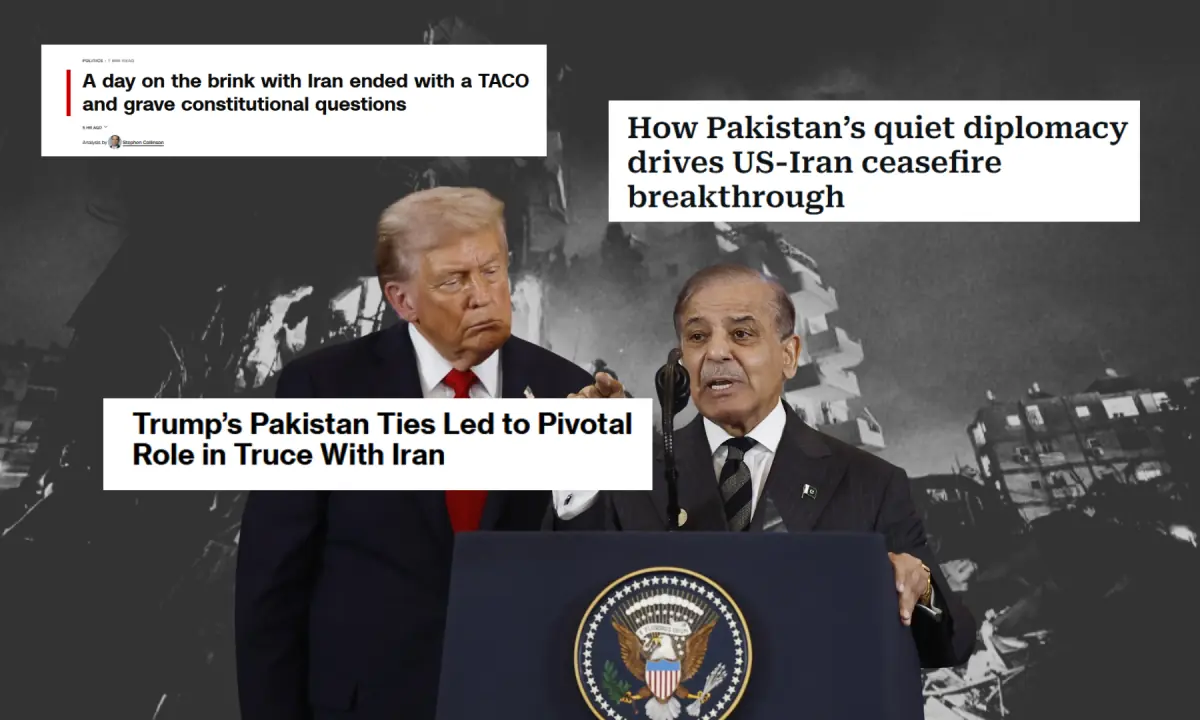
Pakistan has stepped into one of the most sensitive diplomatic roles in recent Middle Eastern history. As the 2026 Iran war between the United States, Israel, and Iran pushed the region toward deeper instability, Islamabad quietly positioned itself as the bridge that neither Washington nor Tehran could fully do without. The Pakistan role in Iran war ceasefire has grown from a single overnight diplomatic push into an ongoing mediation effort that continues to shape the future of the region even now, in August 2026.
For many readers, the immediate question is simple: why is Pakistan involved in Iran war diplomacy at all, when the conflict is being fought thousands of kilometers away from its own soil? The answer lies in geography, history, and necessity.
Background: How Pakistan Entered the Iran War Ceasefire Process
The 2026 Iran war began on 28 February 2026, after joint airstrikes by the United States and Israel targeted Iranian positions, an escalation that shocked the region and triggered fears of a wider Middle East war. Pakistan, which shares a 900-kilometer border with Iran, found itself in an unusually delicate position from the very first day. Islamabad condemned the strikes on Iran while also condemning Iranian attacks on Gulf states, adopting an official policy of neutrality rather than taking sides. This neutral posture became the foundation of Pakistan’s later mediation role. Officials in Islamabad have repeatedly stressed that their objective was never headline diplomacy but resolving what they call a complex and historically consequential conflict. By early April, Pakistani diplomats were engaged in intense shuttle diplomacy between Tehran, Washington, and Gulf capitals, working to prevent a full collapse of communication between the warring sides.
Details: Pakistan’s Mediation and the Islamabad Talks
On 8 April 2026, after an overnight diplomatic push that Pakistani sources described as hours away from total failure, Islamabad succeeded in securing a two-week ceasefire between the United States and Iran. Pakistan’s Prime Minister Shehbaz Sharif announced the breakthrough directly, stating that an immediate ceasefire covering Iran, the United States, their allies, and even Lebanon had been agreed upon. This success led to the first round of the Islamabad Talks on 10 and 11 April, where a 300-member American negotiating team led by senior US officials met Iranian representatives on Pakistani soil. Pakistan’s Chief of Defence Forces, Field Marshal Asim Munir, along with Deputy Prime Minister and Foreign Minister Mohammad Ishaq Dar, played central roles in hosting and facilitating these negotiations. The ceasefire was extended in the weeks that followed, but it remained fragile. Reports in May 2026 indicated the truce faced repeated near-collapses, with both sides accused of violations. Pakistan continued its balancing act throughout, rejecting allegations that it was aiding Iran militarily while facing pressure from allies of the United States, including calls from some American lawmakers for a reassessment of Islamabad’s mediator role. By June 2026, a 60-day negotiating window was established, running through mid-August, aimed at converting the fragile ceasefire into a lasting framework covering the Strait of Hormuz, sanctions relief, and broader regional security concerns. As of this week, Pakistan’s Defense Minister Khawaja Asif told international media that the United States and Iran were close to reaching some form of arrangement, describing the situation as shaping up again in favor of peace, though he stopped short of confirming a final breakthrough.
Does Pakistan Support Iran or America?
This is one of the most frequently asked questions surrounding the crisis, and the honest answer is neither exclusively. Pakistan has deliberately avoided declaring loyalty to either side. Islamabad maintains long-standing security and economic ties with the United States, while also sharing deep religious, cultural, and geographic bonds with Iran. Pakistani officials have consistently argued that genuine mediation requires impartiality, and that picking a side would instantly destroy their credibility as a neutral broker. At the same time, Pakistan has expressed solidarity with Gulf allies such as Saudi Arabia during the conflict, showing that its diplomacy is layered rather than one-directional. This careful balancing act is precisely what analysts say has allowed Pakistan to remain in the room when other potential mediators were sidelined.
Did Iran Attack Pakistan in 2026?
Despite some confusion online, there is no credible evidence of an Iranian military attack on Pakistan during the 2026 Iran war. In fact, the opposite trend has unfolded. Iran and Pakistan have deepened cooperation throughout the year, with senior officials from both countries holding repeated meetings on trade, security, and regional stability. In August 2026 alone, Pakistan and Iran held their 10th Joint Trade Committee meeting in Islamabad, reaffirming a shared target of ten billion dollars in annual bilateral trade, while Iranian and Pakistani security officials described their relationship as each other’s long-standing strategic depth.
Quotes From Officials
A senior Pakistani official told international media that the objective behind the mediation was to resolve a complex and historically consequential conflict rather than to earn diplomatic credit. Pakistan’s Defense Minister Khawaja Asif told Bloomberg this week that things were shaping up again in favor of a peace arrangement, while cautioning that no final deal had yet been confirmed. Iran’s Deputy Secretary of the Supreme National Security Council, Major General Mohsen Rezaei, described Iran and Pakistan as historically serving as each other’s strategic depth during a meeting with Pakistan’s Interior Minister this week.
Impact: Regional and Global Significance
The Pakistan role in Iran war ceasefire carries weight far beyond South Asia. A successful resolution to the Strait of Hormuz dispute would ease pressure on global oil markets, which have remained volatile throughout the conflict. For Pakistan itself, the mediation has offered a rare opportunity to reposition itself internationally as a stabilizing force rather than a source of regional tension, though critics note that Islamabad’s credibility on peace-building has historically faced scrutiny due to its past handling of militant networks.
Domestically, Pakistan has also faced consequences from its neutral stance, including energy supply concerns and public protests linked to the wider war, even as it simultaneously manages tensions along its Afghan border.
Conclusion: What Comes Next
With the 60-day negotiating window set to expire around mid-August 2026, Pakistan’s diplomatic efforts are entering a critical final stretch. Islamabad has signaled it will continue working through both direct and indirect channels to prevent spoilers from derailing the process. Whether the current momentum produces a lasting agreement between the United States and Iran remains uncertain, but Pakistan’s mediating role has firmly established itself as a defining feature of the 2026 Iran war ceasefire process, and its outcome will likely shape Pakistan’s regional standing for years to come.
Frequently Asked Questions
What is Pakistan’s role in the Iran-Israel war?
Pakistan has positioned itself as a neutral mediator rather than a direct participant in the Iran-Israel war. Since the conflict escalated in February 2026, Islamabad has engaged in continuous shuttle diplomacy between Tehran, Washington, and Gulf states, and it was instrumental in securing the initial ceasefire agreement in April 2026. Pakistan has also hosted multiple rounds of negotiations known as the Islamabad Talks, bringing American and Iranian delegations together on its own soil in an effort to convert a fragile truce into a lasting settlement.
Why is Pakistan holding talks between the US and Iran?
Pakistan’s involvement stems from its unique geographic and diplomatic position. It shares a lengthy border with Iran and maintains working relationships with both Washington and Tehran, which few other countries in the region can claim simultaneously. Pakistani officials have framed their motivation as a genuine attempt to prevent a wider regional war, protect economic stability, and reduce the humanitarian toll of the conflict, rather than pursuing any particular political advantage from the process.
Is Pakistan a supporter of Iran?
Pakistan has not declared exclusive support for Iran, nor for the United States or Israel. Islamabad has publicly condemned attacks on Iranian territory while also condemning Iranian strikes on Gulf states, reflecting a deliberately balanced position. While Pakistan and Iran share deep historical, religious, and economic ties that have grown even stronger throughout 2026, Pakistan has simultaneously preserved its long-standing relationship with the United States, insisting that its mediating role depends on maintaining strict neutrality between all parties involved in the conflict.