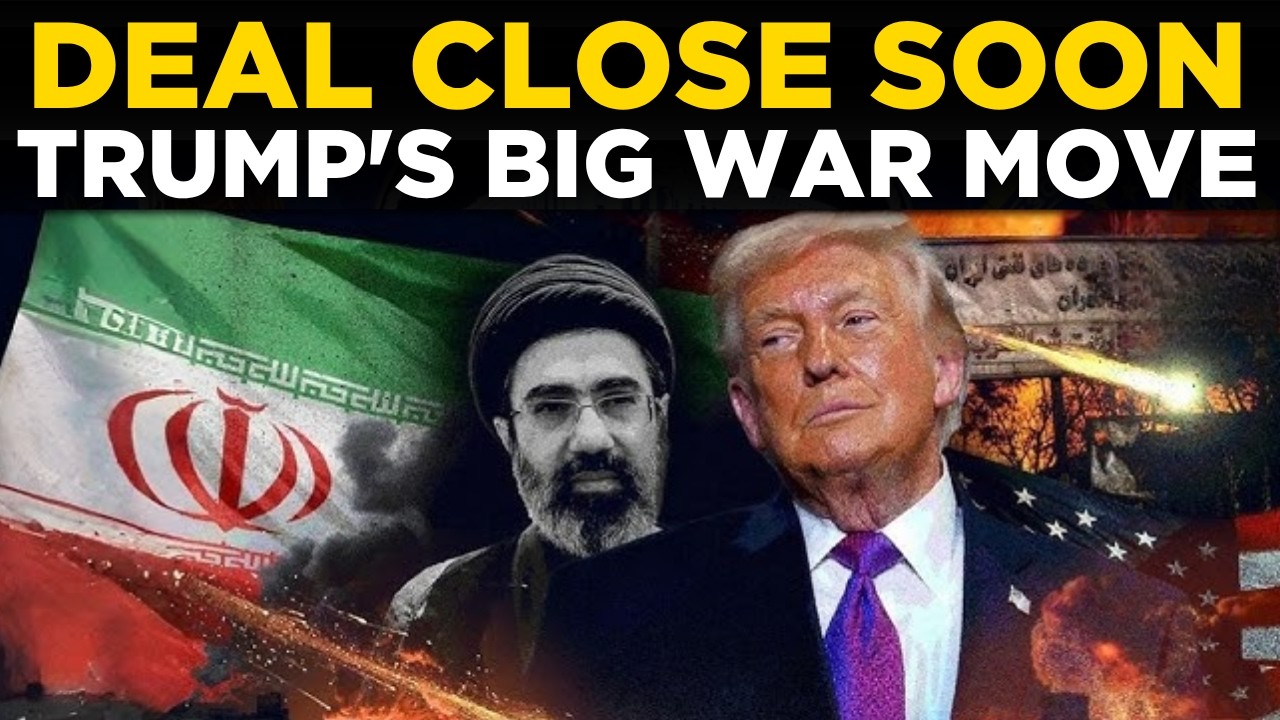
Military tensions remain high, nobody has stood down, but diplomatic contacts between Washington and Tehran are still happening and right now, that’s the most important thing.
Iran’s Position on Hormuz: Non-Negotiable, For Now
Iranian officials made their stance clear again this week. The Strait of Hormuz is not up for negotiation. Decisions about navigation, maritime security, and military deployments in the area will be made in Tehran, not in Washington or anywhere else. That’s the message, and Iranian officials have been consistent about delivering it.
The statement came in the middle of renewed international pressure around maritime safety in the Gulf pressure that Iran is essentially responding to by refusing to treat the Strait as an international issue subject to outside management. From Tehran’s perspective, this is about sovereign authority over waters they consider central to national security. From Washington’s perspective, it’s about freedom of navigation through one of the world’s most critical shipping lanes.Both of those positions have genuine logic behind them. That’s precisely what makes the standoff so difficult to resolve.
The Diplomatic Thread That Hasn’t Snapped
Here’s the part that doesn’t make many headlines but arguably matters most: the diplomatic channel is still open.
Reports from multiple sources indicate that indirect communications between the US and Iran have continued throughout this period of military tension. Neither government is trumpeting this public statements on both sides remain firm and occasionally combative. But behind those statements, officials from several countries are facilitating quiet conversations aimed at preventing the kind of misunderstanding that turns a tense standoff into an actual war.
Diplomatic observers consistently make the same point: even limited, indirect communication reduces the risk of accidents. When both sides have no communication at all, a misidentified vessel, a misread radar signal, or a commander making a split-second call can spiral into something neither government actually wanted. Keeping any channel open however informal provides a circuit breaker.No breakthrough has been announced. But the absence of a breakdown is itself significant.
Military Forces: Still Ready, Still Watching
On the ground and at sea, readiness hasn’t dropped. Naval deployments continue monitoring commercial shipping in the Gulf. Air defense systems remain active. Intelligence surveillance is ongoing on multiple sides.
Security analysts are careful to note that military readiness during a tense diplomatic period doesn’t mean conflict is imminent. Governments routinely maintain defensive postures precisely because they want to deter escalation, not trigger it. The presence of military assets is partly what keeps the other side from making moves they might otherwise consider.
The balance being attempted prepare militarily while engaging diplomatically is genuinely difficult to maintain over extended periods. Fatigue, political pressure, and the constant risk of incidents all work against it. But it’s the balance both sides appear to be attempting right now.
Israel: Watching, Preparing, Staying Ready
Israeli security officials continue monitoring Iranian military activities with the same intensity they’ve maintained throughout this crisis period. Surveillance operations are ongoing, intelligence sharing with international partners continues, and Israeli leaders haven’t softened their public position that they will respond to security threats.
What Israel is doing right now, practically speaking, is watching the US-Iran dynamic carefully while maintaining its own defensive posture. Israeli interests are deeply tied to the outcome of whatever diplomatic or military trajectory this takes a broader regional war doesn’t serve Israeli interests, but neither does a diplomatic arrangement that leaves Iranian military capabilities intact and expanding.The Israeli calculation is complicated, and Israeli officials are navigating it carefully.
Why Everyone Keeps Talking About the Strait of Hormuz
If you’ve been following this story and wondering why this particular body of water keeps coming up here’s why it matters so much.
The Strait of Hormuz is approximately 33 kilometers wide at its narrowest point. Through that narrow channel flows roughly 20% of the world’s traded oil every single day. Liquefied natural gas from Qatar which heats homes and powers industries across Europe and Asia moves through it. A significant share of the energy that keeps modern economies running passes through waters that Iran borders on one side.
That geographical fact gives Iran enormous leverage and it’s leverage they know how to use. Even the suggestion of disruption to Hormuz shipping moves oil markets. Actual disruption would have consequences that ripple through fuel prices, freight costs, and inflation in countries far removed from the Middle East.
That’s why every government with energy imports is watching this situation. That’s why shipping companies have enhanced security protocols. And that’s why insurance premiums for Gulf shipping have been elevated insurers are pricing in risk that they hope never materializes.
Markets: Nervous but Functional
Financial markets have been tracking every development with the kind of attention usually reserved for major economic data releases.
Oil prices remain sensitive to Gulf news in ways they haven’t been for several years. Each military incident pushes prices upward; each positive diplomatic signal brings them back slightly. The net effect over the past months has been elevated prices that reflect sustained uncertainty rather than any specific catastrophic event.
Shipping hasn’t stopped commercial vessels continue moving through the Gulf with enhanced precautions, and the major shipping lanes remain operational. But the cost of operating in the region has gone up, and those costs eventually show up somewhere in supply chains and consumer prices.
The economic damage from sustained uncertainty, even without actual conflict, is real and cumulative.
The Humanitarian Dimension
Amid the geopolitical maneuvering and market analysis, aid organizations are keeping track of something different: people.
Further escalation would affect civilian populations across multiple countries simultaneously. Displacement, disruption to medical supply chains, damage to civilian infrastructure humanitarian agencies have been preparing contingency plans while hoping they won’t need to use them.
The people most vulnerable in any escalation scenario are, as usual, those with the least ability to protect themselves from decisions made far above them. That dimension deserves more attention than it typically gets in coverage dominated by military movements and diplomatic statements.
Regional Diplomacy: The Quiet Work
Several Gulf governments are doing something important that rarely makes international headlines: hosting conversations.
Regional capitals are facilitating discussions between diplomats, security officials, and international mediators that don’t appear in official communiqués. These behind-the-scenes efforts shuttle diplomacy, informal contacts, messages passed through trusted intermediaries often do more to prevent conflicts than formal negotiations.
Political analysts who study the region take these channels seriously. They’re not glamorous and they don’t produce press conferences, but they’ve prevented escalations before and there’s reason to believe they’re doing important work right now.
The Expert Assessment: Cautious, Not Confident
The security analysts who watch this region for a living are landing in roughly the same place: cautiously not-pessimistic, but not comfortable.
The read is that neither Iran nor the United States actually wants an uncontrolled regional war. The costs for both would be severe. Iran’s economy, already under significant pressure from sanctions, cannot absorb a major military conflict. The United States has no domestic appetite for another large-scale Middle East military commitment. Both governments have incentives to find an off-ramp.
But incentives to avoid war and the ability to avoid war aren’t the same thing. Accidents happen. Domestic political pressures in both countries push toward harder lines. Miscalculations occur. And the more military assets are concentrated in a small geographic space, the higher the probability that something goes wrong that neither side intended.
The next few weeks, analysts say, will likely be defining. Either diplomatic momentum builds toward something more durable, or another incident resets the cycle.
The Bottom Line
The US-Iran situation is exactly what it looks like a genuinely dangerous standoff where diplomacy is the only rational path but isn’t guaranteed to succeed.
Iran holding its position on Hormuz isn’t surprising. The US maintaining its military posture isn’t surprising. What’s slightly more encouraging than the public statements suggest is that people are still talking, even if the talking is happening quietly and without fanfare.
That thread of communication is what prevents the worst outcomes. Whether it’s enough to produce better ones remains the question.
FAQs
Is the Iran conflict ending?
Not yet, and not definitively. There’s no official confirmation of a resolution, no ceasefire announcement, no signed agreement. What exists is a period of elevated tension alongside continued diplomatic communication which is a better situation than elevated tension with no communication at all. A genuine resolution would require broader regional agreements on nuclear issues, sanctions, maritime security, and regional influence. None of those conversations are close to concluded.
Who’s militarily stronger Iran or Israel?
This comparison is genuinely complicated because the two countries have built fundamentally different military capabilities. Israel has some of the world’s most sophisticated air power, missile defense systems, and intelligence infrastructure. Iran has an enormous missile arsenal, advanced drone capabilities, and a network of regional allies and proxy forces spanning multiple countries. Security experts consistently avoid declaring a clear winner because any conflict between them would depend so heavily on circumstances, international involvement, and strategic choices that the question of raw military strength is almost secondary.
Are Iran and Israel technically still at war?
There’s no formal declaration of war between them, but describing the relationship as peaceful would be wildly inaccurate. Direct military confrontations have occurred. Proxy conflicts continue. Intelligence operations target each other regularly. The two countries are locked in a deep strategic rivalry that expresses itself through direct and indirect military means, and the international community continues trying to prevent that rivalry from escalating into something with consequences that spread well beyond the two countries involved.