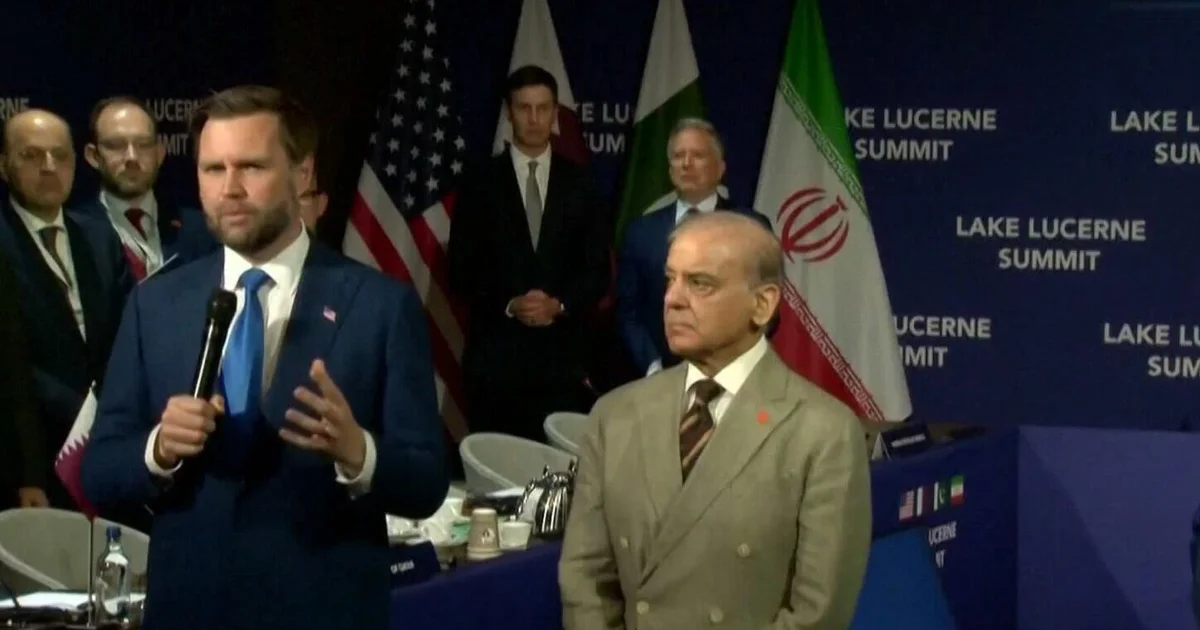
The first round of US-Iran Talks has begun in Switzerland, at a moment when tensions across the Middle East are already running high. The talks land alongside renewed concern over regional stability, maritime trade routes, and the broader security picture involving Iran, Israel, and other regional players.
This round of Iran US Talks Switzerland is drawing attention for a specific reason: it overlaps with fresh discussion of sanctions relief, frozen assets, regional security arrangements, and the future of shipping through the Strait of Hormuz. Political leaders, investors, and foreign policy watchers are all paying close attention to where this goes.
Background to the US-Iran Talks
Washington and Tehran have spent decades cycling between confrontation and limited cooperation. Sanctions, regional influence, nuclear activity, and military deployments have all been sources of friction at different points.
This round of talks is happening in Switzerland, which has hosted diplomatic engagements between estranged states before and is a fairly predictable choice when both sides want neutral ground.
The backdrop is months of rising tension across the Middle East: security incidents, economic strain, and worry over energy supplies, all of which push policymakers toward talking rather than escalating. The latest Iran US Talks Switzerland round is an attempt to deal with the immediate pressure points while still leaving room for longer-term stability.
Key Issues on the Negotiation Table
A handful of issues are expected to dominate the room.Sanctions are one. Iran’s economy has taken a real hit from them, and Iranian officials keep pushing for relief, arguing the restrictions are choking trade, investment, and domestic development.
Frozen Iranian assets held abroad are another. Tehran wants more access to that money; Washington has tied financial concessions to wider diplomatic and security conditions.
Regional security is the third major thread. Ongoing conflicts and political instability elsewhere in the Middle East aren’t separate from these talks. They shape what either side is willing to offer.
Then there’s the Strait of Hormuz, probably the most sensitive item on the list given how much global energy trade runs through it.
Strait of Hormuz Remains a Global Concern
The Strait of Hormuz links the Persian Gulf to international shipping lanes and carries a huge share of the world’s oil and gas exports. Any disruption there ripples out fast.
Recent comments from Iranian officials on maritime security have put the strait back in the spotlight, and shipping companies, energy traders, and governments are watching closely.
Uncertainty around the strait tends to move oil prices, insurance costs, and shipping schedules almost immediately, which is why maritime security is likely to get serious airtime during these talks. A credible agreement on stability there would matter well beyond the region.
Trump Iran Debate Returns to Political Spotlight
The question of Trump Iran policy has come back into the conversation as talks move forward.
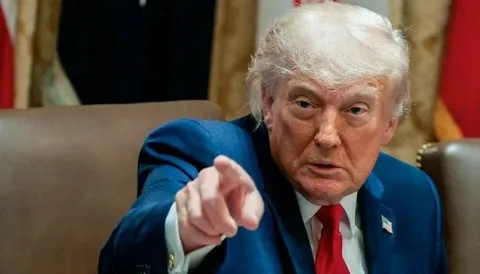
Donald Trump remains a central figure in any debate over US strategy toward Iran. His supporters argue that maximum-pressure sanctions gave Washington real leverage; critics argue that sustained diplomacy is the more durable path to lowering tensions. That argument hasn’t gone away, and it’s likely to keep running in parallel with the negotiations themselves, both at home and abroad.
Israel News and Regional Security Calculations
Israel is watching these talks closely, and for good reason. Israeli officials have been consistent in flagging security concerns tied to Iran, and developments coming out of the Swiss talks could shift regional alliances and military planning well beyond the two countries actually at the table.
Any deal between Washington and Tehran carries implications for the wider regional security picture, which is why governments across the Middle East are tracking these negotiations as closely as Israel is. It’s one more reminder of how tangled the region’s overlapping conflicts and interests really are.
Global Economic Implications
The outcome here reaches past diplomacy and into markets. Energy prices are sensitive to anything involving Iran, given the country’s role in regional oil production and transport.
Investors are watching for signs of where sanctions policy is headed, what trade openings might appear, and whether the region is becoming more or less predictable. A positive signal from the talks could ease market nerves around supply; a breakdown could do the opposite.
Shipping, energy, finance, and manufacturing firms all have a stake in how this plays out. Middle East uncertainty has a habit of showing up in markets far from the region, which is part of why these talks are getting attention well beyond foreign policy circles.
Iran World Cup Preparations Continue Amid Diplomatic Developments
Away from the negotiating table, Iran World Cup preparations are still very much on fans’ minds. Iran is one of Asia’s strongest footballing nations and a regular at major tournaments, and that doesn’t stop mattering just because diplomacy is in the headlines.
Football has a way of holding people’s attention even when politics is dominating the news, and Iran’s World Cup buildup is a good example of that.
Iran vs Belgium Discussion Gains Attention
There’s also chatter among fans about a potential Iran vs Belgium matchup, two sides with strong footballing pedigree and competitive records on the international stage.
Diplomacy is dominating the headlines right now, but that hasn’t dented interest in a matchup like this. A game between these two would draw plenty of global attention on its own merits.
Officials Emphasize Diplomatic Solutions
The people actually in the room have stressed the value of talking rather than escalating. Diplomats from several countries have voiced support for efforts to lower tensions and avoid further escalation.
The gaps between the two sides are real, but continued dialogue is still being treated as a positive sign by most observers tracking the talks.
Participants in the Swiss talks have signaled that progress will likely take patience and more than one round of negotiation. Even so, the fact that both sides are willing to sit down directly has been welcomed internationally.
Potential Impact on the Middle East
How this plays out matters for the wider region. Better relations between Washington and Tehran could open the door to regional de-escalation and more diplomatic engagement generally.
A stalled or failed round, on the other hand, risks reviving uncertainty around security arrangements, economic cooperation, and future diplomatic efforts.
That’s why regional governments are paying close attention to Switzerland right now. A lot is riding on whether these talks produce something concrete, including the future of the Strait of Hormuz and the broader security relationships tied up in it.
Conclusion
The opening round of US-Iran Talks in Switzerland is one of the more closely watched diplomatic stories right now, covering sanctions, frozen assets, regional security, and the Strait of Hormuz all at once.
Trump Iran policy debates, Israel News, and regional security concerns will keep shaping how this story develops. The gaps between Washington and Tehran are real, but both sides showing up to talk is still a meaningful step toward lowering the temperature in the region.
FAQs
Has US-Iran negotiations started?
Yes. The latest round of US-Iran Talks is underway in Switzerland, with senior representatives from both countries focused on sanctions, frozen assets, regional security, and maritime stability in the Strait of Hormuz. Expectations are modest, but the talks are a genuine attempt to lower tensions and find areas where the two sides can work together.
Who is Iran’s biggest ally?
Russia and China are usually named as Iran’s closest international partners, with cooperation spanning economic, diplomatic, and security matters. Iran also maintains ties with various regional partners and organizations, though how strong those relationships are at any given moment depends on the broader geopolitical situation.
Is the Iran War finished?
There’s no officially declared war between Iran and the United States. Tensions involving Iran, regional actors, and security developments are still very much active, though, and that’s exactly what talks like this one are aimed at managing. Where things go from here depends largely on whether the diplomatic track holds.