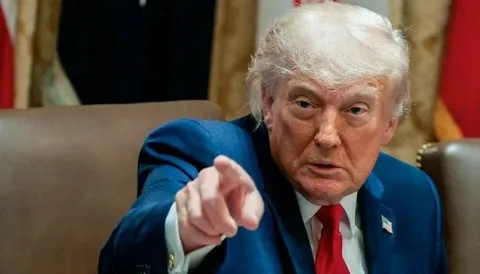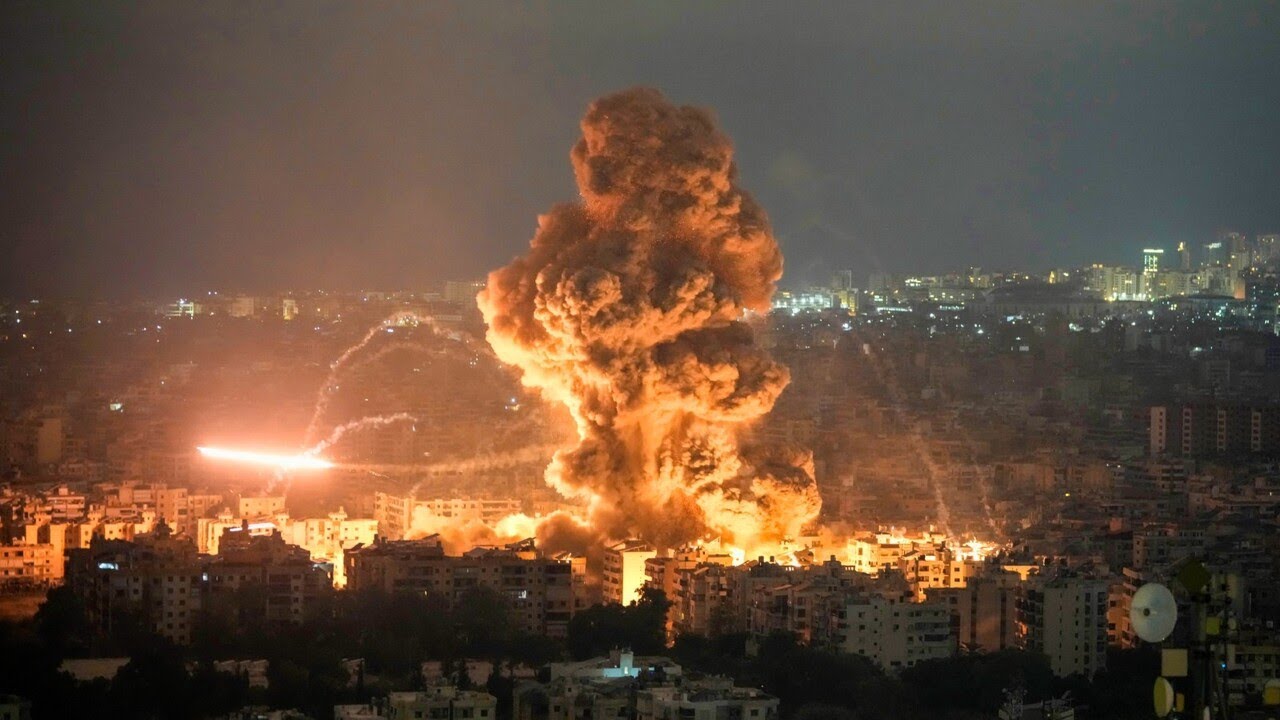
Tensions between Israel and Lebanon have flared up again in 2026, with fresh reports of Israeli strikes stoking fears that the wider region could be pulled into instability. France has stepped in diplomatically, calling on former US President Donald Trump to use his influence and push Israel to scale back its military actions in Lebanon.
The overnight strikes reportedly left at least 16 people dead, a toll that has already drawn condemnation from officials and diplomats around the world. Most are now calling for the same thing: restraint, and a return to the negotiating table.
Background
Israel and Lebanon haven’t had an easy relationship for decades. Border disputes, security flashpoints, and a long history of military confrontations have kept things fragile, even during quieter periods. The latest escalation has reopened old wounds and revived concerns that violence could spread further.
It’s no surprise that searches like “Did Israel bomb Lebanon today” and “Did Israel bomb Lebanon this week” have spiked, as people scramble to keep up with a fast-moving situation.
This isn’t happening in a vacuum, either. The latest violence follows a period where both sides had at least attempted ceasefire arrangements and diplomatic talks. World leaders have been vocal about wanting to avoid any escalation that would put more civilians at risk.
What’s Happening on the Ground
The latest round of strikes has hit several areas across Lebanon overnight, leaving casualties in its wake and putting fresh pressure on global leaders to act. France has been among the most outspoken, urging Trump directly to lean on Israel and push for a halt to the attacks. French officials have framed this as essential not just for de-escalation, but for protecting civilians caught in the middle.
There’s a lot of uncertainty hanging over the region right now. Can things settle down again, or are we looking at a longer, messier conflict? That’s the question analysts are wrestling with, and a big part of the answer hinges on whether existing ceasefire agreements hold or collapse entirely. If they break down, the fighting could intensify along border areas that are already on edge.
International organizations have repeated their warnings: continued fighting risks worsening an already difficult humanitarian situation. Getting aid to civilians, keeping people safe, and maintaining some level of regional security remain the top priorities.
A Long, Complicated History
The Israel-Lebanon relationship has never been simple. It’s been defined by cycles conflict, then calm, then conflict again for as long as most people can remember. When someone searches “Israel and Lebanon,” they’re usually trying to make sense of this pattern: border tensions, military strikes, and the diplomacy that follows.
What’s striking about the current crisis is how quickly things can unravel. One moment there’s a fragile calm, the next there’s renewed fighting. Regional players and global powers alike are watching closely, hoping to keep this from spiraling into something bigger.
Ceasefire Violations and the Trust Problem
There’s been a lot of attention on whether Israel is attacking Lebanon despite an active ceasefire and that question matters more than it might seem. Ceasefires exist to buy time: time for negotiations, time to get humanitarian support where it’s needed. But once there are accusations of violations, trust erodes fast, and that makes everything harder to fix.
Reports suggesting Israel has continued strikes despite ceasefire terms have triggered renewed calls for accountability. Diplomats from multiple countries are pushing both sides to honor existing agreements and prioritize peace over further confrontation.
Looking at Both Sides of the Conflict
It’s not just a one-way story. There’s also concern about potential attacks from Lebanon toward Israel, which is why searches like “Lebanon attack on Israel today” have picked up too. People want the full picture, not just one side of it.
This isn’t simply a bilateral dispute anymore it’s becoming a regional security concern. Neighboring countries are worried about getting pulled in if the fighting continues to spread. That’s part of why diplomatic channels remain so active right now, with multiple governments working behind the scenes to cool things down.
What Officials Are Saying
France has been blunt about wanting international pressure applied to reduce the violence and protect civilians, framing diplomacy as the only realistic path forward. Other world leaders have echoed similar concerns about the humanitarian toll, urging both sides to show restraint.
Experts who study the region have pointed out something worth noting: military action without a political solution tends to just delay the problem, not solve it. Long-term stability needs more than a pause in fighting.
The Human Cost
Beyond the headlines, there are real families dealing with the fallout displacement, disrupted lives, and limited access to basic services. The conflict has made things significantly harder for humanitarian organizations trying to operate in Lebanon, especially when security conditions shift unpredictably.
The Middle East’s instability rarely stays contained to the region alone; it tends to ripple outward, affecting global markets and international relations more broadly. And amid all this, questions around the human cost like how many Lebanese civilians have died in the latest violence remain central to the conversation, even as exact figures are still being verified.
How the World Is Responding
Governments around the globe have echoed a similar message: stop the violence, return to the table, protect civilians. France’s push to get Trump involved is a clear sign of how seriously this is being taken diplomatically.
The US and other international partners are likely to stay engaged as discussions continue. Whether things calm down or escalate further will largely come down to political decisions made in the days ahead and whether existing agreements are actually respected.
What Comes Next
The next few days could be pivotal. Either this crisis cools off through renewed diplomatic effort, or it escalates further. People are watching closely for updates connected to recent strikes and what additional steps might follow this week.
Realistically, though, a lasting fix will require more than just a pause in fighting. It’ll take real political dialogue, credible security guarantees, and sustained cooperation between regional players and the international community.
Conclusion
The 2026 escalation between Israel and Lebanon has become a major flashpoint on the world stage, with France’s appeal to Trump underscoring just how urgent the situation feels to outside observers. At its core, this conflict is a reminder of how much diplomacy, civilian protection, and international cooperation matter and how quickly things can deteriorate without them. What happens next depends heavily on whether leaders choose negotiation over continued confrontation.
FAQs
Did Israel attack Lebanon recently?
Yes reports from 2026 point to renewed military activity and strikes tied to ongoing tensions between Israel and Lebanon. International organizations and governments are keeping a close eye on the situation, with updates continuing as officials investigate and assess the humanitarian fallout for affected communities.
Why is Israel attacking Lebanon in 2026?
The roots of this latest flare-up trace back to longstanding security concerns, border disputes, and regional conflict dynamics. Each side has its own version of events and justification for military action. In the meantime, international leaders are pushing hard for dialogue to prevent things from escalating further and to limit harm to civilians.
How many Lebanese were killed by Israel?
Early reports put the overnight death toll at 16, though numbers like this often shift as more information comes in and gets verified. Independent confirmation and official statements will be key to getting an accurate, reliable count of the victims.