

PAKISTAN CHRONICLE
June 5, 2026 | By Tariq Khan
New Green Card Rules Upend Lives of Thousands Across America
A Trump administration memo issued without public notice is forcing green card applicants out of the country — and many fear they may not be allowed back in.
A Trump administration policy memo issued on May 22 is upending the lives of green card applicants across the United States, requiring them to leave the country to complete their applications abroad — a change that took effect without public notice, without Congressional input, and without a formal rulemaking process.
The memo, issued by U.S. Citizenship and Immigration Services, eliminates the long-established practice of adjustment of status — the process by which immigrants already living in the U.S. could apply for permanent residency from within the country. Now, most applicants must return to their home countries and apply through a U.S. consulate overseas.
Who Is Affected
The Pakistani community, like many South Asian immigrant groups, includes tens of thousands of people with green card applications currently pending — engineers, doctors, nurses, and IT professionals who have lived and worked lawfully in the United States for years, in some cases more than a decade.
Employment-based applicants face the sharpest risk. Those already deep in the process — having filed petitions, completed background checks, and waited their turn — are now being told they must leave to finish what they started. For many, leaving triggers an entirely new set of problems.
H-1B visa holders who have recently been laid off face a 60-day window to find new employment or change immigration status. If a green card application is still in process, the new memo may force an impossible choice between staying unlawfully or departing and potentially triggering a lengthy bar on re-entry.
The 10-Year Bar
The most feared consequence is the 10-year bar. Anyone who has overstayed a visa — even briefly, even years ago — risks triggering this bar the moment they depart U.S. soil. For families with U.S.-born children, mortgages, and established careers, the prospect of a decade-long separation is not a bureaucratic inconvenience. It is a life-altering catastrophe.
The memo carves out exceptions for people with extraordinary circumstances, but hands the final determination entirely to individual consular officers with no definition of what qualifies. Attorneys say this creates dangerous uncertainty: two applicants in similar situations could receive opposite rulings depending on which consulate they visit.
Legal Questions and Challenges
Immigration attorneys have raised serious questions about the memo’s legal standing. Federal policy changes of this magnitude are typically required to go through the Administrative Procedure Act’s rulemaking process — including a public comment period and review by the Office of Management and Budget. This memo skipped all of that.
Legal challenges are already being prepared. Courts have blocked similar executive immigration actions before, and attorneys say there is a reasonable basis to seek an injunction that would put the policy on hold while litigation proceeds.
Sanctuary cities like Los Angeles can limit local cooperation with federal enforcement, but they cannot override a federal policy memo. For most applicants, the path forward depends on what happens in court.
Impact on Businesses
Employers are also feeling the pressure. Companies in technology, healthcare, and finance that sponsor employees for green cards are consulting legal teams about what this means for staff whose status is mid-process. Losing skilled workers to a multi-year consular queue abroad could create real gaps in industries already struggling to fill specialized roles.
Small business owners face a more immediate challenge. Many rely on employees whose immigration status is directly tied to their job. Losing even one person to a prolonged overseas process can disrupt operations in ways large corporations absorb but small businesses cannot.
What Comes Next
For thousands of Pakistani and South Asian immigrant families, the coming weeks are a waiting game. If courts intervene and issue a stay, applicants may get the breathing room they need. If they do not, many will face decisions with consequences that could last for years.
Community organizations and immigration attorneys are urging people not to make any travel plans until they have consulted an immigration lawyer. The situation is moving quickly, and the legal landscape could shift at any time.
About the Speakers
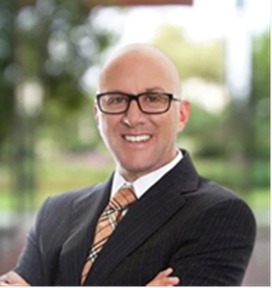 |
Jeff Joseph
President | American Immigration Lawyers Association (AILA) Jeff Joseph is President of the American Immigration Lawyers Association (AILA) and a graduate of the University of Denver College of Law. He has served in numerous national leadership roles including Chair of the AILA National Annual Conference, Chair of the Federal Litigation Steering Committee, and six years as a Trustee of the American Immigration Council. Named a Colorado Superlawyer from 2006 to 2019 and recognized by Best Lawyers in America, he has been qualified as an expert witness before state and federal courts on employment and criminal immigration matters. He is an adjunct professor of immigration law at the University of Denver Sturm College of Law and is bilingual in Spanish. |
 |
Julia Gelatt
Associate Director, U.S. Immigration Policy Program | Migration Policy Institute Julia Gelatt is Associate Director of the U.S. Immigration Policy Program at the Migration Policy Institute, where her work covers the legal immigration system, demographic trends, and implications of federal, state, and local immigration policy. She previously served as a Research Associate at the Urban Institute, examining state immigrant policies and barriers families face in accessing public benefits and education. Dr. Gelatt earned her PhD in sociology with a specialization in demography from Princeton University, focusing on immigration status and children’s health. She holds a bachelor’s degree in sociology and anthropology from Carleton College. |
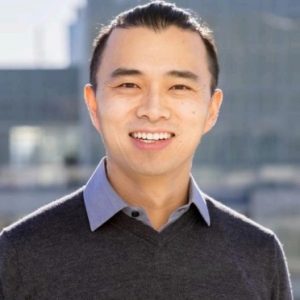 |
Xiao Wang
Co-founder and CEO | Boundless Immigration Xiao Wang is co-founder and CEO of Boundless Immigration, a technology platform helping immigrant families navigate the U.S. immigration process with confidence and clarity. Before Boundless, he held senior roles at Amazon Go, Providence Equity Partners, the New York City Department of Education, and McKinsey & Company. His personal experience as a child of immigrants drives his commitment to making legal immigration tools more accessible to everyday families. He holds a BA/MS from Stanford University and an MBA from Harvard Business School. |