
Balochistan’s Integrated Health System: From Fragmentation to Proactive Care — A Resolution
Composed by: Syed Sardar Muhammad Khondai
To strengthen healthcare delivery across Balochistan and address persistent challenges facing the provincial health sector, four distinguished physicians have presented a set of practical recommendations aimed at transforming the healthcare system from a fragmented model into a proactive, patient-centered framework.
The proposals were developed through consultations with:
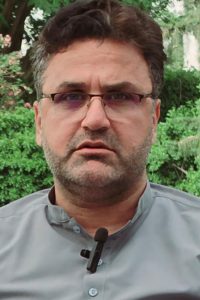
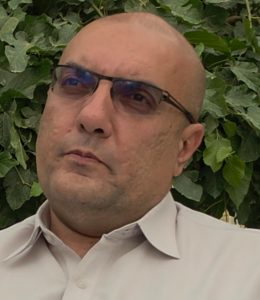
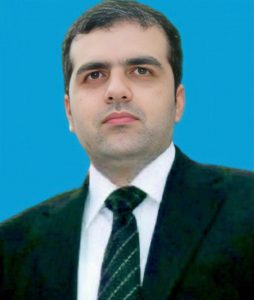
- Dr. Syedal Khan
- Dr. Shamsullah
- Dr. Naseer Ahmed Khan
- Dr. Feroz Khan Achakzai
Their collective vision offers a roadmap for improving emergency response, patient care, leadership development, and community participation within the healthcare system.
1. Institutionalizing a Structural Framework for Emergency Management
The first recommendation calls for the integration of the Integrated Disease Surveillance and Response (IDSR) system, Lady Health Worker (LHW) networks, Community Health Workers, and hospital emergency response mechanisms into a unified provincial structure.
The objective is to ensure that any health alert or emergency triggers coordinated action within 12 hours of notification.
According to Dr. Syedal Khan, strengthening institutional structures and emergency preparedness mechanisms is essential for improving healthcare outcomes and enhancing the resilience of the provincial health system.
2. Making Communication and Patient Ownership Standard Practice
The second proposal emphasizes direct engagement between healthcare leadership and patients.
Health managers, administrators, and clinical leaders should actively monitor and supervise patient treatment journeys, commonly referred to as Patient Pathways, ensuring that patients receive timely and coordinated care.
Dr. Shamsullah believes that improved communication and stronger patient ownership can significantly reduce treatment delays, improve patient compliance, and enhance healthcare outcomes without requiring additional infrastructure or costly equipment.

3. Developing Healthcare Leadership at the Local Level
The third recommendation focuses on strengthening leadership capacity within hospitals and healthcare institutions.
Hospital Chief Executive Officers and administrators should be equipped with expertise in:
- Clinical governance
- Data-driven decision-making
- Resource management
- Coordination with Community Health Directorates
- Negotiation and leadership skills
Dr. Naseer Ahmed Khan stresses that investing in local healthcare leadership is essential for ensuring the sustainability and future growth of the provincial healthcare system.
4. Building Trust Between Communities and Medical Professionals
The fourth pillar highlights the importance of community engagement and public trust.
Dr. Feroz Khan Achakzai argues that healthcare progress cannot be achieved through institutions alone. Instead, it requires meaningful collaboration among healthcare professionals, policymakers, community leaders, and citizens.
The proposal advocates for:
- Community health education programs
- Public awareness campaigns
- Strengthened dialogue between healthcare providers and communities
- Increased citizen participation in health initiatives
Such measures would help improve public confidence in healthcare services and promote healthier communities.
Measuring Success: Three Key Indicators
The experts recommend evaluating the effectiveness of the proposed healthcare model through three measurable indicators:
- Emergency Response Time
- Patient Pathway Completion
- Community Trust
These indicators provide a practical framework for monitoring progress and ensuring accountability across the healthcare system.
A Model for Pakistan and Beyond
The authors believe that if this integrated approach proves successful in Balochistan, it could serve as a model for healthcare reform throughout Pakistan and other Low- and Middle-Income Countries (LMICs) facing similar challenges.
By combining emergency preparedness, patient-centered care, leadership development, and community engagement, Balochistan has the opportunity to emerge as a leader in innovative healthcare reform.
The Call to Action
Balochistan stands at a pivotal moment. With strategic leadership, community participation, and institutional commitment, the province can transform its healthcare system into one that is responsive, accountable, and focused on the wellbeing of every citizen.
Balochistan is now ready for leadership.