

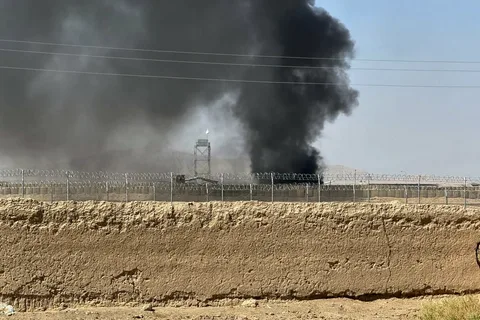

The latest Pakistan ceasefire news has drawn global attention after regional powers and international mediators pushed for calm amid rising tensions. Officials confirmed that a temporary truce was agreed upon following days of diplomatic negotiations, but uncertainty remains about when the ceasefire will end and whether both sides will fully honor the agreement.
The fragile ceasefire has become a major topic across social media and international political circles. Many observers are discussing the ceasefire start date, Pakistan role in ceasefire negotiations, and whether the current agreement can survive beyond the reported 2 week ceasefire end date.
Background
Regional tensions increased sharply in recent weeks after cross-border security concerns and military activity raised fears of wider conflict. International organizations and neighboring countries urged immediate de-escalation to prevent further instability in the region.
Pakistan has historically played a diplomatic role in regional peace efforts, especially in situations involving neighboring states and Middle Eastern conflicts. The latest Pakistan ceasefire Lebanon discussions also brought renewed focus on Islamabad’s foreign policy strategy and its attempts to support diplomatic solutions instead of military escalation.
The ceasefire start date was announced after emergency talks involving diplomats, military representatives, and international observers. Since then, analysts have been closely monitoring developments to determine whether the agreement represents a temporary pause or the beginning of a longer peace process.
Details of the Ceasefire Agreement
According to officials familiar with the negotiations, the ceasefire agreement includes a temporary suspension of military operations along sensitive areas. Humanitarian assistance and diplomatic communication channels are also expected to remain active during the truce period.
Reports circulating online about a 2 week ceasefire end date have generated widespread speculation. While some sources claim the agreement may expire within two weeks unless extended, authorities have not officially confirmed a final deadline. This uncertainty has fueled debates over when will the ceasefire end and whether new negotiations will be required.
The Pakistan ceasefire tweet shared by several political figures and analysts further intensified public discussion. Social media users reacted with mixed opinions, with some praising diplomatic efforts while others questioned the long-term effectiveness of the truce.
International media outlets described the agreement as a fragile ceasefire because tensions between involved parties remain high despite the temporary halt in hostilities. Experts warn that a single violation could quickly destabilize the situation again.
Pakistan Role in Ceasefire Efforts
Pakistan role in ceasefire negotiations has been highlighted by regional analysts and foreign policy experts. Officials in Islamabad reportedly maintained communication with multiple stakeholders during the diplomatic process and supported calls for restraint.
Foreign affairs observers believe Pakistan attempted to position itself as a mediator encouraging dialogue rather than confrontation. The government also emphasized the importance of protecting civilians and maintaining regional stability.
Several analysts noted that Pakistan ceasefire Lebanon discussions gained momentum because of Islamabad’s historical ties with Muslim-majority countries and its support for diplomatic engagement in Middle Eastern affairs.
Political commentators also suggested that Pakistan’s involvement may strengthen its image internationally as a country advocating peaceful conflict resolution through negotiation and cooperation.
International Reactions
Global leaders welcomed the ceasefire announcement and encouraged all parties to avoid actions that could reignite tensions. International organizations stressed the importance of continued dialogue and humanitarian access in affected areas.
The United Nations called for restraint and urged leaders to focus on protecting civilian lives. Diplomats from several countries stated that the current ceasefire must become a foundation for broader political negotiations instead of remaining a short-term arrangement.
Some international experts, however, remain cautious because similar agreements in the past collapsed shortly after implementation. This is why many observers continue asking when will the ceasefire end and whether the current agreement can survive political and military pressure.
Fragile Ceasefire Meaning Explained
Many readers searching online for fragile ceasefire meaning are trying to understand why officials are using that phrase repeatedly. A fragile ceasefire refers to a temporary peace agreement that remains unstable and vulnerable to collapse if tensions rise again.
In this case, experts describe the ceasefire as fragile because both sides continue to maintain military readiness despite suspending direct confrontation. Trust between the involved parties also remains limited, increasing the possibility of renewed conflict.
Diplomatic analysts say that fragile ceasefires often require international monitoring, continuous negotiations, and confidence-building measures to become permanent agreements.
Social Media and Public Reaction
The Pakistan ceasefire tweet posted by political commentators and journalists quickly gained traction online. Thousands of users discussed the possibility of a longer peace agreement and debated whether regional diplomacy could prevent another escalation.
Hashtags related to Pakistan ceasefire news began trending shortly after the announcement. Some users welcomed the truce as a positive step for peace, while others remained skeptical due to previous ceasefire violations in the region.
Social media experts noted that online discussions are now shaping public perception of diplomatic events more rapidly than traditional news coverage. This has increased pressure on governments to provide transparent updates regarding ceasefire negotiations.
Regional Impact
The ceasefire could have significant regional consequences if it remains in place for an extended period. Reduced military tensions may improve diplomatic relations, stabilize trade routes, and lower security concerns in nearby countries.
Economic experts believe continued peace could also support investor confidence and reduce pressure on regional markets. Humanitarian organizations are hoping the truce will allow aid delivery to affected communities and create opportunities for broader political talks.
However, analysts caution that the situation remains unpredictable. Any violation during the reported 2 week ceasefire end date period could undermine trust and reverse recent diplomatic progress.
Future Expectations
Diplomatic observers expect additional negotiations to take place before the current ceasefire period expires. International mediators are reportedly encouraging all sides to transform the temporary agreement into a longer-term framework for peace and stability.
Questions surrounding when will the ceasefire end are likely to continue until officials provide clearer timelines. Political analysts also expect more discussions regarding Pakistan role in ceasefire diplomacy and its future involvement in regional peace efforts.
For now, the ceasefire remains active, but experts warn that maintaining peace will require patience, cooperation, and continued diplomatic engagement from all parties involved.
FAQs
What is the ceasefire agreement with Pakistan?
The ceasefire agreement with Pakistan refers to a temporary diplomatic arrangement aimed at reducing military tensions and preventing further escalation in the region. The agreement generally includes suspension of hostile activities, restoration of communication channels, and commitments from involved parties to avoid actions that could restart conflict. Officials and international observers continue monitoring the situation closely because the agreement is currently considered fragile and subject to further negotiations.
Did Iran actually agree to a ceasefire?
Reports regarding Iran and ceasefire negotiations have varied depending on official statements and regional developments. Some diplomatic sources indicated support for temporary de-escalation measures, while others emphasized that negotiations remain ongoing. Analysts believe multiple regional stakeholders are involved in discussions aimed at avoiding broader instability, though complete long-term agreements may still require further talks and international mediation.
Did Pakistan break the ceasefire again?
At the moment, there is no officially confirmed evidence proving that Pakistan has broken the current ceasefire agreement. However, ceasefire violations are often disputed by involved parties, and investigations usually take time before conclusions are reached. International observers continue monitoring the situation carefully to determine whether all sides are fully complying with the terms of the truce.