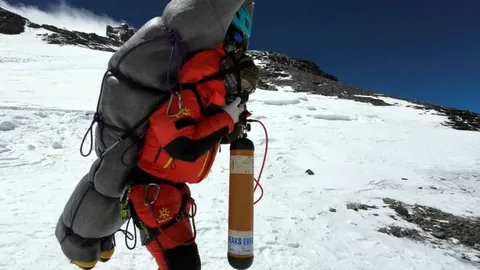
Dawa Sherpa Everest rescue has drawn global attention after reports of a dramatic survival and recovery operation on Mount Everest. The incident highlights the extreme risks faced by Sherpas and climbers in the world’s highest mountain zone. Early reports suggest that survival conditions were harsh and required urgent coordination by rescue teams operating in thin air and freezing temperatures.
The story has also resurfaced discussions about Hillary Dawa Sherpa, a name frequently associated with Everest climbing narratives and online discussions, including Reddit communities where climbers share survival experiences and expedition risks.
Background
Mount Everest remains one of the most dangerous climbing destinations in the world, with unpredictable weather and oxygen scarcity making survival extremely difficult. Sherpas like Dawa Sherpa play a critical role in guiding climbers, carrying equipment, and assisting in rescue operations.
In recent years, several Everest incidents have highlighted how even experienced climbers can face life-threatening situations. The Himalayan region has witnessed multiple rescue missions where Sherpas have risked their own lives to save others.
The mention of Hillary Dawa Sherpa has circulated in climbing forums and discussions, though official expedition records focus primarily on verified rescue operations and team members involved in Himalayan missions.
Details of the Incident
According to early reports, the Dawa Sherpa Everest rescue involved a high-altitude emergency situation where a climber or guide became stranded under severe weather conditions. Rescue teams were deployed rapidly to locate and stabilize the individual.
Conditions at extreme altitude made the operation difficult, with low oxygen levels and strong winds delaying progress. Despite these challenges, Sherpa rescue teams managed to reach the affected zone and carry out evacuation procedures.
The phrase “Sherpa found alive” has been widely circulated online, reflecting relief among mountaineering communities following the successful recovery. However, official confirmations emphasize the need for careful verification in such high-risk environments.
Quotes from Experts
Mountaineering experts have repeatedly stressed that Everest rescues are among the most dangerous operations in the world.
One Nepal-based climbing guide explained that:
“Every rescue above 8,000 meters is a battle against time, oxygen shortage, and unpredictable weather. Sherpas are often the real heroes behind survival stories.”
Another high-altitude expedition analyst noted:
“Even experienced climbers underestimate Everest. Survival depends not only on skill but also on timing and weather windows.”
Impact of the Incident
The Dawa Sherpa Everest rescue has reignited global discussion about safety standards on Mount Everest. Expedition companies are now under pressure to improve emergency response systems and ensure better acclimatization procedures.
In Nepal, where mountaineering is a major part of tourism revenue, such incidents highlight both the bravery of Sherpa communities and the risks they face. The story also raises awareness about the need for improved training, oxygen supply systems, and faster evacuation methods.
Globally, the incident has sparked renewed debate about whether Everest expeditions should face stricter regulations due to rising accidents and overcrowding in climbing seasons.
Conclusion
The Dawa Sherpa Everest rescue story remains a powerful reminder of the dangers hidden within extreme mountaineering. While survival stories bring hope, they also underline the risks faced by Sherpas and climbers on Mount Everest.
Future expeditions are expected to adopt stronger safety protocols, and rescue technology may play a greater role in minimizing fatalities in the world’s highest peak region.
FAQs
What is the true story behind the movie Everest?
The movie Everest is based on real-life events from the 1996 Mount Everest disaster, where multiple climbers were caught in a deadly storm during their descent. It highlights survival struggles, poor weather forecasting, and the extreme risks of high-altitude climbing. While dramatized for cinema, it reflects real accounts from survivors and rescue teams.
Did they find Marco Siffredi’s body?
Marco Siffredi, a French snowboarder known for attempting daring descents of Everest, disappeared in 2002 during his second expedition. Despite search efforts, his body has never been officially recovered, and his disappearance remains one of Everest’s enduring mysteries.
How old is Hillary Dawa Sherpa?
There is no officially verified public record confirming detailed personal information such as exact age for “Hillary Dawa Sherpa” in mainstream mountaineering databases. The name appears more commonly in online discussions and references rather than formal expedition records, so age details remain unconfirmed.