
Somalia is once again facing a period of political uncertainty as disagreements between government institutions, opposition groups, and regional leaders intensify. The latest developments in Mogadishu have drawn national and international attention, raising questions about the country’s stability, security, and democratic future.
The ongoing dispute comes at a critical time for Somalia, which continues to battle security threats, economic challenges, and the long-term task of rebuilding state institutions after decades of conflict. Recent events have placed Somalia government tensions at the center of national debate and renewed concerns about political fragmentation.
Background
Somalia has experienced political instability for much of its modern history. Following the collapse of the central government in 1991, the country endured years of civil conflict, humanitarian crises, and security challenges. While progress has been made in rebuilding institutions, political disagreements remain common.
The federal system established in recent years was designed to balance power between Mogadishu and regional states. However, disputes over authority, constitutional reforms, elections, and resource management have repeatedly created friction between national and regional leaders.
Many political analysts note that Somalia’s progress has often been slowed by disagreements among political stakeholders. These disputes can affect governance, security cooperation, and economic development across the country.
Political Tensions Increase in Mogadishu
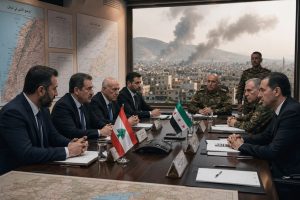
Recent developments in Mogadishu have highlighted growing divisions among Somalia’s political leadership. Opposition figures have expressed concerns regarding government policies and decision-making processes, while officials insist that current actions are necessary to maintain stability and continue reforms.
Political gatherings and public debates have become more frequent in the capital. Several opposition leaders have called for greater consultation on key national issues, including constitutional amendments and governance reforms.
Government representatives argue that reforms are essential for strengthening institutions and preparing Somalia for future political milestones. Officials maintain that national unity remains a priority despite political disagreements.
Observers say the situation reflects broader challenges facing Somalia’s democratic transition. While political competition is a normal part of governance, prolonged disputes can create uncertainty and distract from pressing national priorities.
Security Concerns Add Pressure
The political situation is unfolding against a backdrop of ongoing security concerns. Somalia continues to confront threats from armed groups that seek to undermine government authority and destabilize the country.
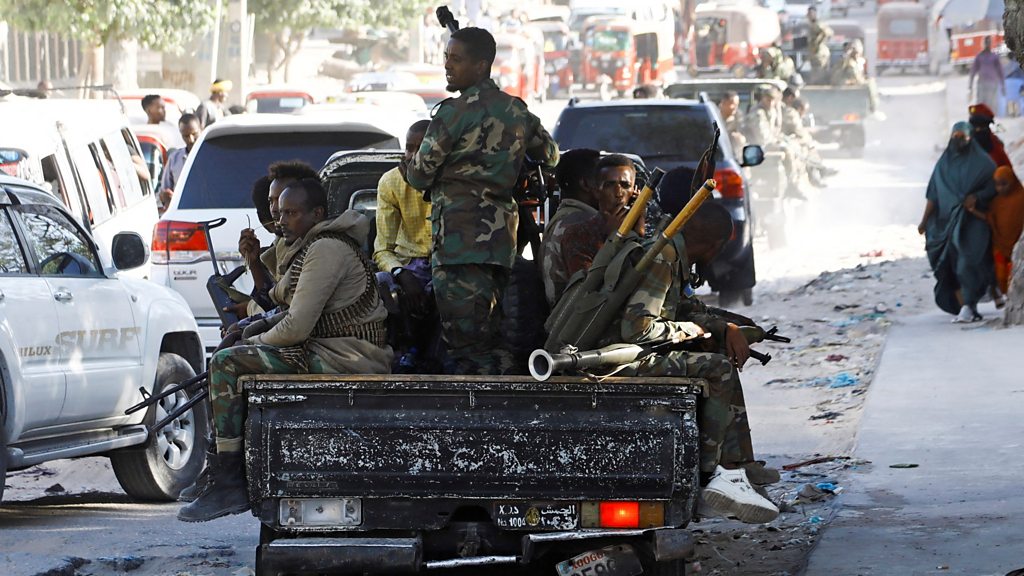
Security agencies remain active in Mogadishu and other regions, conducting operations aimed at protecting civilians and critical infrastructure. Authorities have repeatedly emphasized the importance of maintaining security while political discussions continue.
Experts warn that political divisions could complicate efforts to address security threats if key stakeholders fail to cooperate. National unity is widely viewed as essential for sustaining progress against extremist organizations and improving public safety.
Residents in Mogadishu have expressed concerns about how political tensions might affect daily life. Businesses, civil society organizations, and community leaders are calling for dialogue and peaceful solutions to prevent further instability.
Economic Challenges Remain
Somalia’s economy has shown signs of resilience in recent years, but significant challenges remain. Political uncertainty can affect investor confidence, development projects, and international partnerships.
Government officials have stressed that economic reforms will continue despite political disagreements. Development programs focused on infrastructure, education, healthcare, and employment remain key priorities.
International partners closely monitor Somalia’s political environment because stability is considered crucial for long-term economic growth. Foreign investment and humanitarian assistance often depend on confidence in governance and security conditions.
Economic experts believe that resolving political disputes through dialogue would help create a more predictable environment for business and development initiatives.
Reactions From Political Leaders
Political leaders across Somalia have offered differing views on the current situation. Some opposition figures argue that broader consultations are needed to ensure national consensus on major decisions.
Government officials, meanwhile, have defended their approach and emphasized the need to continue implementing reforms. They argue that delaying important decisions could hinder progress toward stronger institutions and improved governance.
Regional leaders have also weighed in, calling for cooperation and constructive engagement among all stakeholders. Several have urged political actors to prioritize national interests over political rivalries.
Diplomatic observers note that political disagreements are not unusual in democratic systems. However, they stress that peaceful dialogue and respect for constitutional processes are essential for maintaining public trust.
International Attention on Somalia
The latest Mogadishu news has attracted attention from regional and international observers. Countries across the Horn of Africa are closely watching developments due to Somalia’s strategic importance and its role in regional security.
International organizations have consistently encouraged Somali leaders to resolve disputes through dialogue and democratic processes. Many partners emphasize that political stability is vital for maintaining development gains achieved in recent years.
Foreign policy analysts say Somalia’s future remains important not only for its citizens but also for regional trade, migration management, and security cooperation.
As a result, developments in Somalia continue to feature prominently in international discussions about governance and stability in East Africa.
Impact on the Region
Political uncertainty in Somalia can have effects beyond its borders. Neighboring countries closely monitor developments because instability can influence regional security and economic cooperation.
The Horn of Africa remains one of the world’s most strategically important regions, connecting Africa, the Middle East, and international shipping routes. Stability in Somalia contributes to broader regional security efforts.
Regional organizations have repeatedly emphasized the importance of dialogue and peaceful political engagement. Continued cooperation among Somali leaders is widely viewed as essential for maintaining positive momentum.
Experts believe that a stable Somalia could play an increasingly important role in regional trade, infrastructure development, and diplomatic cooperation.
What Comes Next?
The coming weeks are expected to be critical for Somalia’s political future. Discussions between government officials, opposition groups, and regional stakeholders are likely to continue as efforts are made to reduce tensions.
Political observers hope that negotiations and dialogue will help address concerns raised by different parties. Successful engagement could strengthen democratic institutions and improve confidence among citizens.
While challenges remain, many Somalis continue to support peaceful political processes and long-term reforms. The country’s future will largely depend on the ability of leaders to work together despite their differences.
As Somalia navigates this latest political test, the focus remains on preserving stability, promoting democratic governance, and addressing the needs of citizens across the nation.
Conclusion
Somalia government tensions have once again highlighted the complex political realities facing the country. Although disagreements among political actors continue, there is broad recognition that dialogue remains the most effective path forward.
The situation in Mogadishu serves as a reminder that Somalia’s democratic journey remains a work in progress. The decisions made by political leaders in the coming months could significantly influence the country’s future direction.
For now, citizens, regional partners, and international observers remain focused on whether Somalia can successfully manage political differences while continuing its efforts toward stability, development, and national unity.
FAQs
What is the main problem in Somalia?
The main challenge facing Somalia is the combination of political instability, security threats, economic difficulties, and weak state institutions. Although the country has made significant progress over the past decade, disputes between political actors and ongoing security concerns continue to affect governance and development efforts. Addressing these issues requires cooperation among government institutions, regional administrations, and civil society.
What is the situation in Somalia now?
Somalia is experiencing heightened political tensions alongside continuing security and economic challenges. Political debates over governance, reforms, and power-sharing have intensified in recent months. At the same time, authorities continue efforts to improve security, strengthen institutions, and support economic growth. The overall situation remains dynamic and is being closely watched both domestically and internationally.
What happened to the Somalia government?
The Somalia government has not collapsed, but it is facing increased political pressure and disagreements with opposition groups and some regional stakeholders. These disputes involve governance issues, reform agendas, and political decision-making processes. Despite the tensions, government institutions continue to function, and discussions are ongoing to address differences through political dialogue and constitutional mechanisms.