Pakistan Is Not a Poor Country: A Misconception That Needs Rethinking
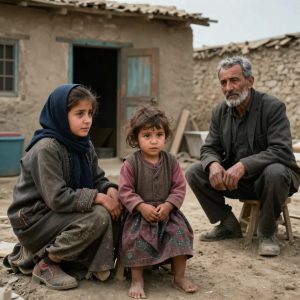
Pakistan is often described as a poor country struggling with inflation, unemployment, and economic instability. Statistics indeed show that millions of Pakistanis live below the poverty line and face daily challenges in meeting basic needs. Yet another reality exists alongside this picture—one that raises an important question: Is Pakistan truly a poor country, or is wealth simply distributed unevenly?
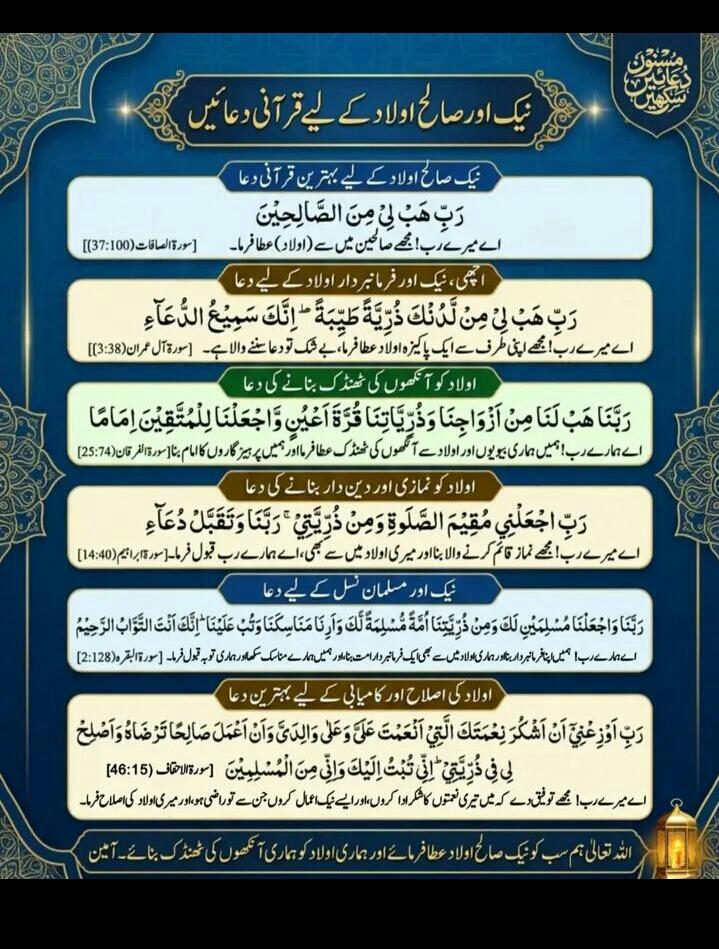
The Holy Quran declares in Surah Al-Imran that Hajj is obligatory only for those who possess the financial and physical means to undertake the journey. The concept of ability is central to the obligation of Hajj. A person must be capable of bearing the expenses of the pilgrimage while continuing to fulfill the responsibilities owed to family members and dependents.
Pakistan’s economic indicators paint a troubling picture. According to official estimates, nearly one-third of the population lives below the poverty line, while some international and independent assessments place the figure significantly higher. Stories of families struggling to afford food, healthcare, education, and marriage expenses for their children continue to emerge from across the country.
At the same time, however, Pakistan remains one of the world’s largest contributors of pilgrims for Hajj and Umrah. This year alone, approximately 179,000 Pakistanis performed Hajj. With an average cost of around Rs1.2 million per pilgrim, the total expenditure on Hajj is estimated at more than Rs215 billion. When private arrangements and additional expenses are included, the figure rises even further.
Similarly, Eid-ul-Adha generates enormous economic activity. Pakistanis collectively spend hundreds of billions of rupees annually on sacrificial animals. In many cases, animals worth hundreds of thousands or even millions of rupees are purchased. Estimates suggest that the overall Eid economy may exceed one trillion rupees.
These figures reveal a significant reality: substantial financial resources exist within Pakistani society. The issue may not be the absence of wealth but rather how that wealth is utilized and distributed.
Islam places tremendous emphasis on supporting the poor, orphans, widows, and those in need. Numerous Quranic verses encourage believers to spend their wealth on helping vulnerable members of society. Many scholars have argued that after fulfilling obligatory religious duties, supporting needy families, arranging marriages for orphan girls, funding education, and assisting struggling households can often bring greater social benefit than repeatedly performing voluntary pilgrimages.
The debate, therefore, is not about discouraging Hajj or Umrah. Rather, it is about encouraging a balance between personal acts of worship and social responsibility. If greater resources were directed toward poverty alleviation, education, healthcare, and community welfare, the lives of millions could be transformed.
Pakistan possesses immense human and financial potential. The challenge lies in channeling that potential toward reducing inequality and creating opportunities for those left behind. Before declaring Pakistan a poor country, it may be worth asking a more important question: Is Pakistan truly poor, or is its wealth simply concentrated in ways that prevent many citizens from benefiting from it?
The answer may help shape a more compassionate and equitable future for the nation.