The Iran and Israel war live today situation is shifting between fragile diplomacy and the threat of renewed military action. Iran confirmed it is reviewing the Trump administration’s latest proposal for ending the war, as the US president said he was prepared to wait a few more days to get “the right answers” from Tehran. With peace talks ongoing but stalled, the Iran US war 2026 remains one of the most dangerous conflicts the world has seen in decades.
Background: How the Iran US War 2026 Began
The US Israel war on Iran did not emerge overnight. Tensions between Washington and Tehran stretch back decades, rooted in the 1979 Islamic Revolution and the hostage crisis that followed. But the immediate trigger for the Iran US war 2026 came from the collapse of nuclear diplomacy.
The conflict followed the failure of indirect negotiations in February 2026 on a new agreement to curtail Iran’s nuclear programme. The mediating Omani foreign minister had stated significant progress, with Iran willing to make concessions, but President Trump said he was “not thrilled” with the talks.
On February 28, 2026, the United States and Israel launched a conflict against Iran targeting military and government sites, including the assassination of Supreme Leader Ali Khamenei, triggering retaliatory missiles and thousands of drones from Iran across the region. The joint operation was code-named Operation Epic Fury and marked the formal start of what analysts now track as the Iran Israel war today.
Details: Where the Iran Israel War Today Stands
The Military Phase Is Over But Peace Remains Elusive
Secretary of State Marco Rubio announced that “Operation Epic Fury” the two-month-long US military operation had formally concluded. However, the Iran and Israel war live today is far from resolved. Armed drone attacks, diplomatic back-and-forth, and unresolved nuclear demands continue to keep the region on edge
US casualties in the Iran war stand at 15 soldiers killed and 538 military personnel wounded, with over 17 US sites damaged. On the Israeli side, 18 soldiers and one contractor were killed, 28 civilians died, and economic damage reached approximately $50 billion as of April 30, 2026.
Strait of Hormuz: The Economic Flashpoint
One of the most consequential consequences of the Iran attack on Israel today crisis is what happened to global energy markets. Iran closed the Strait of Hormuz, a major global trade route for goods including fuel and gas, as part of its counter-actions. This single move sent oil prices skyrocketing worldwide.
International Brent crude futures traded 1.9% higher at $106.92 per barrel, with US West Texas Intermediate futures trading up 2.4% at $100.59 per barrel as markets reacted nervously to each new development in the Iran US war 2026.
Drone Attacks Threaten Gulf Stability
Even as diplomacy inches forward, Iran’s regional activities continue to alarm Gulf states. The United Arab Emirates said it intercepted two drones coming from Iran. Qatar reported a drone attack that hit a cargo ship in its waters, and Kuwait said it repelled unspecified “hostile drones.” These incidents have raised fears of full military re-escalation, making the Iran Israel war today situation deeply unpredictable.
Peace Talks: Can the Iran War End Soon?
Pakistan as Mediator
Pakistan hosted the only direct negotiations between US and Iranian officials since the war began on February 28. On April 8, a temporary ceasefire was reached through Pakistani mediation. Since then, armed hostilities have largely subsided, but a durable peace agreement remains elusive, with both the US and Iran dissatisfied with each other’s proposed terms.
Iran’s Foreign Ministry spokesperson confirmed that Pakistan continues to mediate exchanges between Tehran and Washington, adding that several rounds of communication had taken place based on Iran’s original 14-point framework. Pakistan’s Army Chief Asim Munir was expected to travel to Tehran as part of ongoing mediation efforts.
The Key Sticking Point: Nuclear Enrichment
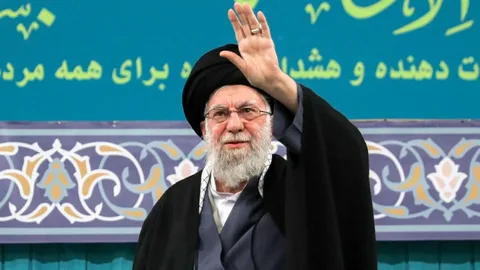
The biggest obstacle blocking a final peace deal in the Iran US war 2026 is Iran’s nuclear programme. A major point of contention is Iran’s stockpile of enriched uranium. Washington has urged Tehran to give away its enriched uranium, a demand Tehran has firmly resisted.Iranian Supreme Leader Mojtaba Khamenei defended the technologies as “national capital,” while US Ambassador to the UN Mike Waltz stated that “Trump has been clear they will never have a nuclear weapon and they cannot hold the world’s economies hostage.”
In its current form, a proposed memorandum of understanding would declare an end to the war and start a 30-day period of negotiations on a detailed agreement to open the Strait of Hormuz, limit Iran’s nuclear programme, and lift US sanctions.
Quotes: What Officials Are Saying
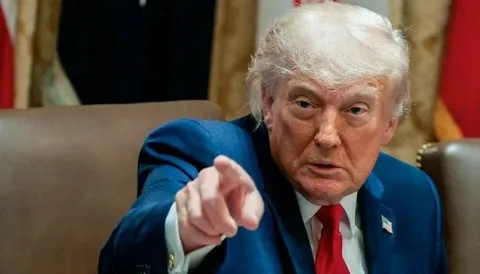
US President Donald Trump told reporters that peace negotiations with Iran are “borderline” between talks and renewed strikes, warning: “If we don’t get the right answers, it goes very quickly. We’re all ready to go.”
Iran’s Foreign Ministry spokesperson Esmaeil Baghaei said the Islamic Republic had received the American side’s views “and are reviewing them,” signalling that Tehran is not yet ready to accept or reject Washington’s latest framework.
Trump separately said he may suspend the federal gas tax amid increasing fuel prices caused by the Iran war, arguing that once the conflict ends, prices will drop “like a rock.”
Who Is Winning the Iran War?
The question of who is winning the Iran war has no simple answer. Militarily, the US and Israel achieved significant objectives dismantling much of Iran’s nuclear infrastructure and eliminating its supreme leader. But strategically, the picture is murkier.
Iran’s counter-strikes on Arab Gulf states may leave it further isolated regionally, and its military infrastructure and defences have suffered extensive damage. However, Iran’s closure of the Strait of Hormuz inflicted enormous economic pain on the United States, Europe, and global markets a leverage point Tehran is reluctant to surrender without meaningful concessions.
The Trump administration appears to be publicly distancing itself from the war, which is broadly unpopular with Americans. That political pressure back home is pushing Washington toward a deal, even if the terms remain contested.
Global and Regional Impact
The Iran attack on Israel today conflict has reshaped the entire Middle East. The attacks have left enormous damage, thousands of people dead in Iran, Lebanon, Israel, and the Gulf Arab states, and millions of people displaced across the region.
Many of Iran’s regional allies have been significantly weakened, primarily by Israeli military action, and Iran may find itself increasingly isolated diplomatically and economically. Meanwhile, European economies have felt the energy shock from disrupted Strait of Hormuz traffic, adding to inflationary pressures already straining households.
The Iran Israel war today has also exposed the limits of international institutions. The UN Security Council has been unable to impose a binding resolution, and smaller nations like Pakistan have stepped into the diplomatic vacuum to mediate a sign of how fractured global governance has become.
Conclusion: Iran War When Will It End?
The question on everyone’s mind Iran war when will it end depends on whether both sides can bridge a significant gap on nuclear enrichment. On Monday, Iran submitted a revised 14-point peace plan to end the war, signalling some willingness to negotiate, but core disagreements remain unresolved.
The White House believes it is getting close to an agreement on a one-page memorandum of understanding to end the war and set a framework for more detailed nuclear negotiations the closest the parties have been to an agreement since the war began.
Whether that breakthrough arrives in days or weeks remains uncertain. What is clear is that the world is watching the Iran and Israel war live today with profound concern and that the next few days of diplomacy may determine whether the region moves toward peace or slides back into open conflict.
FAQs
Who is stronger, Iran or Israel?
In conventional military terms, Israel holds significant advantages through its advanced air force, precision-strike capabilities, nuclear arsenal, and intelligence services like Mossad. The US-Israel joint operation in February 2026 demonstrated Israel’s ability to conduct deep, complex strikes into Iranian territory. However, Iran possesses the largest ballistic missile stockpile in the Middle East, a network of regional proxy forces, and the strategic leverage of the Strait of Hormuz through which roughly 20% of global oil supply passes. Iran’s strength lies in asymmetric warfare and economic disruption rather than direct military confrontation. Neither side is strictly “stronger” each poses existential risks to the other in different domains.
Why is the US against Iran?
US-Iran hostility traces back to the 1979 Islamic Revolution, when Iranian students seized the US Embassy in Tehran and held 52 Americans hostage for 444 days. Since then, the US has opposed Iran over its nuclear programme, its support for militant groups across the Middle East, its ballistic missile development, and its regional ambitions. In 2026, the immediate trigger was Iran’s refusal to reach a satisfactory nuclear deal, combined with longstanding US concern that a nuclear-armed Iran would fundamentally destabilize the Middle East and threaten Israel’s security.
How many US killed in the Iran war?
According to available data from the 2026 Iran war, 15 US soldiers have been killed and 538 military personnel have been wounded as of April 30, 2026. Additionally, more than 17 US military sites were damaged during Iranian retaliatory strikes. These figures represent the direct combat toll from the US side of the US-Israel joint operations against Iran that began on February 28, 2026, and concluded on May 5, 2026 under Operation Epic Fury.