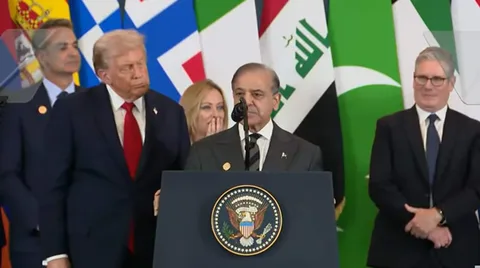
The US Iran war has entered a critical diplomatic phase, with Pakistan actively brokering a peace deal between Washington and Tehran as of May 22, 2026. Iran’s ISNA news agency confirmed that mediated discussions between the two sides are ongoing, with both exchanging messages and draft texts in an effort to establish a formal framework for ending the conflict. Meanwhile, Trump’s latest news on Iran war indicates the US president is willing to allow more time for Tehran to respond before considering any resumption of military strikes.
Background: How the Iran US War Began
The Iran US war did not erupt overnight. It was the culmination of years of failed diplomacy, collapsing nuclear agreements, and escalating regional tensions. Negotiations between the US and Iran began as far back as April 2025, following a letter from President Donald Trump to Iranian Supreme Leader Ali Khamenei, with multiple rounds of talks held in Muscat, Rome, Geneva, and Islamabad.
Those diplomatic efforts ultimately broke down. On February 28, 2026, the United States and Israel launched large-scale strikes on Iran, marking the formal start of what became known as the 2026 Iran war. The conflict referred to in US military planning as Operation Epic Fury has since reshaped the entire Middle East geopolitical landscape.
The unrest in the Strait of Hormuz, a vital waterway through which roughly a fifth of global oil supply passes, has severely disrupted global energy markets, with Brent crude rising sharply amid a growing global energy crisis.
Details: Where the Iran US War Stands Today
Ceasefire, Violations, and the Blockade
On April 8, 2026, the United States and Iran agreed to a two-week ceasefire mediated by Pakistan. However, since its declaration, the ceasefire has been violated by both sides on multiple occasions.
The US military has redirected 94 ships under its naval blockade of Iranian ports and vessels, with US forces also disabling four additional vessels to prevent the flow of commerce into and out of Iranian ports. This naval pressure remains one of Washington’s key leverage tools in the ongoing Iran US war live standoff.
Pakistan’s Critical Mediation Role
Al Jazeera’s correspondent in Tehran reported that Pakistani officials are engaged in “intense mediation activity,” while a senior Iranian official said a deal was close — though a second Iranian source cautioned it was too early to confirm whether a final agreement could be reached.
Pakistan’s Army Chief General Asim Munir traveled to Tehran carrying a new message from the US side, as part of Islamabad’s sustained efforts to broker a peace deal to end the US-Israeli war with Iran. Pakistan has emerged as the most consequential neutral party in these negotiations.
Iran Reviews the Latest US Proposal
On the Iran warning today front, Tehran has not issued fresh military threats but has taken a cautious diplomatic posture. Iran’s Foreign Ministry spokesperson Esmaeil Baghaei confirmed that the Islamic Republic had received the American side’s views and is reviewing them, with Pakistan continuing to mediate exchanges between Tehran and Washington based on Iran’s original 14-point framework.
Iran’s 14-point framework called for a definitive end to the war on all fronts including Lebanon, the release of frozen Iranian financial assets, and an end to what Tehran described as “piracy” against Iranian commercial vessels.
Drone Attacks and Regional Warnings
The Iran attack on Israel today update picture remains tense beyond the main battlefield. The United Arab Emirates said it intercepted two drones coming from Iran, Qatar reported a drone attack that hit a cargo ship in its waters, and Kuwait said it repelled unspecified “hostile drones.” These incidents have raised serious concerns that the broader Gulf region could be pulled further into the conflict if diplomacy fails.
Quotes: What Key Figures Are Saying
On the question of who is winning the Iran war, US officials point to military gains while Iran insists it has not been broken politically or militarily.
Former US Defense Secretary Robert Gates assessed that despite the war, Iran’s internal controls “seem very much intact,” making a civilian uprising unlikely in the near future.
US Ambassador to the United Nations Mike Waltz stated that “Trump has been clear they will never have a nuclear weapon and they cannot hold the world’s economies hostage,” while notably not ruling out the possibility of the US resuming full hostilities if diplomacy collapses.
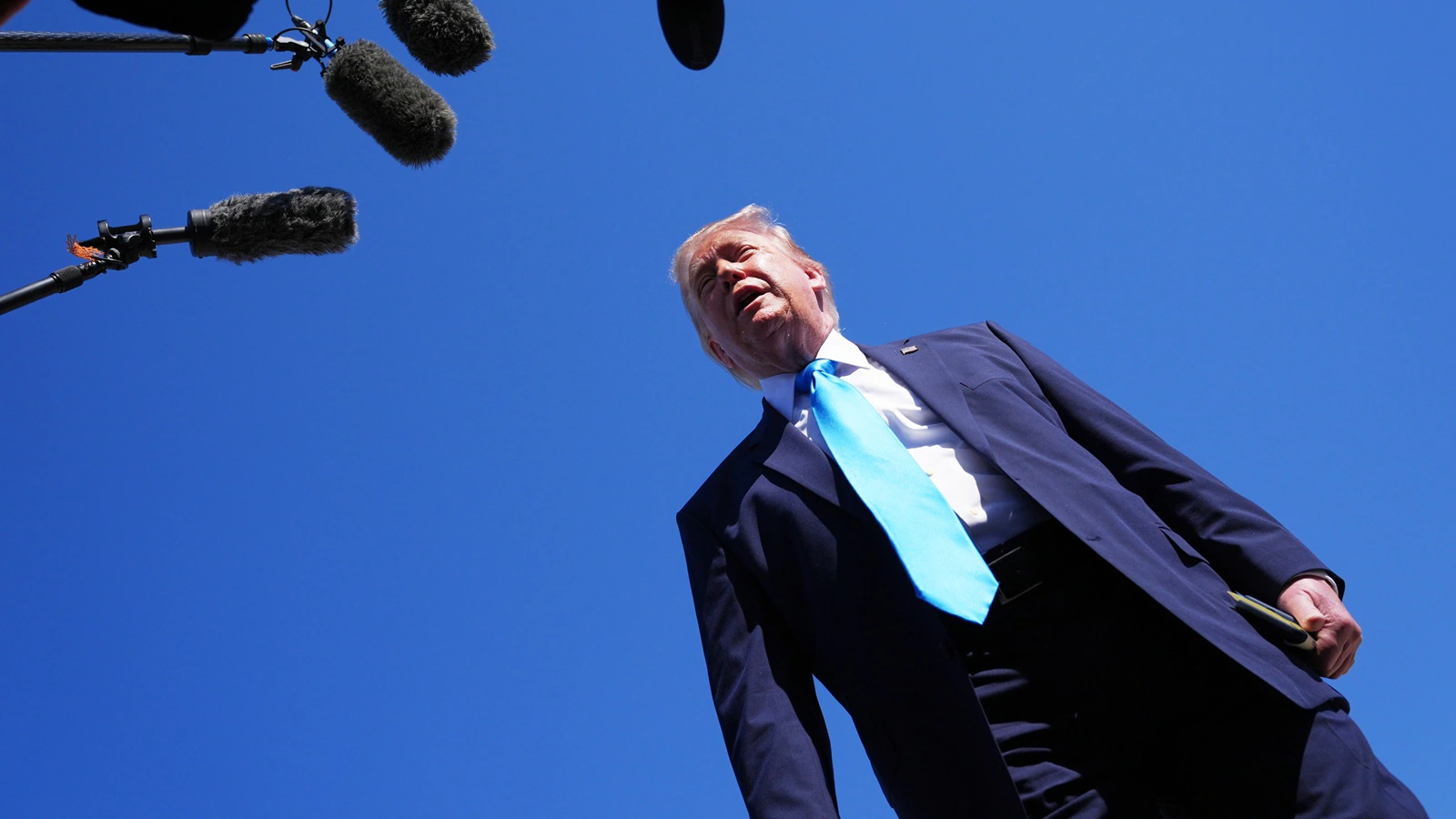
Trump, on Trump latest news on Iran war, said he was prepared to wait “a few more days” to receive the right answers from Tehran, signalling a brief but time-limited diplomatic window.
A Pakistani source quoted by Reuters said: “We don’t have much time,” noting that both sides in the war “keep changing their goalposts.”
Impact: Global and Regional Consequences
The Iran US war live situation carries consequences far beyond the two countries directly involved. On the question of Israel attacks Iran today live, Israeli strikes on Lebanese territory have continued alongside the broader campaign, complicating any regional peace framework.
Oil prices have been highly sensitive to every development in the war, with Brent crude trading around $106 per barrel and US West Texas Intermediate futures rising as markets closely monitor the outcome of US-Iran talks. Every diplomatic signal positive or negative moves global energy markets instantly.
A new opinion poll in the United States shows that 60 percent of Americans now oppose President Donald Trump’s war on Iran, adding significant domestic political pressure on the White House to find a negotiated exit from the conflict.
On the nuclear front, Iran has been firm that it will protect its missile and nuclear capabilities, with Iranian Supreme Leader Mojtaba Khamenei defending those technologies as “national capital.” This remains the single most contentious sticking point in any potential peace framework.
Conclusion: When Will the Iran War End?
The question of Iran war when will it end has no clear answer yet, but the diplomatic signals as of May 22, 2026 are more hopeful than at any previous point. Both sides are exchanging draft texts, a trusted mediator in Pakistan is actively shuttling between capitals, and Trump has signalled he prefers a deal over renewed military escalation for now.
The US had reportedly offered Iran a framework deal that would end fighting and lead to a 30-day period of negotiations on a comprehensive agreement focused on Iran’s nuclear program. Whether Tehran accepts the terms, modifies them, or rejects them entirely will determine if the Iran US war enters a new phase of peace or a dangerous new escalation.
The world is watching closely. A deal would ease global energy prices, reduce humanitarian suffering across the region, and mark one of the most consequential diplomatic breakthroughs of the decade. Failure, analysts warn, risks a far more destructive second phase of war with no clear endgame.
FAQs
Is there a war with Iran right now?
Yes, the 2026 Iran war launched on February 28, 2026 is an active military conflict between the United States, Israel, and Iran. As of May 2026, a fragile ceasefire brokered by Pakistan is partially in place, but military pressure continues through a US naval blockade of Iranian ports. Peace negotiations are ongoing, with Pakistan mediating exchanges between Washington and Tehran. A final peace deal has not yet been reached.
Who is stronger, Iran or Israel?
Israel holds significant conventional military advantages, including advanced air power, nuclear capability, and full US military backing. Iran’s strength lies in its missile arsenal, regional proxy networks, strategic geography particularly its influence over the Strait of Hormuz and its large population and landmass that make it very difficult to fully subdue militarily. Most defence analysts describe the war as one where neither side can achieve a decisive total victory, which is precisely why both are now engaged in diplomatic negotiations.
Why is Iran attacking the UAE?
Iran has not formally declared war on the UAE, but suspected Iranian drone attacks have targeted Gulf states including the UAE, Qatar, and Kuwait during the 2026 Iran war. Analysts believe these strikes are part of Iran’s strategy to pressure Gulf states that host US military bases or are seen as supporting the US-Israeli war effort. Iran views the Gulf monarchies as complicit in the economic blockade and the broader military campaign, and the drone attacks serve as a warning not to allow their territory to be used as launchpads against Iranian interests.