
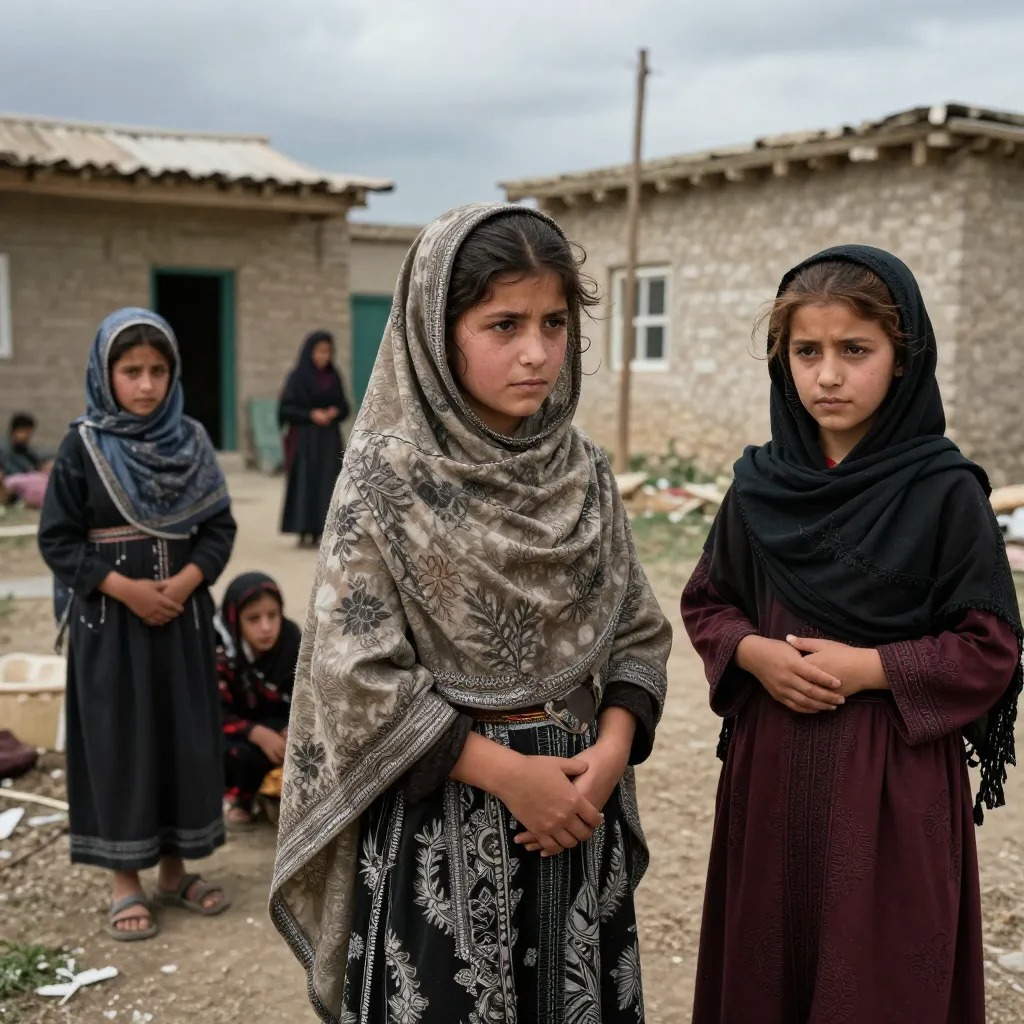

A controversial new law introduced under Taliban rule in Afghanistan has sparked widespread international criticism after rights groups warned that it could increase the risk of child marriages and reduce legal protections for women and girls.
According to legal analysts and humanitarian organizations, the law changes certain family and marriage regulations that critics say may create loopholes allowing underage marriages to take place more easily. Human rights advocates argue the development could worsen conditions for young girls already facing major restrictions on education and personal freedoms.
The Taliban administration has defended its legal policies by stating that they are based on its interpretation of Islamic and cultural principles. However, international organizations and women’s rights groups have expressed concern that the new measures could further isolate Afghanistan globally and deepen humanitarian challenges.
Afghanistan has faced growing international scrutiny since the Taliban returned to power, particularly over policies affecting women’s education, employment, and social participation. Several countries and aid agencies have repeatedly called for stronger protections for women and children.
Child marriage has remained a sensitive issue in Afghanistan for years, especially in rural and economically vulnerable communities where poverty and instability often contribute to early marriages. Aid organizations warn that worsening economic conditions may increase the pressure on families facing severe financial hardship.
Human rights experts say early marriage can have serious long-term consequences for girls, including health risks, reduced educational opportunities, and increased vulnerability to domestic abuse.
The latest controversy has also intensified debate within the international community about how to engage diplomatically with Afghanistan while continuing to push for human rights protections.
Meanwhile, humanitarian groups continue urging global leaders to support Afghan civilians through education, healthcare, and child protection programs despite ongoing political tensions.
The situation remains under close international observation as concerns grow over the future rights and safety of women and children in Afghanistan.