

Pakistan is undergoing a significant economic transformation. The federal government, the State Bank of Pakistan (SBP), and provincial administrations have collectively launched multiple loan schemes, investment initiatives, and business incentives to empower youth, women, and small business owners across the country.
From the PM Youth Business & Agriculture Loan Scheme to the State Bank of Pakistan Loan Scheme 2026, these programs are reshaping how Pakistanis access capital. Whether you are a first-time entrepreneur or a seasoned business owner, understanding these schemes can be the first step toward financial independence.
Business Incentives Pakistan The Historical Foundation
The roots of Pakistan’s current incentive framework trace back to policy decisions made around 2022 and earlier. A fresh review of export promotion schemes and incentive options is currently underway as the government prepares its upcoming federal budget, with a special meeting held at the Economic Affairs Division and international experts being consulted for policy input.
These efforts signal a broader government push to align business incentives with export growth, startup development, and SME financing. Economic Affairs Minister Ahad Cheema has been assigned to lead this review, reflecting how seriously the government is treating economic reform in 2026.
The business incentives framework in Pakistan 2022 laid the groundwork by encouraging foreign investment, providing tax relief to exporters, and creating pathways for startups to register and operate formally. Those reforms continue to shape today’s government investment schemes in Pakistan.
State Bank of Pakistan Loan Scheme 2026 Everything You Need to Know
The State Bank of Pakistan Loan Scheme 2026 is a government-backed financing initiative providing affordable, low-markup loans to individuals, entrepreneurs, and small businesses. In collaboration with commercial and Islamic banks, the SBP has reintroduced this scheme to promote financial inclusion, economic growth, and self-employment especially for youth, women, and low-to-middle-income earners.
Eligible applicants can access loans starting from Rs. 500,000 up to Rs. 10 million at subsidized markup rates, with simple documentation and flexible repayment options of up to 10 years.
This makes the State Bank of Pakistan Loan Scheme 2026 one of the most accessible financing tools currently available to Pakistani citizens. Special priority is given to youth, freelancers, farmers, and women entrepreneurs who traditionally face barriers when seeking bank financing.
How to Apply for State Bank of Pakistan Loan Step-by-Step
If you want to apply for the State Bank of Pakistan loan, the process has been made relatively straightforward. Applicants can visit any participating bank or microfinance institution, fill out the application form, and submit it along with their CNIC, business details, and income proof. Online applications can also be submitted through official loan portals.
Pakistani citizens aged 21 to 45 years with a valid CNIC and a business plan are eligible. For IT or e-commerce businesses, the minimum age has been set at 18 years, provided the applicant holds relevant skills or certification.
The State Bank of Pakistan loan apply process is designed to be inclusive. Whether you are based in Punjab, Sindh, Khyber Pakhtunkhwa, Balochistan, or Gilgit Baltistan, these schemes are available nationwide.
State Bank of Pakistan Loan Scheme for Women Empowering Female Entrepreneurs
One of the most impactful components of Pakistan’s financial inclusion agenda is the dedicated focus on women. The State Bank of Pakistan previously launched the Refinance and Credit Guarantee Scheme for Women Entrepreneurs in Underserved Areas, featuring a 0% refinance rate and 60% risk coverage for small businesses run by women entrepreneurs described as the first scheme of its kind in Pakistan’s history.
The maximum financing amount under that scheme was Rs. 1.5 million, with a repayment period of up to five years and a grace period of six months. The end-user markup rate was fixed at 5% for the entire financing period.
Today, the State Bank of Pakistan loan scheme for women continues in updated form. A dedicated 25% women loan allocation has been built into the PM Youth Loan Scheme 2026, ensuring women’s empowerment is part of the program’s core design rather than an afterthought.
Small Business Loan Scheme Government of Pakistan PM Youth Programme
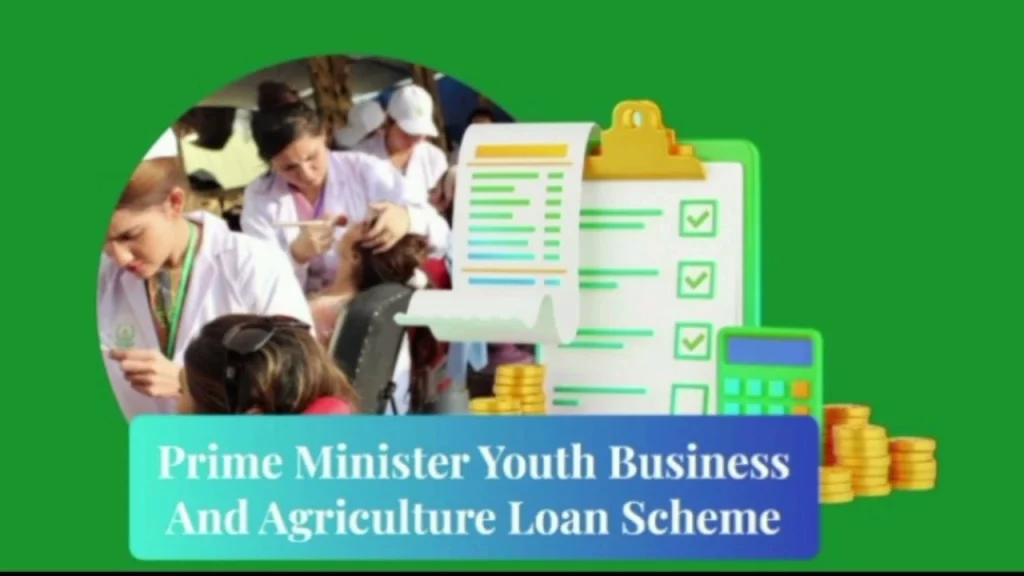
The most comprehensive small business loan scheme offered by the Government of Pakistan is the PM Youth Business & Agriculture Loan Scheme (PMYB&ALS). This flagship program supports startup financing for new ventures, business expansion for existing SMEs, agriculture financing, women entrepreneurship, and IT startup financing aligning with Pakistan’s growing digital economy.
The scheme operates through a network of partner banks including National Bank of Pakistan, First Women Bank, Bank of Punjab, Zarai Taraqiati Bank Limited, and several microfinance institutions, which disburse loans at heavily subsidized interest rates far below what commercial banks would normally offer.
No heavy collateral is required for smaller loan tiers, making the scheme specifically accessible for young applicants who lack expensive property or assets to offer as guarantees to banks.
Funding for Startups in Pakistan What the Ecosystem Looks Like
Beyond government loan schemes, funding for startups in Pakistan has grown considerably. Venture capital firms, angel investors, and government-backed incubators are increasingly active in cities like Karachi, Lahore, and Islamabad.
In 2025, financial support for Pakistan’s youth, entrepreneurs, and salaried individuals became more accessible through different loan programs, with the government and private banks offering low-interest financing to help people start or expand businesses, improve living standards, and contribute to the country’s economy.
The Asaan Karobar Finance Scheme is another option worth noting. This financial inclusion initiative by the State Bank of Pakistan provides small business loans without collateral to help entrepreneurs, freelancers, and shopkeepers start or grow their micro and small enterprises.
Government Investment Schemes Pakistan Provincial Initiatives
Beyond the federal government, provincial administrations have launched their own government investment schemes in Pakistan. The Maryam Nawaz Loan Scheme 2026 has been introduced as a flagship welfare and economic empowerment initiative in Punjab, focusing on interest-free and low-markup loans for youth, women entrepreneurs, and small business owners who struggle to secure funding from traditional banks.
The scheme aims to create jobs, reduce unemployment, and strengthen the local economy going beyond pure financial support to build a sustainable entrepreneurial culture in the province.
These provincial-level government investment schemes in Pakistan complement the federal initiatives, creating a layered support system for business owners at every stage.
Expert Opinion Why These Schemes Matter for Pakistan’s Future
Pakistan’s economic challenges inflation, unemployment, and limited access to formal credit make these schemes not just helpful but essential. Economists and development experts have consistently argued that SME financing and financial inclusion are the two pillars on which Pakistan’s economic recovery must stand.
Business incentives in Pakistan, when properly implemented, can create a multiplier effect. A loan to one small business owner can generate employment for several others. The State Bank of Pakistan Loan Scheme 2025 and 2026 represent an acknowledgment by policymakers that trickle-down economics alone is not sufficient direct intervention is needed.
For the schemes to reach their full potential, experts emphasize the need for digital access, awareness campaigns, and streamlined application processes, especially in rural and underserved areas of the country.
Impact on Pakistan’s Economy and Global Perception
Pakistan’s commitment to business incentives and loan schemes sends a positive signal to international investors. The government’s decision to consult international experts on export incentive options before the upcoming budget reflects an intent to align Pakistan’s policies with global best practices.
A stronger SME sector, supported by accessible government investment schemes in Pakistan, reduces the informal economy, increases tax revenue, and ultimately improves Pakistan’s standing in global economic rankings. Startup funding in Pakistan, both through equity and debt, is now attracting attention from regional investors who previously overlooked the market.
Conclusion The Road Ahead for Pakistani Entrepreneurs
The combination of the State Bank of Pakistan Loan Scheme 2026, the PM Youth Loan Scheme, the Maryam Nawaz Loan Scheme, and other government investment schemes in Pakistan paints an encouraging picture. The government has clearly prioritized economic empowerment as a national objective.
For aspiring entrepreneurs especially women and youth now is arguably the most favorable time in Pakistan’s history to start a business with government support. The key is awareness: knowing which scheme to apply for, what documents are needed, and how to present a viable business plan.
Pakistan’s economic journey is far from complete, but these business incentives and loan programs represent a genuine step in the right direction.
Frequently Asked Questions (FAQs)
Q1: Who is the No. 1 richest man in Pakistan?
Shahid Khan is considered the richest man in Pakistan in 2026. A Pakistani-American business tycoon who famously started with just $500, he now owns Flex-N-Gate a global auto parts giant as well as the Jacksonville Jaguars NFL team and Fulham Football Club in the UK. His net worth is estimated at over $13 billion, making him significantly wealthier than domestic competitors.
Q2: What is the salary of the HBL CEO?
Muhammad Aurangzeb, who joined HBL in 2018 as President and CEO, received an annual salary of approximately Rs. 265.66 million making him the third highest-paid banking CEO in Pakistan at the time of the most recent publicly available data. He is notable as the only Pakistani invited to the exclusive Global CEO Council organized by the Wall Street Journal/Dow Jones group.
Q3: Who is the CEO of KFC in Pakistan?
Raza Pirbhai serves as the Chief Executive Officer of KFC Pakistan. He has previously held senior roles at ZIL Ltd. and Qubee – Augere Pakistan, and holds an MBA from Yum University. He has also been appointed as Vice President of the American Business Council in Pakistan, reflecting his standing in the country’s corporate sector.