The political crisis in Pakistan has intensified once again. PTI senators staged a dramatic walkout from the Senate after raising serious concerns about a secret hospital visit by Bushra Bibi, wife of jailed former Prime Minister Imran Khan. The incident has reignited a fierce debate about human rights, democratic norms, and the current political situation of Pakistan in 2025.
Background The Ongoing Political Crisis in Pakistan
Pakistan has been facing a deep and prolonged political crisis since 2022. The removal of Imran Khan as Prime Minister through a vote of no-confidence triggered a chain of events that divided the nation politically.
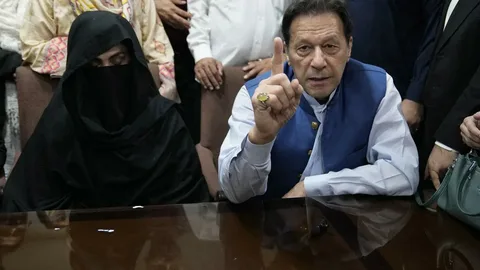
Imran Khan and his wife Bushra Bibi have been held at Adiala jail for months, facing multiple legal cases. The current political situation of Pakistan reflects a sharp divide between the ruling coalition and PTI, with both sides locked in bitter confrontation.
The political problems of Pakistan today are deeply rooted in this power struggle. Issues of judicial independence, press freedom, and civil liberties have come to the forefront. The political condition in Pakistan has created a climate of uncertainty that continues to affect governance, the economy, and public trust in state institutions.
What Happened PTI’s Senate Walkout Explained
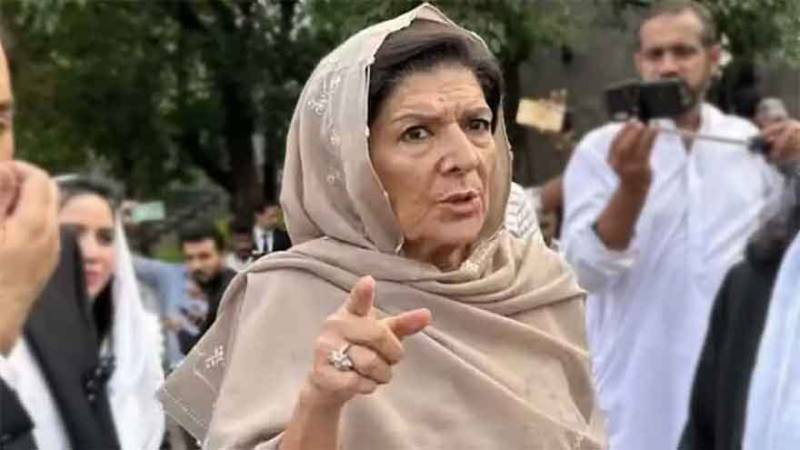
PTI senators walked out of the Senate after the party’s parliamentary leader, Syed Ali Zafar, raised alarm over reports that Bushra Bibi was suddenly and suspiciously taken to a hospital from Adiala jail during the night and returned without any public disclosure.
Zafar called the incident a serious human rights violation. He described the situation as highly strange and secretive and said it raised several disturbing questions. The walkout added a new chapter to the ongoing political crisis in Pakistan and drew national attention to the treatment of political prisoners.
He said the silence of the government and jail authorities had made the matter even more suspicious. This incident reflects the wider political issues in Pakistan, where transparency and accountability remain major concerns for citizens and opposition parties alike.
Full Details Ali Zafar’s Demands and Accusations
PTI’s Ali Zafar did not hold back in his address to the Senate. He raised pointed questions about the government’s conduct and the treatment of Bushra Bibi inside Adiala jail.
Zafar claimed that Bushra Bibi had for months faced solitary confinement, mental torture, and extremely harsh conditions in jail. He alleged that her personal doctors were being denied access, family meetings were blocked, and details of her treatment were being kept secret.
On behalf of PTI, Zafar placed seven demands before the House, including immediate disclosure of Bushra Bibi’s medical test results, permission for her personal doctors to examine her, unrestricted family meetings, her transfer to Shifa International Hospital, formation of an independent medical board, and permission for human rights organisations and a Senate committee to visit her.These demands go to the heart of the political problems of Pakistan and their solutions transparency, rule of law, and respect for human rights within the state system.
Quotes What Key Figures Said
The current political situation of Pakistan came into sharp focus through the statements made during the Senate session.
PTI’s Ali Zafar was direct and emotional in his address. He said: “Political differences may exist, but endangering a person’s health and life is wholly unacceptable.” He questioned whether the government had become so vindictive that it had lost all conscience.
Government aide Rana Sanaullah, in response, asked PTI to adopt the legal route to seek permission to visit the jail and then inform the House afterward. His response was seen by opposition members as dismissive of the issue.
ANP Senator Aimal Wali Khan stressed the need for a political solution, suggesting forming a committee comprising senior politicians and sending it to Adiala jail to see whether Bushra Bibi and Imran Khan were being provided with basic facilities.
These contrasting positions reflect the deep divide at the core of Pakistan’s political crisis a crisis that has paralysed meaningful dialogue for years.
Human Rights Dimension A Broader Concern
Beyond party politics, this episode raises fundamental questions about human rights in Pakistan. The current political situation of Pakistan essay writers and analysts have often highlighted the issue of political prisoners and their treatment under successive governments.
Zafar said: “Such treatment is not only inhumane but also contrary to fundamental human rights and constitutional protections.” He emphasized that transparency and adherence to human rights are essential in any democratic society.
The political issues in Pakistan are not limited to party rivalries. They extend to questions of due process, right to medical care, freedom of expression, and the independence of state institutions. When a senior politician’s wife is taken to a hospital in secret, it signals deeper cracks in the system that ordinary citizens also feel.
Impact Regional and Democratic Implications
The Pakistan political crisis 2024 and its continuation into 2025 has had wide-ranging effects. Domestically, it has deepened polarization between PTI supporters and the ruling coalition. It has also weakened public confidence in parliament as a platform for resolving political disputes.
PPP parliamentary leader in the Senate Sherry Rehman also used the session to criticise the anti-encroachment operation in Bari Imam, stressing that poor residents of informal settlements were treated inhumanely through police shelling and bulldozer action. This shows that the political problems of Pakistan and their solutions extend beyond one party or one issue.
Internationally, Pakistan’s image as a functioning democracy is under scrutiny. Foreign observers, human rights organisations, and diplomats have taken note of the treatment of political figures and their families. The current political situation of Pakistan essay discussions abroad often focus on the gap between constitutional promises and ground realities.
The economic consequences are equally significant. Political instability deters investment, weakens governance, and diverts attention from urgent issues like inflation, unemployment, and energy shortages. The political condition of Pakistan directly affects its economic recovery and relations with international financial institutions.
Political Problems of Pakistan and Their Solutions
The political crisis in Pakistan cannot be resolved through walkouts, court battles, or media statements alone. Analysts and civil society voices have long argued for structural reforms.
Key solutions include strengthening independent institutions such as the judiciary, the Election Commission, and parliamentary committees. Political dialogue between all stakeholders including PTI, the ruling coalition, and the military establishment is essential for long-term stability.
Respect for human rights, including the rights of political prisoners, is a non-negotiable element of any resolution. The political issues in Pakistan will persist as long as the state continues to treat dissent as a security threat rather than a democratic right.
Transparent governance, free media, and the rule of law are the foundations on which a stable Pakistan can be rebuilt. The current political situation of Pakistan in 2025 demands urgent attention from both domestic leadership and international partners.
Conclusion What Comes Next?
The PTI Senate walkout over Bushra Bibi’s secret hospital visit is more than a parliamentary protest. It is a symptom of the deep and unresolved political crisis in Pakistan. Each such incident widens the trust deficit between the government and the opposition and erodes public faith in democratic institutions.
The political condition in Pakistan will only improve if all parties commit to constitutional norms, independent oversight, and respect for fundamental rights. The coming weeks will be critical whether PTI pursues its demands through legal channels, escalates street pressure, or both.
What is clear is that the political situation in Pakistan today remains fragile, contested, and in urgent need of a sustainable political solution one that prioritizes the interests of the Pakistani people over the ambitions of any single party or institution.
Frequently Asked Questions (FAQs)
What is the political crisis in Pakistan?
The political crisis in Pakistan refers to the prolonged power struggle that began after the removal of former Prime Minister Imran Khan in April 2022. It involves legal battles, protests, arrests of PTI leaders, and deep divisions between the ruling coalition and the opposition. The crisis has affected governance, the economy, and democratic institutions.
What is the current problem in Pakistan?
The current problem in Pakistan includes political instability, economic challenges such as inflation and debt, security threats, and human rights concerns. The treatment of political prisoners, restrictions on the media, and lack of independent accountability mechanisms are among the most pressing issues in the current political situation of Pakistan in 2025.
What is a political crisis?
A political crisis is a situation in which the normal functioning of a government or political system is severely disrupted. It can result from constitutional breakdowns, loss of public confidence in leadership, power struggles between institutions, or mass civil unrest. Pakistan’s political crisis fits this definition, as it has disrupted parliament, the judiciary, and civil liberties over an extended period.