North Korea has once again sent a defiant message to the world. Pyongyang has declared it will never be bound by the Nuclear Non-Proliferation Treaty (NPT) and its status as a nuclear-armed state is here to stay. This bold statement, made at the United Nations, has reignited global debate over the future of nuclear diplomacy.
What Happened? The Latest Statement
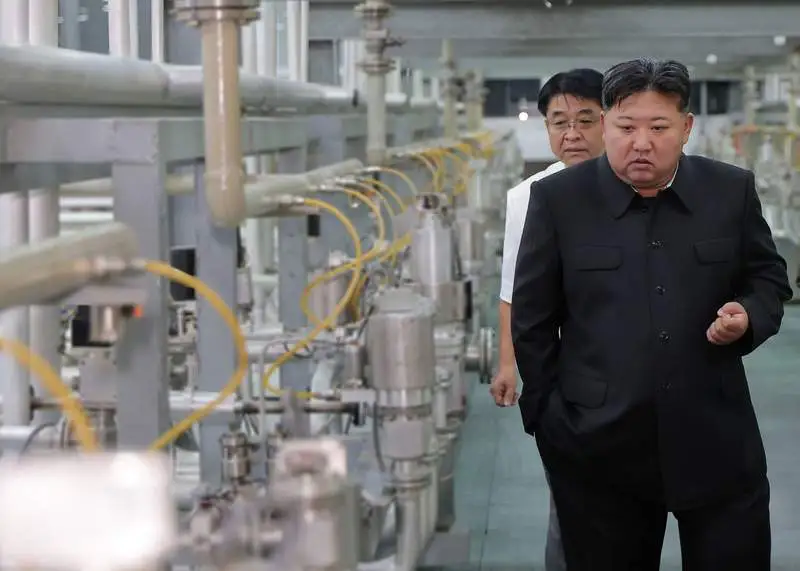
North Korea’s UN Ambassador Kim Song stated that Pyongyang will not be bound by any treaty on atomic weapons and that no external pressure will change its status as a nuclear-armed state.
The Ambassador’s statement, carried by state media, came as the United States and other countries criticised North Korea’s nuclear programme at the ongoing UN conference reviewing the Nuclear Non-Proliferation Treaty.
Kim Song made it absolutely clear, saying the status of the DPRK as a nuclear-armed state “will not change based on external rhetorical claims or unilateral desires.” He added that North Korea “will not be bound by the Non-Proliferation Treaty under any circumstances whatsoever.”
Background What Is the Nuclear Non-Proliferation Treaty?
The Nuclear Non-Proliferation Treaty, widely known as the NPT, is one of the most important international agreements in history. It was signed in 1968 and entered into force in 1970. The core idea behind the NPT is simple: stop the spread of nuclear weapons, promote disarmament, and allow the peaceful use of nuclear energy.
The treaty has three main pillars non-proliferation, disarmament, and peaceful use of nuclear technology. “Non-proliferation meaning” in simple terms is preventing countries that do not have nuclear weapons from acquiring them, while also pushing nuclear states toward eventual disarmament.
The NPT does not have a fixed expiration date in the traditional sense. It was extended indefinitely in 1995, which means it has no fixed end. However, countries review its progress every five years at NPT Review Conferences, including the 11th such conference currently underway at the United Nations.
A related but separate agreement is the Treaty on the Prohibition of Nuclear Weapons (TPNW), adopted in 2017. Unlike the NPT, the TPNW calls for a total ban on nuclear weapons but has not been signed by any of the major nuclear powers.
Why Did North Korea Withdraw from the NPT?
North Korea originally joined the NPT but later announced its withdrawal in 2003 the only country ever to do so. The decision came amid rising tensions with the United States over Pyongyang’s secret nuclear activities. North Korea argued it had the right to withdraw under the treaty’s own rules after the U.S. declared it part of an “axis of evil.”
After withdrawing from the NPT in 2003, Pyongyang has since conducted six nuclear tests and faced multiple UN Security Council sanctions. The country is believed to hold dozens of nuclear warheads.
Kim Song further stated that the country’s nuclear status has been “enshrined in the constitution, transparently declaring the principles of nuclear weapons use.” This means North Korea views its nuclear programme not as a negotiating chip but as a permanent national right.
The Nuclear Non-Proliferation Act United States Perspective
The Nuclear Non-Proliferation Act of 1978 is a United States law that sets conditions for U.S. nuclear cooperation with other countries. It requires partner nations to comply with strict safeguards to prevent the misuse of nuclear technology. North Korea’s repeated rejection of international norms puts it in direct conflict with this framework, complicating any future diplomatic engagement with Washington.
Hinglaj Mata Temple A Symbol of Peace in the Same Week
While North Korea dominated nuclear headlines, another significant story was making news. Hinglaj Mata Temple, also known as Hinglaj Devi or Nani Mandir, is a Hindu temple located in Hinglaj, a town on the Makran coast in the Lasbela district of Balochistan, Pakistan, lying in the middle of Hingol National Park.
This year, around 300,000 pilgrims attended the annual Hinglaj Mata festival, which is regarded as the third-largest Hindu religious congregation after similar festivals in India and Nepal. The contrast between nuclear tensions and such moments of mass peaceful pilgrimage highlights how humanity walks two very different paths simultaneously.
Quotes What Officials Are Saying
North Korea’s Ambassador Kim Song declared: “The Democratic People’s Republic of Korea will not be bound by the Non-Proliferation Treaty under any circumstances whatsoever.”
Senator Daanesh Kumar, attending the Hinglaj Mata festival, described the temple as one of the most sacred sites in Hinduism, saying the large turnout is “proof of interfaith harmony and Pakistan being a safe country.”
On the nuclear front, global experts and diplomats at the 11th NPT Review Conference have expressed deep concern over the weakening of the treaty’s authority, especially as both nuclear and non-nuclear states face growing pressures.
Global Impact Why This Matters
The nine nuclear-armed states Russia, the US, France, the United Kingdom, China, India, Pakistan, Israel and North Korea possessed 12,241 nuclear warheads in January 2025. The US and Russia hold nearly 90 percent of nuclear weapons globally and have carried out major programmes to modernise them in recent years.
North Korea’s open defiance of the NPT weakens the entire global non-proliferation framework. If one country can simply walk away and build weapons freely, it emboldens others. It also puts South Korea, Japan, and other regional neighbours on edge.
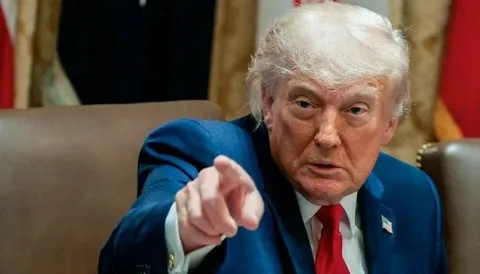
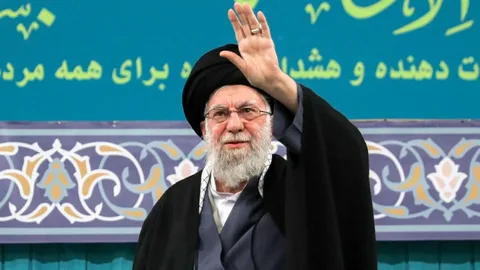
The nuclear issue has also been at the heart of the US and Israel’s war on Iran, with US President Donald Trump saying that Tehran a signatory to the NPT can never have a nuclear weapon. Iran denies seeking atomic weapons and has long demanded Washington acknowledge its right to enrich uranium.
North Korea’s rejection of the treaty, and its partnership with Russia, adds yet another dangerous layer to global stability. North Korea has sent ground troops and artillery shells to support Russia’s invasion of Ukraine, and observers say Pyongyang is receiving military technology assistance from Moscow in return.
Conclusion What Comes Next?
North Korea’s latest declaration is not new but it comes at a particularly dangerous moment. The NPT Review Conference is struggling to hold together as nuclear tensions rise globally, from Ukraine to Iran to the Korean Peninsula.
The world faces a critical question: can the Nuclear Non-Proliferation Treaty survive as a meaningful agreement, or is it becoming a document that only law-abiding states follow while nuclear outliers act with impunity? Diplomats, analysts, and global citizens must grapple with this reality before it is too late.
FAQs
Is North Korea part of the non-proliferation treaty?
No. North Korea announced its withdrawal from the Nuclear Non-Proliferation Treaty in 2003, making it the only country to ever formally leave the NPT. It has since conducted six nuclear tests and openly declared itself a nuclear-armed state. Its Ambassador recently reaffirmed that Pyongyang will never return to or be bound by the NPT.
Why can’t you smile on July 8 in North Korea?
July 8 is the death anniversary of North Korea’s founding leader Kim Il-sung, who died on that date in 1994. North Korean law and social code prohibit public celebrations, laughter, or any form of joyful expression on that day as a mark of national mourning. Violations can result in serious punishment.
What is the nuclear agreement with North Korea?
There is currently no active nuclear agreement with North Korea. Previous attempts include the 1994 Agreed Framework between the U.S. and North Korea, which collapsed by 2002, and the Six-Party Talks involving the U.S., China, Russia, Japan, South Korea, and North Korea, which stalled in 2009. All diplomatic efforts have so far failed to produce a lasting deal, and North Korea continues to expand its nuclear capabilities.