For millions of people, spring and summer arrive with a familiar misery constant sneezing, itchy eyes, a blocked nose, and exhaustion. The good news is that hay fever tips have come a long way, and with the right combination of habits and treatments, most people can dramatically reduce their suffering this pollen season.
Check the Pollen Forecast Every Morning
Check the daily pollen forecast before leaving the house. Pollen counts are highest between early morning and mid-afternoon on hot, dry, and windy days. Rainy weather washes pollen from the air, making post-rain days significantly safer for outdoor activity. Building this habit into your morning routine allows you to plan the day around pollen levels — one of the simplest and most effective hay fever tips available.
Start Antihistamines Before Symptoms Peak
Antihistamines are significantly more effective when taken before exposure rather than after symptoms escalate. Non-drowsy second-generation antihistamines such as cetirizine, loratadine, and fexofenadine are available over the counter and recommended as first-line treatment. For severe hay fever treatment, a steroid nasal spray used consistently throughout the season not just on bad days provides the most reliable reduction in congestion. Starting both two weeks before your typical peak season delivers the best results.
Use a Barrier Balm Around Your Nostrils
Applying a thin layer of petroleum jelly or a purpose-made barrier balm around the inside of the nostrils physically traps pollen before it can be inhaled. Combined with wraparound sunglasses to protect the eyes and a wide-brimmed hat to keep pollen out of hair, this creates a practical physical barrier for outdoor days. It requires no prescription, costs very little, and remains one of the most underrated hay fever tips in everyday use.
Shower and Change Clothes After Going Outside
Pollen clings to hair, skin, and clothing and if brought indoors, it continues triggering severe hay fever symptoms long after you have left the outdoors. Showering and changing clothes after time outside, particularly before bed, removes accumulated pollen and prevents nighttime flares that disrupt sleep. Never dry laundry outside during pollen season sheets and towels hung outdoors act as pollen traps and bring significant allergen directly into the bedroom.
Keep Windows Closed During Peak Pollen Hours
Keeping windows and doors closed during high-pollen periods particularly early morning and mid-afternoon dramatically reduces pollen entering the home. Use air conditioning in both house and car rather than opening windows, and ensure pollen filters are clean and up to date. A portable HEPA air purifier in the bedroom provides additional filtration overnight and meaningfully improves sleep quality for people whose hay fever tips routine includes managing significant nighttime congestion.
Use a Saline Nasal Rinse
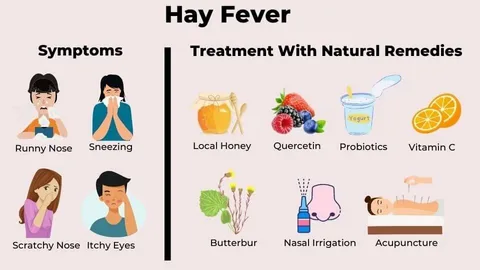
Saline nasal irrigation physically flushes pollen, dust, and allergens trapped in the nasal passages providing immediate relief from congestion and reducing the total allergen load the immune system has to manage. Purpose-made saline sprays are available at pharmacies, or a neti pot with sterile saline solution can be used for a more thorough rinse. Using a saline rinse before applying a steroid nasal spray also improves medication effectiveness by clearing the passages first.
Consider Immunotherapy for Long-Term Relief
For people whose severe hay fever treatment with antihistamines and nasal sprays provides insufficient relief, allergen immunotherapy offers the only treatment that modifies the underlying immune response. Subcutaneous immunotherapy involves a series of allergy injections administered by an allergist. Sublingual immunotherapy placing an allergen tablet under the tongue daily is a newer, at-home alternative. Both have strong clinical evidence and can provide lasting relief that continues even after the course ends.
Know the Pollen Calendar
Tree pollens from birch, alder, and ash dominate in early spring. Grass pollen takes over in late spring and early summer the most common trigger overall. Weed pollens including ragweed and nettle cause problems through late summer and autumn. Mould spores, which thrive in warm, damp conditions, can also trigger hay fever-like symptoms year-round. Knowing your personal trigger season is one of the most practical hay fever tips for starting treatment at precisely the right time.
Know When to See a Doctor
If over-the-counter antihistamines and nasal sprays are not providing adequate relief, or if symptoms are significantly affecting sleep, work, or daily life, see a GP or allergist. Prescription-strength corticosteroid nasal sprays, montelukast tablets, and antihistamine eye drops can all make a significant difference for severe hay fever symptoms. An allergist can also perform skin prick or blood tests to identify exact triggers enabling a far more targeted management plan than general pollen avoidance alone.
Frequently Asked Questions
How to cure hay fever naturally?
There is no permanent natural cure, but several natural approaches reduce severe hay fever symptoms effectively. Applying barrier balm around the nostrils, using saline nasal rinses, wearing wraparound sunglasses outdoors, showering after being outside, and keeping windows closed during peak pollen hours are all evidence-supported strategies. The herbal extract butterbur has limited but positive clinical evidence. For lasting relief, allergen immunotherapy is the closest thing to a permanent solution though it requires a medical prescription and takes years to complete.
How long does hay fever last?
Duration depends entirely on which pollens trigger your symptoms. Tree pollen season runs from February to May. Grass pollen peaks from May to July. Weed pollen continues from July through October or November. People sensitive to multiple pollens can experience symptoms for most of the year. Consistent management from the start of your trigger period following these hay fever tips from the beginning produces significantly better outcomes than reactive treatment after symptoms have already peaked.
How to stop hay fever immediately?
For fast relief from severe hay fever symptoms, take a fast-acting antihistamine such as cetirizine, rinse nasal passages with saline solution, wash the face and rinse eyes with clean water, and apply a cool compress to itchy or swollen eyes. Moving indoors, showering, and changing clothes removes accumulated pollen quickly. A steroid nasal spray will not provide immediate relief as it takes several days of consistent use to reach full effectiveness but remains the most reliable long-term severe hay fever treatment available without a prescription.