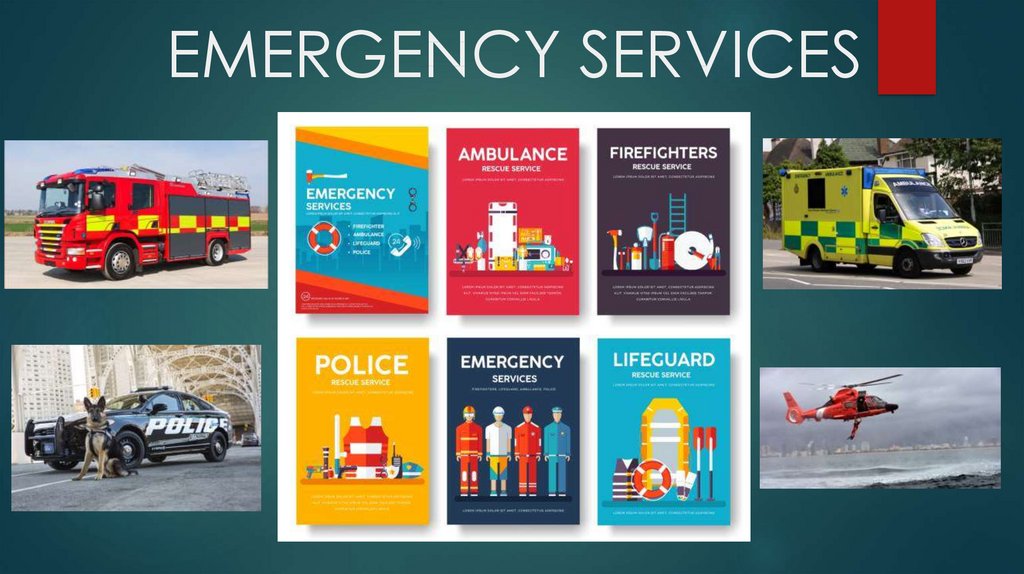
Whether you are a resident, a tourist, or a gamer exploring Emergency Response London FiveM servers, knowing how emergency services work in the UK capital is essential. The two main emergency numbers in the UK are 999 and 112 both connect you to the same emergency services including police, fire, ambulance, and coastguard, and are free to call from any phone.This guide covers everything from real emergency contacts to London’s official emergency plan and the growing world of London-based emergency roleplay.
Background: Why Emergency Preparedness in London Matters
London is one of the world’s most densely populated capitals, home to over nine million people and millions more tourists each year. Managing safety at this scale requires a sophisticated, multi-agency approach. The London Resilience Partnership brings together over 170 organisations, each with specific responsibilities for preparing for and responding to emergencies.
Emergency in London can range from major terror incidents to flooding, fires, and medical crises. The city has experienced all of them and its emergency response framework has evolved continuously to meet modern threats. Understanding who responds, how they respond, and what number to call is something every person in London should know.
What Are the 6 Emergency Services in the UK?
A common question people search for is: what are the 6 emergency services UK agencies cover? While the widely cited “big three” are police, fire, and ambulance, the full picture is broader. The five main emergency services reachable via 999 or 112 are police, ambulance, fire brigade, coastguard, and mountain and cave rescue.The sixth is often considered to be the RAF Search and Rescue or HM Coastguard as a distinct agency, depending on the context.
Here is a quick breakdown of all six:
- Police Handles crime, public order, and threats to life. The emergency number London police and across England is 999 for emergencies and 101 for non-urgent matters.
- Ambulance Responds to medical emergencies. The London ambulance number for emergencies is 999. For non-life-threatening medical concerns, call 111.
- Fire Brigade Responds to fires, gas leaks, road traffic accidents, and rescues.
- HM Coastguard Handles sea, cliff, and coastal emergencies.
- Mountain and Cave Rescue Covers remote terrain emergencies across the UK.
- NHS 111 / Emergency Medical Dispatch While not a “blue light” service, NHS 111 is a critical part of the emergency medical chain, triaging calls and directing patients to the right level of care.
Emergency Numbers: What to Call in London
When facing an emergency in London, choosing the right number matters. Dial 999 or 112 from any phone. You don’t need credit or a SIM card on your mobile. When the operator answers, you’ll be asked “Emergency which service?” and you respond with Police, Fire, Ambulance, or Coastguard.
The emergency number UK police non-emergency line is 101, used for reporting crimes that have already happened, giving information to officers, or making general inquiries. Use 101 to contact the police for issues that are important but not urgent, such as reporting a crime that’s already happened like theft or property damage.For medical concerns that are urgent but not life-threatening, 111 is the right call. For situations like a fever, minor injury, or needing a prescription after hours, call 111. If you’re experiencing chest pain or severe bleeding, call 999 instead.
The London ambulance number for text-based emergencies is also available. You can pre-register to text 999 by sending the word ‘register’ to 999 this is useful if you have a hearing or speech impairment.
The City of London Emergency Response Plan
The City of London Emergency Response Plan is part of a wider, sophisticated framework managed by the London Resilience Partnership. London’s emergency plans are grouped into generic plans applicable to all emergencies and specific plans designed for particular types of risk. All of the specific plans are designed to complement the generic plans and can be simultaneously activated.
The key frameworks include plans for structural collapse, severe weather, mass evacuation, power supply disruption, water supply failure, and flooding. The Strategic Coordination Protocol describes how emergency response agencies work together to respond to an emergency at a strategic level, while the Tactical Coordination Protocol covers how they coordinate at the scene of an emergency.
The London Emergency Services Liaison Panel first met in 1973 and continues to provide guidance on improving the abilities of emergency responders to work together. The London Resilience Team was formally created in 2002.Today, the unit is part of the Greater London Authority and oversees the capital’s preparedness for all major risk scenarios.
The City of London also advises all residents and businesses to have a personal emergency plan including preparing for severe weather, flooding, and evacuation scenarios. All family members should have a copy of their household emergency plan.
Emergency Responder Volunteer: How You Can Help
Being an emergency responder volunteer in London is an increasingly important way citizens can support the capital’s resilience. The London Resilience Unit has announced recipients of the 2025 Community Resilience Fund, as part of ongoing work to deliver the Mayor’s commitment to ensuring London remains resilient and prepared for future challenges.
The London Community Resilience Toolkit launched in April 2025, offering communities across the capital tools and frameworks to prepare for and respond to emergencies at a local level.Volunteers are involved in everything from first response coordination to supporting displaced persons during mass evacuation events. Community groups, faith organizations, and charities all play a role alongside statutory services in the City of London Emergency Response Plan structure.
If you are interested in becoming an emergency responder volunteer, the London Resilience Partnership connects citizens with local resilience hubs and voluntary sector organizations through its official website.
Emergency Response London FiveM: The Gaming Phenomenon
Beyond real-world emergency services, Emergency Response London FiveM has become one of the most popular roleplay niches in the GTA V modding community. FiveM is a multiplayer modification for GTA V that allows players to join dedicated roleplay servers many of which simulate British emergency services with remarkable authenticity.
Emergency Response London by Emergency Academy Roleplay (EA-RP) is a European roleplay community for FiveM that offers quality roleplay based in London, EnglandPlayers can join as Metropolitan Police officers, London Ambulance Service paramedics, or London Fire Brigade responders all with custom British vehicles, uniforms, and procedures.
City of London Roleplay is a FiveM London-based public server that aims to provide the best roleplay possible, with an Emergency Response Simulator and Mobile Data Terminal among its features. Available departments include the Metropolitan Police Service, London Ambulance Service, London Fire Brigade, and Highways England.
British FiveM servers have imported hundreds of British models including emergency service vehicles and clothing, alongside custom scripts to enhance roleplay experiences.The level of detail mirrors real-world UK emergency procedures, making Emergency Response London FiveM servers genuinely educational as well as entertaining.
These platforms attract thousands of players who want to experience realistic emergency dispatching, tactical policing, fire rescue operations, and medical response all set within a detailed virtual London environment.
Quotes: Official Voices on London’s Emergency Preparedness
Balochistan Chief Minister Sarfraz Bugti, speaking in a different but parallel context of emergency heritage preservation, said: “This stands as a symbol of rich heritage, history and tolerance” a sentiment that echoes the philosophy behind London’s inclusive emergency planning approach
On London’s resilience specifically, the London Resilience Partnership states that the city continues to grow and change, and it remains responsible for ensuring London’s preparedness in the event of emergencies incorporating lessons from every major incident into updated procedures.
Impact: Why This All Matters
Getting emergency response right in London has national and international consequences. Evidence from 2024/25 demonstrated that Release to Rescue implementation across London reduced the average length of ambulance handovers by 11%, increasing capacity to respond to those in need in the community.
By April 2025, average ambulance response times in England had improved to 28 minutes, with 90% of ambulances responding within 56 minutes a significant improvement from the record-worst figures seen in 2023. The continued investment in emergency infrastructure in London is making a measurable difference in survival outcomes.
Conclusion: London’s Emergency Response Is Evolving Fast
Whether you need to dial 999, consult the City of London Emergency Response Plan, volunteer as an emergency responder volunteer, or simply explore the world of Emergency Response London FiveM, the message is clear: emergency preparedness is everyone’s responsibility. New fire safety regulations came into force on 6 April 2026 in England, introducing Residential Personal Emergency Evacuation Plans for multi-occupied residential buildingsthe latest in a long line of improvements to London’s emergency framework.
Stay informed, save the right numbers, and consider getting involved in your local community resilience program. In a city as dynamic as London, being prepared is not just smart it could save a life.
FAQs
Is it 911 or 111 in the UK?
Neither the main emergency number UK police and all blue-light services use is 999. 999 is the traditional UK emergency number, similar to 911 in the US, and is used for any situation where immediate help is needed such as a serious accident, crime in progress, fire, or medical emergency.111 is the NHS non-emergency medical advice line, not a blue-light emergency number. 911 does not work as a standard emergency number in the UK.
What are the 4 pillars of emergency management (EM)?
The four pillars of emergency management are: Mitigation (reducing risks before an emergency), Preparedness (planning and training for emergencies), Response (taking action during an emergency), and Recovery (restoring normality after an emergency). London’s multi-agency plans are built around all four of these phases, from risk assessment through to post-incident review.
Why is the UK having an emergency alert?
The UK’s Emergency Alert system was introduced as a public safety tool that sends warnings directly to mobile phones in the event of a life-threatening situation. Alerts are issued by emergency services and local authorities for events such as severe flooding, extreme weather, or other immediate threats. If you have a hearing or speech impairment, you can use the emergency SMS service by registering your phone in advance by texting “register” to 999 a complementary service that works alongside the national alert system. Alerts are geographically targeted and are only sent when there is a genuine and immediate threat to life in a specific area.