The Middle East conflict today has reached a critical turning point. In breaking news from the Middle East, US President Donald Trump has formally rejected an Iranian proposal to end the ongoing war. The naval blockade continues, oil prices have surged past $117 per barrel, and the Middle East war shows no sign of slowing down.
Background: How the Middle East War Began
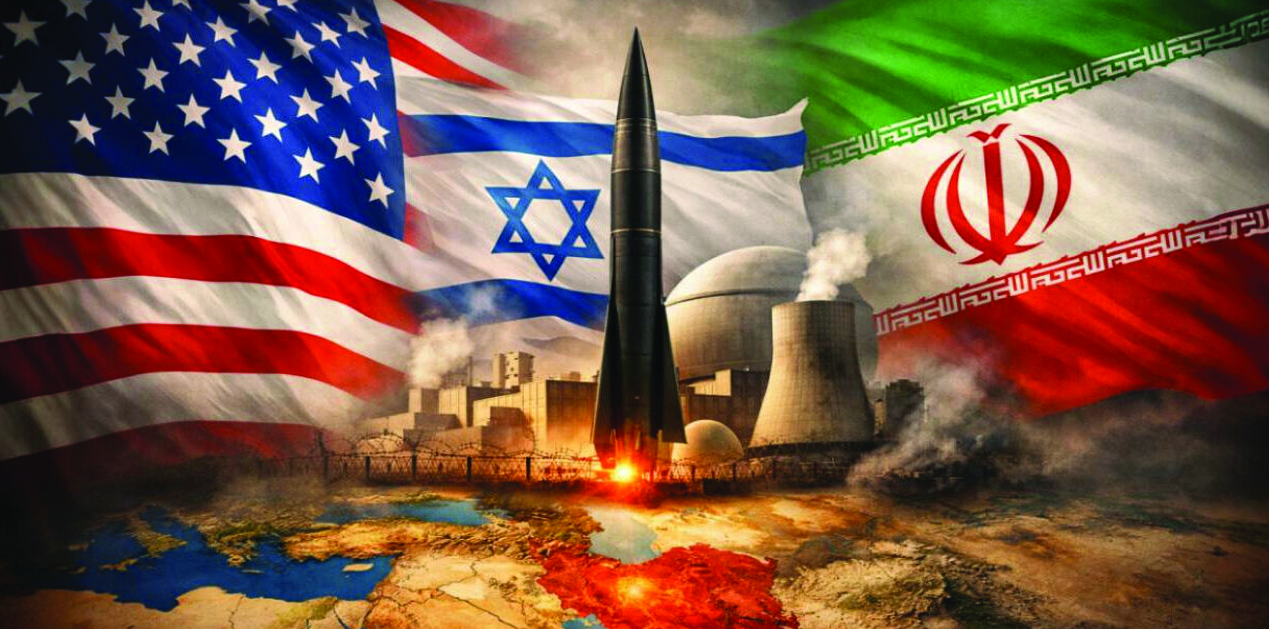
To understand the Middle East conflict explained in its full context, one must go back two months. The US and Israel launched the war against Iran approximately two months ago, triggering a chain of events that has shaken the entire region and rattled global markets.
Iran responded by blockading the Strait of Hormuz one of the world’s most critical oil shipping lanes. This move sent shockwaves through Middle East countries and beyond, pushing fuel prices to dangerous levels worldwide. The Middle East war, which many hoped would be short, has now dragged into a prolonged standoff between Washington and Tehran.
This is the Middle East conflict explained: a military campaign driven by the nuclear question, a naval blockade choking global oil supply, and a fragile ceasefire hanging by a thread since April 8.
Breaking News in the Middle East: US Turns Down Iran’s Offer
In the latest breaking news in the Middle East, US President Donald Trump rejected an Iranian offer to end the conflict, stating that the naval blockade would remain in place until Tehran agreed to a nuclear deal.
This is arguably the biggest development in the Middle East conflict today. Iran had put forward a proposal through Pakistan as a diplomatic channel. The Iranian proposal had laid out red lines, including on nuclear issues and the Strait of Hormuz. The plan would reportedly see Tehran ease its chokehold on the strait and Washington lift its blockade while broader negotiations continued.However, the US firmly rejected it.
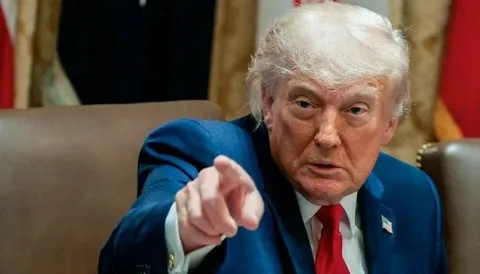
Trump spoke directly on the matter, telling Axios that the blockade was proving more effective than the bombing campaign. He signaled no intention of lifting pressure unless Iran abandoned its nuclear ambitions.
Middle East Breaking News 24/7: What’s Happening on the Ground
For those following Middle East breaking news 24/7, the developments are moving fast. Here is a breakdown:
The Naval Blockade Continues. Trump told oil executives that the US could extend its naval blockade of Iran for months more, and discussed steps to minimise the impact on American consumers. This is a clear sign that the Middle East war is not ending anytime soon.
Iran’s Economy Is Bleeding. Despite official statements projecting confidence, the Iranian rial fell to historic lows against the dollar as the standoff deepened. The economic pain from the Middle East conflict is hitting ordinary Iranians hard.
Oil Prices Spike. Breaking news in the Middle East war has direct consequences for global markets. News that peace talks remained stalled pushed oil prices higher, with Brent crude for June delivery rising more than five per cent to $117 its highest level since a fragile US-Iran ceasefire came into effect on April 8.
USS Gerald R. Ford Heading Home. In a notable military shift, the aircraft carrier USS Gerald R. Ford would depart the Middle East and begin sailing for home in the coming days, following a 10-month deployment.This is a significant development in the Middle East conflict today, though analysts caution it does not mean a de-escalation.
Quotes: Officials Speak on the Middle East War
The voices from both sides of the Middle East conflict are hardening. Trump did not mince words when he posted on his social media platform, warning Iran to “get smart soon.” The tone from Washington remains firm and uncompromising on the nuclear question.
At a White House state dinner, Trump told guests including Britain’s King Charles III that Iran had been “militarily defeated” and emphasized that Iran would never be allowed to have a nuclear weapon.
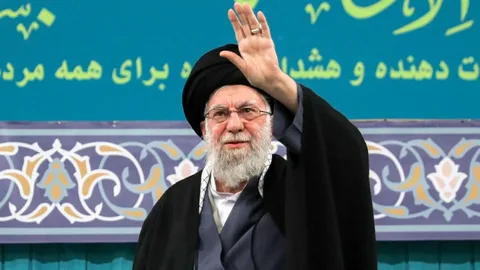
Iran’s response to the Middle East breaking news was equally sharp. An Iranian army spokesman stated that “we do not consider the war to be over” and that Tehran had “no trust in America.”He added that Iran still has many tools and methods of fighting that it has not yet used a warning that the Middle East war could escalate further.
Iran’s parliament speaker Bagher Ghalibaf accused the US of using the blockade to create internal divisions, calling for unity as the only solution to the pressure campaign.
Middle East Countries: Who Is Involved and How?
The Middle East conflict today is not limited to the US and Iran. Several Middle East countries are entangled in this crisis in various ways.
Russia has been playing a quiet but important role. Trump discussed the Iran war with Russian President Vladimir Putin, days after Iran’s Foreign Minister Abbas Araghchi visited St Petersburg.Putin reportedly offered to assist with retrieving Iran’s enriched uranium stockpile as part of a potential deal.
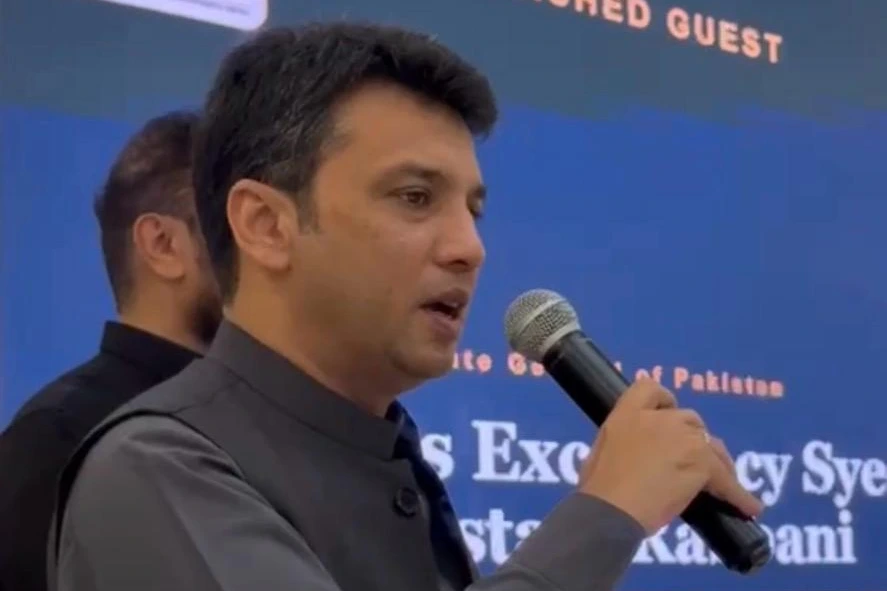
Pakistan has emerged as an unexpected diplomatic bridge. Iran’s peace proposal was passed along by Pakistan, placing Islamabad in a delicate but influential position between the warring parties.
The UAE, another key Middle East country, also made headlines this week by leaving OPEC a decision directly linked to the economic disruptions caused by the Middle East war.
Israel, which participated in the initial strikes alongside the US, remains a central actor in the Middle East conflict explained by analysts as a broader war over Iran’s nuclear program and regional dominance.
Impact: What the Middle East Conflict Means for the World
The breaking news in the Middle East war today carries consequences far beyond the region. The Strait of Hormuz, which Iran has blockaded, is a vital route through which a significant portion of the world’s oil and gas supplies travel. The Middle East conflict today is squeezing global energy markets and raising the cost of living across multiple continents.
Tech supply chains are also being disrupted. Earlier reports confirmed that the Iran war has raised costs for tech firms that rely on components passing through the Gulf region. The Middle East countries sitting along these trade routes are experiencing economic turbulence regardless of whether they are directly involved in the fighting.
Diplomatically, the failure of the latest peace proposal represents a major setback. Analysts watching Middle East breaking news 24/7 warn that the longer the blockade continues, the higher the risk of an accidental escalation that could transform the Middle East war into something much larger and far more dangerous.
Opinion: A War Nobody Is Winning
This opinion piece argues that the Middle East conflict today has entered a phase where neither side can claim a clean victory. The US military campaign was designed to force Iran to the negotiating table on nuclear terms. That objective has not been fully achieved. Iran, despite economic pain, continues to project defiance.
The blockade of the Strait of Hormuz is hurting Iran, but it is also hurting the rest of the world. Middle East countries that depend on oil revenues, global manufacturers, and ordinary consumers in every country are paying a price for this standoff.
The rejection of Iran’s proposal even when passed through a trusted intermediary like Pakistan signals that Washington’s conditions remain extremely high. Tehran, meanwhile, refuses to capitulate publicly, even if private channels suggest some flexibility.
The breaking news in the Middle East war today is not just about two countries. It is about the future architecture of global security, nuclear proliferation, and the limits of military force as a tool of diplomacy. The Middle East conflict explained at its core is this: two powers, neither willing to lose face, with the entire world caught in between.
Conclusion: What Comes Next in the Middle East War
The Middle East conflict today remains unresolved and deeply volatile. A new Iranian proposal is reportedly being prepared following the rejection of the latest offer. Whether that proposal will find more success depends heavily on whether Washington softens its position on the nuclear question.
For those following Middle East breaking news 24/7, the next few days will be crucial. The return of the USS Gerald R. Ford could either be interpreted as a signal of de-escalation or as a simple rotation of forces. Iran’s threat of “unprecedented military action” over the blockade cannot be dismissed.
The Middle East war, which began two months ago, has no clear end in sight. The Middle East countries in the region, global oil markets, and ordinary people worldwide are watching closely. As both sides dig deeper into their positions, the world can only hope that diplomacy finds a way through before the Middle East conflict today becomes a catastrophe tomorrow.
FAQs
What 9 countries cut ties with Israel?
Since the escalation of Middle East conflict in recent years, several countries have downgraded or cut ties with Israel. These include Bolivia, which formally severed relations, along with South Africa, Turkey, Honduras, Jordan (recalled ambassador), Chile, Colombia, Nicaragua, and Belize at various diplomatic levels. The list has evolved as the Middle East war intensified global political pressure on Israel.
What 5 Arab countries attacked Israel?
Historically, the Arab-Israeli wars of 1948 saw Egypt, Jordan, Syria, Iraq, and Lebanon engage militarily against Israel during the first Arab-Israeli war. In later conflicts, coalition compositions changed. In the context of the current Middle East conflict, no Arab state has formally declared war on Israel, though non-state actors backed by Iran have carried out attacks from multiple directions.
Who is Israel’s best friend?
The United States is widely considered Israel’s closest and most powerful ally. This relationship is central to understanding the Middle East conflict today, as US military and diplomatic support has been a cornerstone of Israeli security for decades. The US-Israel alliance also partly explains why the current Middle East war involves American forces alongside Israeli strikes on Iran.