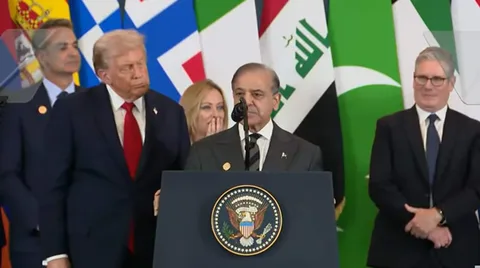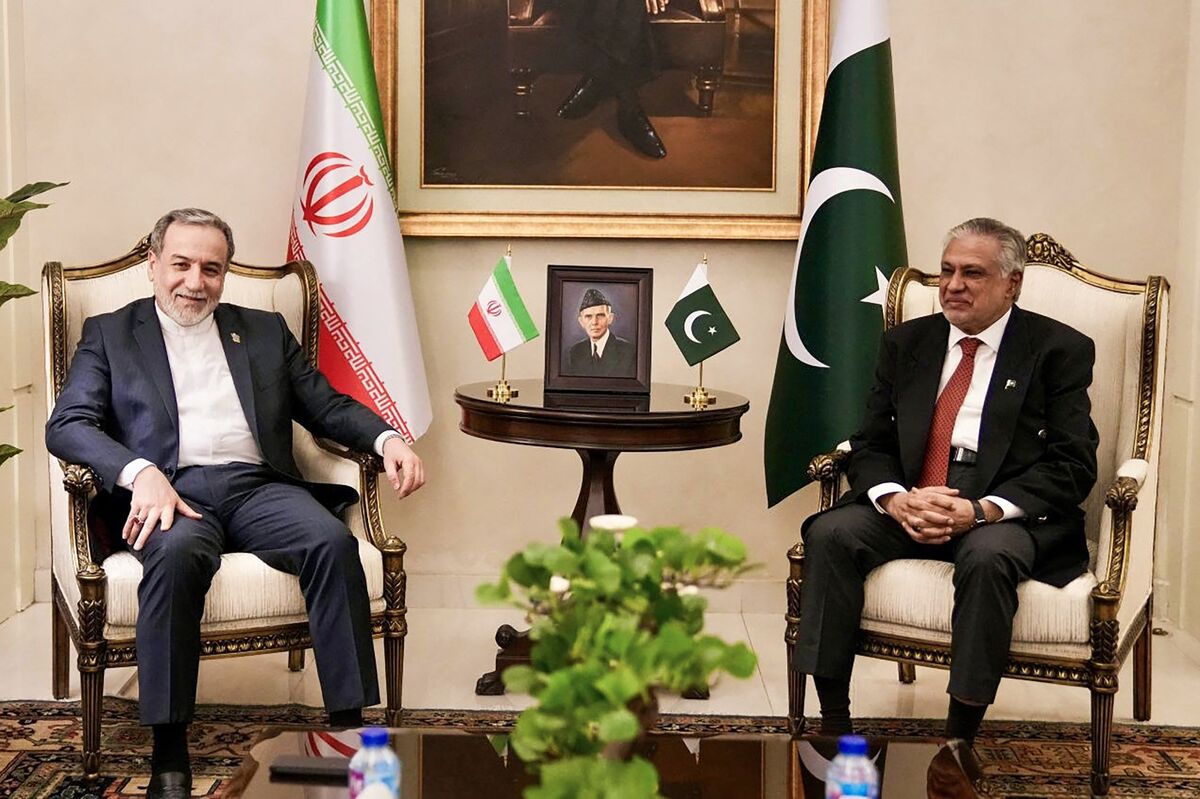
The latest round of US-Iran negotiations today has collapsed into confusion and mixed signals. With neither Washington nor Tehran showing much willingness to soften their positions, prospects for a diplomatic breakthrough in the US-Iran war and securing a lasting ceasefire remain stalled. As the world watches, Iran’s top diplomat has left Islamabad and is now heading to Moscow, raising fresh questions about where this conflict goes next.
Background: How the US-Iran War Began
The current US-Iran war news traces back to late February 2026. On 28 February 2026, Israel and the United States began a series of strikes against Iran, saying they aimed to induce regime change and target its nuclear and ballistic missile programme. Iran’s Supreme Leader Ali Khamenei was killed in the strikes.
Iran appointed Khamenei’s son as his successor and launched a series of counter-strikes against Israel, US military bases in the region, and military and civilian locations in Arab states. Among Iranian counter actions was closing the Strait of Hormuz, a major global trade route for goods including fuel and gas.
What followed was weeks of devastating military exchanges, global economic disruption, and frantic diplomatic efforts led by Pakistan to broker a stop to the fighting. The US-Iran ceasefire that eventually came has remained fragile at best.
Details: The Islamabad Talks That Went Nowhere
The road to US-Iran peace talks has been paved with broken appointments and contradictory statements. On 7 April, Trump announced a two-week ceasefire with Iran through a Pakistan-brokered proposal, stating that Iran would immediately open the Strait of Hormuz and work toward finalizing a peace agreement.
The US-Iran ceasefire began on April 8 after nearly six weeks of US and Israeli strikes on Iran and retaliatory Iranian attacks against Israel and across the Gulf region. The two sides held talks in Islamabad on April 11 aimed at securing a permanent deal, but they ended after 21 hours with no breakthrough.
This week, hopes for a second round of direct talks in Islamabad quickly unravelled. White House press secretary Karoline Leavitt said “we’ve certainly seen some progress from the Iranian side in the last couple of days” and confirmed that Witkoff and Kushner “will be off to Pakistan again tomorrow morning to engage in talks.”Yet hours later, everything changed.
US President Donald Trump canceled a planned trip by his top negotiators to Pakistan for Iran peace talks. Trump told reporters: “We have all the cards. They can call us anytime they want, but you’re not going to be making any more 18-hour flights to sit around talking about nothing.”
Iran Sends Written Messages, Denies Direct Talks
Even as US-Iran war news grows more complicated, back-channel communication has continued. Iran’s ISNA news agency reported that Tehran had transmitted “written messages” to the US via Pakistani mediators, which addressed “some of the red lines of the Islamic Republic of Iran, including nuclear issues and the Strait of Hormuz.” The messages were not part of any negotiations, the agency clarified.
Iran’s Foreign Ministry spokesperson Esmaeil Baghaei said in a post on X that there are no plans for a meeting between Iranian and US negotiators in Pakistan. “No meeting is planned to take place between Iran and the US,” Baghaei wrote. “Iran’s observations would be conveyed to Pakistan.”The contradiction between Washington’s statements and Tehran’s denials has become a defining feature of these US-Iran negotiations today making it nearly impossible to gauge real progress.
Iran FM Araghchi Heads to Russia as Talks Stall
With the Islamabad channel blocked for now, Iran’s Foreign Minister Abbas Araghchi has launched a rapid regional diplomatic tour. Araghchi is set to meet Putin on Monday during an overseas tour which also included meetings with key mediators in Pakistan and Oman, amid stalled talks with the US. Russia has remained a critical diplomatic ally for Iran throughout the war.
Araghchi sandwiched a trip to Muscat, Oman, in between visits to the Pakistani capital, leaving on Sunday to be in Russia the following day. But there was no indication that direct talks between Iran and the United States would resume.
Russia’s potential role in the US-Iran peace talks is significant. Russia has offered to take custody of Iran’s enriched uranium, proposing to store or reprocess it on Russian soil a proposal that could potentially unlock a nuclear compromise if both sides agree.
Key Issues in the US-Iran War and Peace Talks
The US-Iran negotiations today are deadlocked on several core issues. Talks between the US and Iran are being mediated by Pakistan, and issues under discussion include freedom of navigation through the Strait of Hormuz, Iran’s nuclear and ballistic missile programme, reconstruction, sanctions, and a long-term peace agreement.
On the nuclear question, the gap remains vast. The US position has been that Iran must conduct “zero enrichment,” which was rejected by Iran. President Trump has said that Iran has agreed to no longer enrich uranium, but the head of Iran’s Atomic Energy Organization has said Iran will not accept limits on its nuclear enrichment.
Meanwhile, the Strait of Hormuz blockade is strangling global trade. Iran has dismissed the ceasefire extension as “meaningless,” saying the continued US naval blockade of Iranian ports is a violation of the deal and that the Iranian delegation will not return to the negotiating table until the blockade is lifted.
Quotes: What Officials Are Saying
Both sides have been loud but rarely aligned.
Araghchi described his Pakistan trip as “very fruitful” but signalled deep scepticism over Washington’s intentions, insisting he had “yet to see if the US is truly serious about diplomacy.”
Trump told reporters: “They gave us a paper that should have been better and interestingly immediately when I cancelled it, within 10 minutes, we got a new paper that was much better.”
Pakistan’s political and military leadership is continuing to mediate, according to two Pakistani officials, and Araghchi’s expected return to Islamabad is seen as a “hopeful sign” by Pakistani officials.
US-Iran War: Who Is Winning?
In terms of US-Iran war military outcomes, the picture is lopsided but complicated. Trump claimed on 24 March that the US and Israel had “won” the war, even though Iran continued its missile strikes.
Militarily, US and Israeli strikes have inflicted severe damage on Iran’s military infrastructure. However, Iran’s closure of the Strait of Hormuz has caused massive global economic damage. A Pentagon assessment shared in closed-door briefings with Congress indicates it could take up to six months to fully clear Iranian-laid mines from the Strait of Hormuz.
Iran’s Iran attack capabilities have not been fully neutralized. Despite losses, Iran continues to fire missiles and has attacked commercial vessels in the strait showing it retains the ability to inflict serious pain even in a weakened state.
Impact: Global Consequences of the US-Iran War
The fallout from the US-Iran war news extends far beyond the Middle East. Food prices in Gaza are 85% higher than before the Iran war. Sudan imports more than half of its fertilizers by sea from the Persian Gulf region, and the World Food Programme has had to divert food shipments through a longer route in the Red Sea.
The threat of being attacked in the Strait has had a tremendous effect on global shipping. Some vessels with links to Iran made attempts to move through the strait, but others are staying away after Iran attacked three ships with gunfire.
The US-Iran ceasefire, fragile as it is, has at least paused the most intense phase of military strikes. But without a permanent deal, the ceasefire could collapse at any moment.
Conclusion: What Comes Next in US-Iran Peace Talks?
The path to a lasting US-Iran peace talks agreement remains unclear. Iran’s Foreign Minister is now in Russia seeking broader international backing. Trump has pulled his envoys and is demanding Iran “call” Washington directly. Pakistan continues to mediate, refusing to give up.
Iran’s Foreign Minister said an agreement was “just inches away” but criticized “maximalist demands” from US negotiators. No further talks have been officially confirmed.
The next 48 to 72 hours will be critical. Whether Araghchi’s Moscow visit unlocks a new diplomatic formula or whether the fragile US-Iran ceasefire unravels entirely will shape the direction of one of the most dangerous conflicts of 2026.
FAQs
What happened to Iran and US negotiations?
The two sides held talks in Islamabad on April 11 aimed at securing a permanent deal, but they ended after 21 hours with no breakthrough.A second planned round this week also collapsed after Trump cancelled his envoys’ trip and Iran denied direct talks were ever scheduled. Iran’s FM has since traveled to Pakistan, Oman, and Russia to seek diplomatic support.
Who is more powerful, Iran or the USA?
Militarily, the United States holds overwhelming superiority in air power, naval capability, and advanced weapons systems. However, Iran’s ability to close the Strait of Hormuz a critical global shipping lane gives it significant economic leverage. The US naval blockade has prevented 38 ships from entering or leaving Iranian ports, but clearing Iranian-laid mines could take up to six months, according to a Pentagon assessment.The conflict has shown that raw military power does not always translate into quick political victory.
What is the US trying to negotiate with Iran?
Issues under discussion include freedom of navigation through the Strait of Hormuz, Iran’s nuclear and ballistic missile programme, reconstruction, sanctions relief, and a long-term peace agreement.The US core demand has been that Iran abandon uranium enrichment entirely a red line Tehran has firmly rejected. The two sides remain far apart on nearly every major issue.