The Iran oil shock that analysts feared for years is no longer a distant warning it is happening right now. Brent crude oil price jumped more than 7 percent in Asian markets on Mondayas tensions between the United States and Iran escalated sharply. The Strait of Hormuz, the world’s single most critical oil chokepoint, is now at the center of a dangerous standoff that is reshaping global energy markets.
Background: How We Got Here
For decades, geopolitical analysts warned that any serious conflict involving Iran would trigger an oil shock unlike anything the modern economy has seen. Iran sits at the heart of the Persian Gulf, controlling access to the Strait of Hormuz the narrow waterway through which nearly one-fifth of the world’s oil and natural gas supplies flow every single day.
The current crisis did not emerge overnight. Sanctions, nuclear negotiations, and regional proxy conflicts had been building pressure for years. But in early April 2026, that pressure finally broke into open confrontation. A two-week ceasefire between Washington and Tehran was agreed upon, but it is now on the verge of collapse, and oil prices today reflect that harsh reality.
Details: What Is Happening Right Now
The situation in and around the Strait of Hormuz has deteriorated rapidly over just the past few days.
US President Donald Trump announced that US forces seized an Iranian-flagged cargo vessel that had attempted to evade the US blockade of Iran’s ports. This single action sent shockwaves through oil markets and pushed Brent crude oil price sharply higher within hours.
The United Kingdom Maritime Trade Operations Centre reported over the weekend that two vessels came under attack while transiting the strait . Iranian gunboats fired on a tanker, while an unknown projectile struck a container ship.These are not minor incidents. These are acts of aggression against commercial shipping in one of the most strategically vital sea lanes on earth.
After declaring the strait “completely open” on Friday, Tehran reversed course less than 24 hours later, citing the ongoing US blockade.This kind of rapid contradiction reveals how unstable the situation truly is and how quickly oil prices today can swing with every statement from Tehran or Washington.
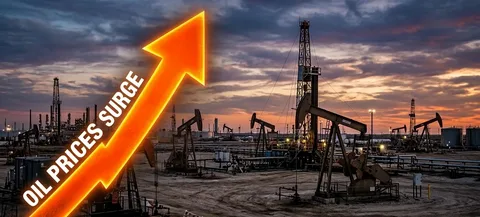
As of early Monday morning, Brent crude was trading at $94.69 a barrel, up sharply from just under $90.40 on Friday.Markets are clearly pricing in the risk that this Iran oil shock could get significantly worse before it gets better.
The Diplomacy That Is Failing
Diplomacy was supposed to be the exit ramp from this crisis. It is not working.
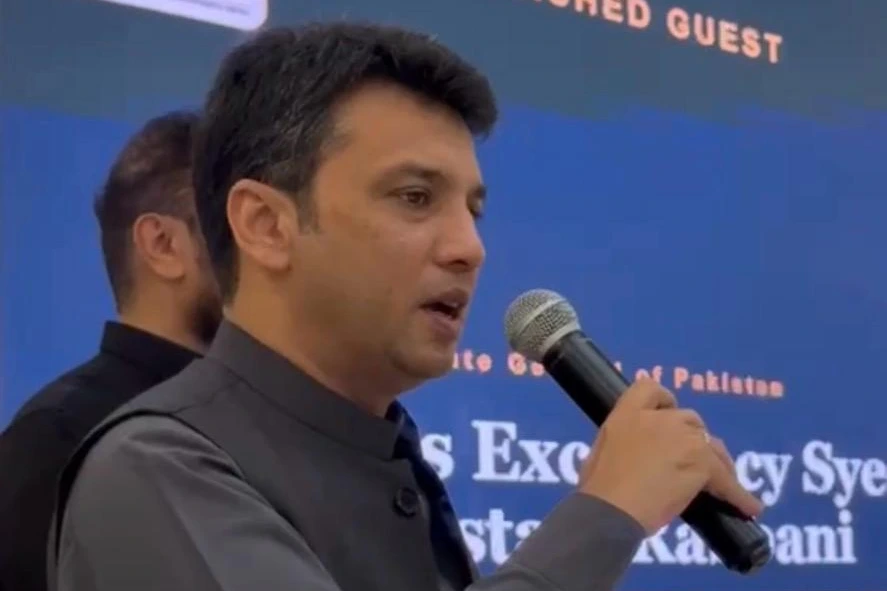
Trump said on Sunday that a US delegation would travel to Pakistan on Monday to hold a second round of ceasefire talks with Iranian officials.That announcement initially offered a small measure of hope to nervous energy markets. But within hours, that hope evaporated.
Iranian state news outlet IRNA reported that Tehran would not participate in the talks, citing the US blockade and Washington’s “excessive demands” and “unrealistic expectations.”This is a serious development. When one side refuses to even show up for negotiations, the path to a peaceful resolution becomes extremely narrow.
The first round of talks held in Islamabad earlier this month also broke down without any agreement between the sides. Two failed rounds of diplomacy, a ceasefire about to expire, and oil prices today climbing by the hour this is what the Iran oil shock looks like in real time.
Quote
As one energy market analyst summarized the situation, the world is watching a slow-motion crisis unfold in real time. Every ship that passes or fails to pass through the Strait of Hormuz sends a direct signal to oil traders around the globe. Right now, that signal is unmistakably bearish for supply and bullish for prices.
Iranian officials, for their part, have framed the situation as a response to unjust pressure. Tehran’s position, as reported by Al Jazeera’s Iran conflict coverage, is that the US blockade leaves Iran no choice but to respond in kind. Whether one agrees with that position or not, the effect on Brent crude oil price is the same: sharply higher.
Impact: Who Is Feeling the Pain
The Iran oil shock is not just a problem for traders and governments. Ordinary people around the world are already feeling it at the pump and in their energy bills.
Iran’s effective closure of the strait has driven a surge in fuel prices worldwide, forcing governments to tap emergency supplies and roll out energy-saving measures.Countries across Asia, Europe, and the Middle East that depend on Gulf oil are scrambling to find alternatives and there are very few good ones available at this speed.
Only 19 vessels crossed the Strait of Hormuz on Saturday, up from 10 the previous day, but far below the historical average of 138 daily transits.That number tells you everything you need to know. The world’s most important oil corridor is operating at roughly 14 percent of its normal capacity. That is not a disruption that is a near-total shutdown.
Even equity markets, which often trade independently of energy geopolitics, are now paying close attention. Asia’s main stock markets opened higher on Monday despite the dimming prospects of de-escalation Japan’s Nikkei 225 rose more than 1 percent, while South Korea’s KOSPI gained about 1.3 percent.Investors appear to be betting that a resolution will eventually come, but that bet is looking increasingly risky.
Opinion: The Iran Oil Shock Was Predictable and We Were Not Ready
This is the part that should concern policymakers most. The Iran oil shock did not appear without warning. Analysts, energy economists, and geopolitical researchers have been raising alarm bells for years about the vulnerability of global oil supply chains to exactly this kind of Strait of Hormuz crisis.
Yet here we are in April 2026, watching oil prices today spike toward $95 a barrel, with governments caught flat-footed and emergency reserves being drawn down at a pace that cannot be sustained for long. The global economy was not prepared for this disruption, and the diplomatic tools that were supposed to prevent it have so far failed.
The Brent crude oil price is not just a number on a trading screen. It is a measure of global anxiety and right now, that anxiety is running extremely high.
Conclusion: What Comes Next
The immediate future hinges on one critical deadline: the two-week ceasefire between Washington and Tehran is set to expire on Wednesday if the sides cannot agree on an extension.If no extension is reached, expect oil prices today to climb further and the Strait of Hormuz crisis to deepen.
Iran conflict updates from Al Jazeera and other trusted outlets suggest that both sides remain far apart on the core issues. Washington wants Iran to scale back its nuclear program and regional influence. Tehran wants sanctions lifted and military pressure removed. Neither side is currently offering what the other needs to step back from the brink.
Until a genuine diplomatic breakthrough occurs or until global energy markets find alternative supply routes the Iran oil shock will continue to be the defining story in global economics. Brent crude oil price will remain elevated. Shipping through the Strait of Hormuz will remain dangerous. And the world will remain one wrong move away from a much deeper energy crisis.
The question is not whether the world can afford higher oil prices. The question is whether it can afford for this standoff to drag on indefinitely. The answer, for most countries, is no.
FAQs
Does Iran have 20% of the world’s oil?
Iran does not hold exactly 20% of the world’s oil reserves, but it possesses among the largest proven reserves globally estimated at around 9% of the world’s total oil reserves. However, the Strait of Hormuz, which Iran borders and can effectively threaten to close, carries approximately one-fifth of global oil and natural gas supplies. This is the source of the “20%” figure that is widely referenced in energy discussions.
Who is Iran’s biggest customer for oil?
China is by far Iran’s largest oil customer. Despite US sanctions, China has continued purchasing Iranian crude oil often at discounted prices through indirect channels and intermediaries. India has also historically been a significant buyer of Iranian oil, though its purchases have fluctuated depending on the status of international sanctions and diplomatic relations.
How much is 1 litre of milk in Iran?
The price of milk in Iran varies depending on the region and ongoing economic conditions, but as of recent reports, a litre of pasteurized milk in Iran costs roughly 25,000 to 40,000 Iranian rials, which translates to a very small amount in US dollar terms due to the severe depreciation of the rial. Iran’s domestic economy has been heavily affected by years of sanctions, inflation, and currency devaluation, making everyday goods expensive for ordinary Iranians even when priced cheaply by international standards.