

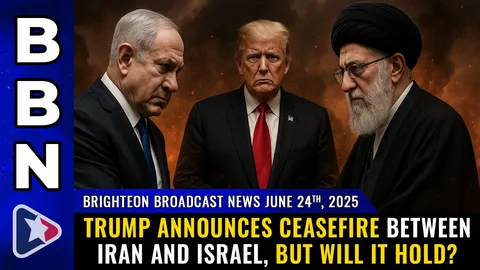

The Iran war began on February 28, 2026, when the United States and Israel launched joint air strikes on Iran following the breakdown of diplomatic negotiations. The conflict quickly escalated into a full-scale regional crisis, drawing in multiple nations and disrupting global energy markets.
The 2026 Iran war began with a series of attacks by the United States and Israel against Iran on February 28, 2026, following the breakdown of US-Iran talks and negotiations.
Within hours of the initial strikes, Iran retaliated with waves of missiles and drones targeting Israel and US military bases across the Middle East. The Israel-Iran war that followed pushed the entire region to the edge of a wider catastrophe.
The 40-Day Conflict: What Happened
The Iran war news that dominated headlines for over a month was grim and fast-moving. Both sides suffered significant losses.
At least 26 Israelis were killed and more than 7,183 others wounded during the conflict, while the US military confirmed 13 fatalities from Iranian attacks across the region. At least 109 people were killed in Iraq, most of whom were members of the paramilitary group the Popular Mobilisation Forces.
According to Al Jazeera’s live tracker, explosions were heard across Iran, Israel, and several Middle Eastern states for 39 consecutive days. The Iran attack on Israel included multiple missile strikes targeting residential areas.
A missile attack in a residential area of Beit Shemesh, 18 miles from Jerusalem, struck a shelter in a synagogue, killing nine civilians and injuring dozens the largest single casualty count since the start of the conflict.
Meanwhile, Saudi Arabia, Qatar, Kuwait, and the UAE reported Iranian attacks on energy sites after Israel struck Iran’s South Pars gasfield an escalation that caused oil and gas prices to surge globally.
Trump’s Ceasefire Announcement: The Turning Point
The US Iran war live coverage reached its peak dramatic moment on the night of April 7, when Trump made a sudden announcement with less than 90 minutes left on his deadline to “destroy Iranian civilization.”
After Iran ceded to Trump’s demand to reopen the Strait of Hormuz, Trump backed down from his threat of wide-scale destruction of Iran’s civilian and military infrastructure, announcing a two-week ceasefire.
Iran agreed to a two-week ceasefire with the United States, with its National Security Council saying talks with Washington would begin in the Pakistani capital, Islamabad, on Friday, based on Tehran’s 10-point proposal.
Trump described the deal on social media: “Almost all of the various points of past contention have been agreed to between the United States and Iran, but a two-week period will allow the Agreement to be finalized and consummated.”
Pakistan’s Key Role as Mediator
One of the most significant developments in the Iran war news is Pakistan’s emergence as a crucial diplomatic broker between the two sides.
From March 22 to 23, Pakistan’s military chief Asim Munir spoke directly to Trump. By March 23, Pakistan formally offered to host talks, and PM Shehbaz Sharif echoed the offer publicly on X, tagging Trump, Iran’s Foreign Minister Araghchi, and US envoy Witkoff.
Pakistan PM Shehbaz Sharif welcomed the ceasefire, saying both parties had “displayed remarkable wisdom,” and invited delegations from both countries to Islamabad on April 10 to negotiate a conclusive agreement.
White House Press Secretary Karoline Leavitt confirmed that Trump was sending a negotiating team led by Vice President JD Vance to Islamabad.
Israel-Iran War: Lebanon Remains a Flashpoint
Even as the Iran war ceasefire took hold, the Israel-Iran war dynamic continued through Lebanon. This has emerged as a major threat to the fragile peace deal.
Israel launched its largest strike yet on Hezbollah in Lebanon which is not covered by the ceasefire and Iranian state media signaled Tehran could again restrict access to the Strait of Hormuz as fighting in Lebanon continued.
Al Jazeera reported that Israel killed 254 people in Lebanon on April 8, the same day the US-Iran ceasefire was announced.
Israeli PM Benjamin Netanyahu said Israel wants direct negotiations with Lebanon on disarming Hezbollah and establishing peaceful relations, but stated there is currently no ceasefire in place in Lebanon.
Expert Quotes and Reactions
The Iran war news has drawn sharp reactions from political leaders and international analysts alike.
US Senate Minority Leader Chuck Schumer blasted Trump, saying: “Trump is a military moron. His war, with a price tag of $44 billion and $4+ gas, made us worse off today than we were when he started it.”
Iran expert Trita Parsi offered a more measured view, telling Al Jazeera: the potential talks in Islamabad could fail, “but the terrain has shifted,” adding that Trump’s use of force had “blunted the credibility of American military threats.”
An analyst speaking to Al Jazeera on the Islamabad talks warned: “Lack of trust is the biggest obstacle. Right now, both Washington and Tehran are trying to demonstrate that they ‘won’ by making maximalist demands.”
Global and Regional Impact
The Iran war and the US Iran war live updates have had severe consequences far beyond the battlefield.
The closure of the Strait of Hormuz triggered a global energy crisis. Iran’s partial blockade of the strait imposed in the aftermath of the US and Israel’s attacks on February 28 disrupted global trade, drove up oil prices, and caused widespread economic damage.
At least 1,497 people have been killed since the war erupted, including 57 health workers, according to Lebanese authorities.
Nations across South Asia, Africa, and Europe faced soaring fuel costs, inflation, and supply chain disruptions. The Israel news and Iran war news cycles dominated global media for weeks, as the world watched the conflict unfold in real time via Al Jazeera, CNN, and other major outlets.
Conclusion: What Comes Next
The Islamabad peace talks beginning April 10 represent the most significant diplomatic moment in the Iran war news cycle so far. The outcome will shape not just US-Iran relations, but the broader Middle East and global energy landscape.
Iran’s ambassador to Islamabad signaled that Tehran views continued Israeli strikes as an attempt to derail negotiations, while Lebanon is emerging as the central faultline of any lasting peace deal.
The immediate next step is the start of negotiations in Islamabad, where US and Iranian officials are expected to meet under Pakistani mediation with Iran citing Trump’s 10-point plan as a basis for negotiation.
The world from Washington to Tehran, from Tel Aviv to Islamabad is watching closely. Whether this ceasefire holds or collapses will determine whether the 2026 Iran war becomes a cautionary tale or a turning point in Middle Eastern history.
FAQs
Who lost more, Iran or Israel?
Based on available Iran war news and Al Jazeera reporting, Iran suffered significantly greater infrastructure and territorial damage due to sustained US and Israeli air strikes over 40 days. Israel faced missile and drone attacks resulting in at least 26 deaths and over 7,000 wounded. Iran’s losses in terms of military, nuclear, and energy infrastructure were far more extensive, though full casualty figures from inside Iran remain difficult to independently verify.
Who ended the war between Israel and Iran?
The two-week ceasefire was brokered primarily through Pakistan’s diplomatic efforts. Pakistan PM Shehbaz Sharif and military chief Asim Munir played a pivotal backchannel role. US President Donald Trump announced the truce after Iran agreed to reopen the Strait of Hormuz. Iran’s Foreign Minister Abbas Araghchi confirmed the ceasefire from Tehran’s side.
Who started the Iran war in 2026?
The United States and Israel launched joint air strikes on Iran on February 28, 2026, following the collapse of diplomatic negotiations between Washington and Tehran. This marked the formal beginning of the 2026 Iran war, according to Al Jazeera, NPR, CNN, and other major news sources.