


Iran War Economic Impact Alarms Global Financial Institutions
The International Monetary Fund has issued a stark warning that the Iran war economic impact is casting a dark shadow over the global economic outlook. According to the IMF all roads stemming from the ongoing conflict lead to higher prices and slower growth for economies around the world. The Iran war economic impact is being felt across energy markets, trade routes, and investor confidence simultaneously making it one of the most serious economic threats of 2026.
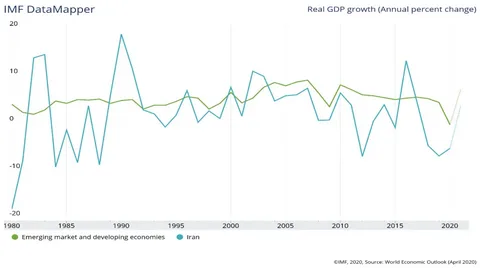
Background: Why the Iran War Economic Impact Is So Significant
Iran occupies one of the most strategically critical positions in the global economy. It sits at the heart of Middle Eastern energy production and controls access to the Strait of Hormuz through which a significant portion of the world’s oil supply passes daily. Any disruption to this region creates an immediate Iran war economic impact that ripples outward to every corner of the global economy.
The Iran economy collapse fears have been growing for months as sanctions, internal instability, and military conflict have placed enormous pressure on Iranian financial systems. At the same time the Iran war impact on US economy has become a central concern for American policymakers who are watching energy prices and inflation indicators closely.
Details: What the IMF Said About Iran War Economic Impact
The IMF stated clearly that the Iran war economic impact presents multiple downside risks to global growth. Rising oil prices driven by supply disruptions, increased shipping costs due to Red Sea tensions, and falling investor confidence are among the primary channels through which the Iran war economic impact is spreading globally.
The IMF warned that emerging market economies are particularly vulnerable to the Iran war economic impact as they tend to be net importers of oil and have less fiscal capacity to absorb rising energy costs. Developed economies including the United States are also facing serious consequences from the Iran war impact on US economy through inflation, supply chain disruptions, and financial market volatility.
Iran Economy Collapse Adds to Global Uncertainty
The prospect of an Iran economy collapse is adding another layer of complexity to the global economic picture. Years of crippling sanctions combined with the costs of military conflict have severely weakened Iran’s financial system. An Iran economy collapse would send shockwaves through regional trade networks and could trigger a refugee and humanitarian crisis that further burdens neighbouring economies.
The Iran economy collapse risk is being monitored closely by international financial institutions including the IMF and World Bank. Analysts warn that an Iran economy collapse would not remain a contained regional event but would have significant spillover effects on global commodity markets and geopolitical stability.
Iran War Impact on US Economy Growing
The Iran war impact on US economy is becoming increasingly visible in several key sectors. Energy prices have risen sharply as markets price in the risk of prolonged conflict and potential supply disruptions from the Persian Gulf region. The Iran war impact on US economy is also being felt in defence spending, stock market volatility, and consumer confidence.
American businesses with supply chains running through the Middle East are particularly exposed to the Iran war impact on US economy. Shipping costs have surged and insurance premiums for vessels operating near the conflict zone have increased dramatically. The Iran war impact on US economy is expected to worsen if the conflict escalates further and draws in additional regional or global powers.
Oil Markets at Centre of Iran War Economic Impact
Oil markets remain the primary transmission channel for the Iran war economic impact. Any threat to oil production or transportation in the region sends immediate shockwaves through global energy prices. The Iran war economic impact on oil has already pushed prices higher creating inflationary pressure in economies that were still recovering from previous price surges.
The Iran economy collapse scenario could paradoxically reduce Iranian oil output further tightening global supply. Combined with the broader Iran war economic impact on shipping and trade this creates a perfect storm for sustained higher energy prices worldwide.
Expert Quotes on Iran War Economic Impact
The IMF stated that the Iran war economic impact represents one of the most significant downside risks to the global economic outlook in 2026. Fund officials emphasised that the combination of higher oil prices, slower trade, and reduced investor confidence creates conditions where growth projections across multiple regions must be revised downward.
Leading economists analysing the Iran war impact on US economy warned that if conflict intensifies American consumers could face significantly higher fuel and goods prices throughout the remainder of the year. Analysts tracking Iran economy collapse indicators noted that the situation inside Iran has deteriorated to a point where economic stabilisation without a ceasefire appears increasingly unlikely.
Impact: How Iran War Economic Impact Is Affecting the World
The Iran war economic impact is being felt differently across regions but no major economy is entirely insulated. Asian manufacturing economies dependent on Middle Eastern oil are facing severe cost pressures. European nations are dealing with energy security concerns reminiscent of recent supply shocks. Developing nations in Africa and South Asia are struggling most acutely with the Iran war economic impact as their limited foreign exchange reserves are stretched by rising import bills.
The Iran war impact on US economy while significant is cushioned somewhat by America’s own oil production capacity. However the Iran war impact on US economy through financial markets, inflation, and global demand slowdown remains a serious concern for the Federal Reserve and Treasury Department.
The Iran economy collapse risk heightens all of these pressures by introducing the possibility of sudden and unpredictable disruptions to regional stability and oil supply chains.
Conclusion: Navigating the Iran War Economic Impact
The IMF’s warning that all roads lead to higher prices and slower growth captures the essence of the Iran war economic impact on the global economy. From the risk of Iran economy collapse to the direct Iran war impact on US economy the financial consequences of this conflict are broad, deep, and interconnected.
Policymakers around the world must act urgently to cushion their economies against the Iran war economic impact through strategic energy reserves, fiscal support measures, and diplomatic efforts aimed at de-escalation. The longer the conflict continues the more severe and lasting the Iran war economic impact on global growth and living standards will become.
FAQs
How Does War Affect the Economy?
War affects the economy through multiple channels all of which are visible in the current Iran war economic impact. Rising defence spending diverts resources from productive economic activity. Supply chains are disrupted leading to shortages and higher prices. Investor confidence falls causing reduced business investment and financial market volatility. Energy prices spike when conflicts occur in oil-producing regions as seen with the Iran war economic impact today. The Iran economy collapse risk also demonstrates how prolonged conflict can destroy a nation’s productive capacity and financial system entirely.
Is Iran Struggling Economically?
Yes Iran is facing severe economic difficulties that have been significantly worsened by the ongoing conflict. The Iran economy collapse risk is real as decades of sanctions have already crippled key sectors of the Iranian economy. Inflation, currency devaluation, unemployment, and reduced oil export revenues have all combined to create conditions where an Iran economy collapse cannot be ruled out. The Iran war economic impact has accelerated these existing pressures making economic recovery increasingly difficult without a resolution to the conflict.
Will the Iran War Affect Fuel?
Yes the Iran war economic impact on fuel prices is already significant and could worsen considerably. Iran sits adjacent to the Strait of Hormuz through which a large share of global oil supplies travel daily. Any disruption to this critical shipping lane would immediately intensify the Iran war economic impact on global fuel prices. The Iran war impact on US economy is already partly visible in rising gasoline prices at home. If the Iran economy collapse scenario materialises or if the conflict escalates to block key shipping routes fuel prices worldwide could rise to levels not seen in recent years.