Seafarers trapped Middle East war have flooded maritime welfare helplines with distress calls — with crew members aboard vessels stranded in Gulf anchorages sheltering in Strait of Hormuz approaches and attempting dangerous transits through active war zones reporting conditions that maritime welfare organisations describe as among the most severe humanitarian situations the global seafaring community has faced since the height of Somali piracy more than a decade ago.
Seafarers trapped Middle East war crisis has produced a specific and deeply human dimension to the Iran war’s maritime consequences that the oil price headlines and QatarEnergy force majeure declarations have overshadowed — with an estimated tens of thousands of merchant mariners from dozens of nations including significant numbers of Pakistani Bangladeshi Indian Filipino and Egyptian seafarers finding themselves trapped in one of the world’s most dangerous maritime environments with limited communication limited legal protection and limited practical ability to leave vessels whose commercial operators have ordered them to remain on station pending insurance and routing decisions.
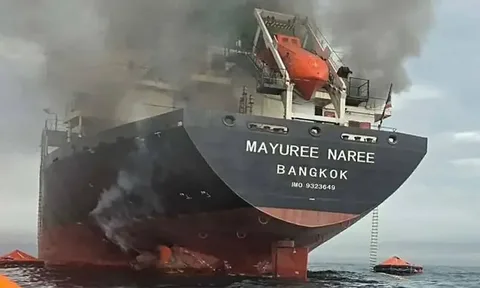
Sea fight war has transformed the Strait of Hormuz and Gulf waters from one of the world’s most routine commercial shipping environments into an active combat zone whose dangers include Iranian drone boats sea mines ballistic missile fragments and the secondary hazards of burning oil infrastructure fires that have degraded air quality across an enormous area — with seafarers bearing the direct human cost of a conflict they had no part in causing and no power to end.
Background: Seafarers and the Gulf Crisis
Who Are the Seafarers Trapped
Seafarers trapped Middle East war are the invisible workforce of global trade — the approximately 1.9 million merchant mariners worldwide whose labour keeps the global economy functioning by moving the oil gas food and manufactured goods that countries depend on between the ports that connect the global trading system.
Seafarers trapped Middle East war specific population in the Gulf region at the time of the Iran war’s outbreak numbered in the tens of thousands — with the approximately 400 commercial vessel operations per day that normally transit the Strait of Hormuz representing crew complements ranging from 12 to 30 persons per vessel across tankers bulk carriers container ships and LNG carriers.
Seafarers trapped Middle East war nationality breakdown reflects the global maritime labour market’s concentration in specific nations — with the Philippines Bangladesh India Pakistan China and Indonesia collectively supplying the majority of the world’s seafaring workforce. In the Gulf maritime context Pakistan’s contribution is particularly significant — with Pakistani seafarers representing one of the largest national groups aboard Gulf-transiting vessels and with Pakistan’s seafarer community having strong historical connections to Gulf maritime trade.
Seafarers trapped Middle East war legal status reflects the specific vulnerability of seafarers as workers — with merchant mariners being employed under contracts that place them aboard specific vessels for specific voyage periods and that create complex legal obligations about when and how they can leave a vessel during operational emergencies that go well beyond the simple freedom of movement that land-based workers possess.
The Helpline Response
Seafarers trapped Middle East war helpline activation reflects the maritime welfare infrastructure that organisations including the International Transport Workers Federation — ITF — Mission to Seafarers Stella Maris and Sailors’ Society have developed for exactly these kinds of maritime humanitarian emergencies — with welfare officers in ports across the region receiving an extraordinary volume of distress communications from seafarers aboard stranded or endangered vessels.
Seafarers trapped Middle East war helpline call nature varies — with some seafarers seeking practical information about routing safety and vessel departure options while others are seeking emotional support and family communication assistance that their vessel’s limited communications infrastructure does not provide and that isolation from family during an active war zone maritime emergency makes essential.
Seafarers Trapped Middle East War — Scale of the Crisis
How Many Seafarers Are Affected
Seafarers trapped Middle East war scale assessment requires distinguishing between several categories of affected seafarers — with different levels of immediate danger and different support needs depending on their vessel’s location and operational status.
Seafarers trapped Middle East war category 1 — vessels stranded at anchor in Gulf anchorage areas. These seafarers are aboard vessels whose commercial operators have ordered them to remain at anchorage pending insurance routing and commercial decisions about whether to attempt Strait of Hormuz transit or reroute via Cape of Good Hope. Seafarers in this category are physically safe from immediate missile and drone attack risk but are experiencing the profound psychological stress of indefinite confinement in a war zone without clear timeline for departure.
Seafarers trapped Middle East war category 2 — vessels in active Strait of Hormuz transit. These seafarers face immediate physical danger from Iranian drone boats sea mines and the secondary hazards of active military operations in the waterway. The selective Strait opening for certain vessel categories has returned some vessels to active transit but with the understanding that the security environment remains dangerous and that the insurance coverage protecting transit is limited and conditional.
Seafarers trapped Middle East war category 3 — vessels at Gulf ports loading or discharging. These seafarers are ashore in operational terms but are working in port environments that have been directly targeted by Iranian missile and drone attacks — including Bahrain’s Khalifa Bin Salman Port the UAE’s Jebel Ali and Saudi Arabia’s Jubail industrial port area — making port operations themselves a source of direct danger rather than the safe environment that port calls normally represent.
Seafarers trapped Middle East war category 4 — seafarers whose contract completion date has passed but who cannot be repatriated due to disrupted air travel from Gulf hub airports and the logistical complications of crew change operations in an active war zone environment. This category creates specific welfare obligations for ship operators who are required under international maritime law to repatriate seafarers at contract completion but who are practically unable to do so given the current operational environment.
Sea Fight War — The Maritime Threat Landscape
What Seafarers Are Facing
Sea fight war in the Strait of Hormuz and Gulf waters has created a maritime threat environment of unprecedented complexity for commercial seafarers — combining Iranian drone boat attacks sea mine deployment ballistic missile threats and the secondary hazards of burning oil infrastructure in ways that no single seafarer training programme adequately prepares crew for.
Sea fight war Iranian drone boat threat to commercial vessels is the most operationally significant immediate danger — with IRGC unmanned surface vessels targeting commercial shipping in ways that give crew members essentially no warning and very limited defensive options. The drone boat attacks confirmed in the conflict’s first weeks — in which 6 commercial and military vessels were struck — have created a baseline of genuine physical danger for every vessel transiting Gulf waters regardless of their nationality cargo or commercial relationships.
Sea fight war sea mine threat creates the most persistent and psychologically draining danger — because sea mines cannot be detected through conventional seamanship observation and their presence creates an omnipresent threat that seafarers cannot see or respond to through normal maritime vigilance. The knowledge that sea mines may be present in shipping lanes that vessels must transit creates a form of sustained psychological stress that maritime welfare organisations compare to the most severe occupational mental health challenges in any industry.
Sea fight war ballistic missile fragment danger has been documented in multiple Gulf port incidents — with the debris from intercepted Iranian missiles and the structural damage from missiles that penetrated air defence systems creating secondary hazards for seafarers in port environments and coastal anchorage areas that were not themselves directly targeted but were within the lethal radius of nearby military engagement.
Sea fight war oil infrastructure fire smoke has created air quality hazards across the Gulf region — with the refinery fires at Iranian Aramco Saudi and Gulf nation industrial facilities generating smoke columns that satellite imagery shows extending hundreds of kilometres from their source and that have created respiratory hazards for seafarers aboard vessels downwind from active fire zones.
Pakistani Seafarers — A Nation Most Exposed
Pakistan’s Seafaring Community and the Gulf Crisis
Seafarers trapped Middle East war Pakistani dimension reflects Pakistan’s extraordinary exposure to the Gulf maritime crisis — with Pakistan being one of the world’s most significant seafarer-supplying nations and the Gulf region being the primary operational area for a large proportion of Pakistani merchant mariners.
Seafarers trapped Middle East war Pakistani seafarer numbers in the affected area are estimated at several thousand — with Pakistani crew members serving aboard tankers bulk carriers and other vessel types that operate regularly in Gulf waters and that are among the most directly affected by the Strait of Hormuz closure and the Iranian drone boat and sea mine threat.
Seafarers trapped Middle East war Pakistani economic dimension extends beyond the individual seafarers to their families and communities — with Pakistani maritime remittances representing a significant component of Pakistan’s foreign exchange earnings and the disruption of normal Gulf maritime operations reducing the remittance flows that Pakistani seafarer families depend on for their household income.
Seafarers trapped Middle East war Pakistani government response has included activation of the Pakistan Seafarers’ Welfare Board — the government body responsible for protecting the interests of Pakistani merchant mariners abroad — and coordination between the Ministry of Maritime Affairs and Pakistani diplomatic missions in Gulf states to provide consular support to trapped Pakistani seafarers.
Seafarers trapped Middle East war Pakistani families’ welfare has been the most visible domestic dimension of the Gulf maritime crisis in Pakistan — with Pakistani maritime welfare organisations and seafarer unions receiving increasing contact from the families of trapped seafarers seeking information about their relatives’ safety and the timeline for their return.
Seafarers Training Center Karachi — Preparing for Danger
How Karachi’s Maritime Training Is Responding
Seafarers training center Karachi has become a focal point for discussion about whether Pakistan’s maritime training infrastructure adequately prepares seafarers for the kind of war zone maritime emergency that the Gulf crisis represents — with maritime educators trainers and industry stakeholders examining the gap between the standard training curriculum and the specific survival and crisis management skills that sea fight war conditions require.
Seafarers training center Karachi institutional context includes the Pakistan Marine Academy — PMA — the primary institution for training Pakistani merchant marine officers alongside multiple approved training institutions that provide the STCW — Standards of Training Certification and Watchkeeping — certified courses that international maritime law requires for seafarer certification.
Seafarers training center Karachi standard curriculum includes the International Safety Management course fire fighting and survival techniques basic safety training and the specific endorsements required for different vessel types and trade areas. These programmes prepare seafarers for the maritime emergencies most commonly encountered in peacetime commercial shipping — fire flooding collision and grounding — but do not systematically address the specific threats that sea fight war environments create.
Seafarers training center Karachi war zone preparedness gap has been identified by maritime educators as requiring urgent curriculum development — with the Iran war having demonstrated that the Gulf the world’s most important oil shipping corridor can transition from a routine commercial sailing environment to an active sea fight war zone within hours — requiring seafarers to apply crisis management skills for which standard STCW training provides no specific preparation.
Seafarers training center Karachi proposed additions to the curriculum being discussed within Pakistan’s maritime education community include basic knowledge of military threat identification — recognising drone boat approaches missile impact patterns and sea mine avoidance procedures. Psychological resilience training for sustained high-stress operational environments. Emergency communication procedures specific to military conflict zones. War zone crew welfare management for senior officers responsible for crew wellbeing during extended dangerous operational periods.
Helplines — Who Is Responding
Maritime Welfare Organisations in Action
Seafarers trapped Middle East war helpline response has activated every major maritime welfare organisation operating in the Gulf region — with the International Transport Workers Federation’s 24-hour seafarer helpline the Mission to Seafarers’ port chaplaincy network and the ITF Inspectors based in Gulf ports all reporting extraordinary demand for their services since the Iran war began.
Seafarers trapped Middle East war ITF response has included the activation of emergency protocols that allow the ITF to intervene on behalf of seafarers whose human rights including the right to repatriation at contract completion are being violated by ship operators using the war emergency to retain crew beyond their contractual obligations. The ITF’s legal authority under collective bargaining agreements covering a significant proportion of the global merchant fleet gives it practical tools to compel ship operators to honour their seafarer welfare obligations even in extraordinary circumstances.
Seafarers trapped Middle East war Mission to Seafarers response has focused on the pastoral and psychological welfare dimension — with the organisation’s chaplains and welfare officers providing the human connection and emotional support that seafarers isolated in a war zone maritime environment need alongside the practical assistance that ITF and government consular services provide.
Seafarers trapped Middle East war Pakistani welfare organisation response includes the Pakistan Seafarers’ Mutual Benefit Society and the Pakistan Merchant Navy Officers Association — both of which have activated emergency support protocols for their members trapped in Gulf waters and established communication channels for families seeking information about specific seafarers.
Quotes on Seafarers Trapped Middle East War
ITF Seafarers Section Secretary David Heindel stated that the seafarers trapped Middle East war crisis represented the most severe humanitarian emergency for the merchant seafaring community since the height of Somali piracy — adding that tens of thousands of seafarers were currently enduring conditions ranging from indefinite anchorage confinement to active war zone transit that no worker in any other industry would be expected to tolerate and that the maritime industry and its governments owed these seafarers immediate and concrete support.
Mission to Seafarers Chief Executive Sarah Gillespie described the volume of distress communications being received through the organisation’s helplines as unprecedented — adding that seafarers were calling not just for practical assistance but for human connection with someone who acknowledged the extraordinary and terrifying circumstances they were enduring and that the psychological welfare needs of trapped seafarers would persist long after the physical danger had passed.
A Pakistani seafarer speaking through the ITF helpline from a vessel anchored off Bahrain stated that his contract had ended 3 weeks ago and that his operator had told him there were no crew change options available and that he simply had to wait — adding that he had not been able to speak to his family in Karachi for days due to communications disruption and that he was frightened not just for himself but for his family who did not know if he was alive.
Pakistan Maritime Affairs Minister Qaiser Ahmed Sheikh confirmed the government was tracking the situation of Pakistani seafarers trapped Middle East war — stating that the Pakistan Seafarers’ Welfare Board had been activated and that Pakistani diplomatic missions in Bahrain Qatar UAE Saudi Arabia and Kuwait had been directed to provide consular support to Pakistani seafarers requiring assistance.
A senior seafarer welfare officer at the International Chamber of Shipping stated that the sea fight war conditions in the Gulf had created crew welfare obligations that ship operators were struggling to meet — adding that the industry needed government-level coordination to address the repatriation backlog for seafarers whose contracts had expired and who had a clear legal right to return home that the current operational environment was preventing from being honoured.
Impact: Seafarers Trapped Middle East War Consequences
For Individual Seafarers
Seafarers trapped Middle East war immediate physical danger is the most acute consequence — with seafarers aboard vessels transiting the Strait or anchored in Gulf waters facing genuine risk of death or injury from Iranian drone boat attacks sea mines ballistic missile fragments and the secondary hazards of burning oil infrastructure.
Seafarers trapped Middle East war psychological impact is the consequence that will persist longest — with the sustained high-stress environment of war zone maritime operations creating mental health consequences including PTSD anxiety and depression that maritime welfare organisations expect to manage for months and years after the physical danger has passed.
Seafarers trapped Middle East war economic impact affects both individual seafarers — through disrupted contracts delayed repatriation and the specific financial consequences of extended confinement in a war zone — and their families back home whose remittance income has been disrupted by the operational complications the sea fight war environment has created.
For Global Shipping
Seafarers trapped Middle East war manning crisis dimension reflects the broader consequence for global shipping of a situation in which seafarers are unwilling to sign contracts for Gulf voyages — creating crewing shortages on vessels that operators need to resume Gulf operations as soon as the security environment permits but that they cannot crew without addressing the welfare and safety concerns that the sea fight war experience has generated.
Seafarers trapped Middle East war insurance premium dimension includes the specific seafarer personal accident and liability insurance increases that war zone operations trigger — adding to vessel operating costs in ways that compound the commercial disruption of routing changes and reduced operations.
For Pakistani Maritime Industry
Seafarers training center Karachi curriculum development consequence of the sea fight war experience represents the most constructive long-term impact — with Pakistan’s maritime education community having concrete and urgent grounds for developing the war zone preparedness training that the Iran war has demonstrated is needed.
Pakistani seafarer welfare system capacity consequence reflects the extraordinary demand that the Gulf crisis has placed on Pakistan’s maritime welfare infrastructure — demonstrating both the system’s responsiveness and the gaps in its capacity that sustained crisis of this magnitude exposes.
Frequently Asked Questions
What Countries Are at War in the Middle East?
The primary parties to the current Middle East war are the United States and Israel on one side — who launched coordinated strikes on Iran on February 28 2026 — and Iran on the other — who has responded with multi-front retaliation. The conflict has drawn in multiple additional countries as targets of Iranian retaliation or hosts of US military operations. Gulf Cooperation Council member states including Saudi Arabia UAE Bahrain Qatar Kuwait and Jordan are hosting US military installations from which strikes on Iran are being coordinated and have been targeted by Iranian missile and drone attacks. Lebanon is involved through the Israel-Hezbollah operations running parallel to the main US-Israel-Iran conflict. The conflict’s maritime dimension in the Strait of Hormuz affects every country that imports or exports oil through the waterway — making the sea fight war consequences felt across virtually the entire global economy even in nations with no direct military involvement.
Which Countries Are Affected by the Iran War?
Countries affected by the Iran war extend far beyond the immediate military parties to encompass virtually every nation in the global economy through the energy price energy supply and shipping disruption consequences of the conflict. Most directly affected militarily are the United States Israel Iran Bahrain UAE Qatar Saudi Arabia Kuwait Jordan and Lebanon. Most directly affected economically through energy supply disruption are European nations dependent on Gulf LNG — particularly the UK Germany France Italy and Belgium — and Asian energy importers including China Japan South Korea Taiwan and India. Seafarers trapped Middle East war affected nations include those supplying merchant mariners to the Gulf trade — with Pakistan Philippines Bangladesh India Indonesia and Egypt all having significant numbers of seafarers directly exposed to the sea fight war conditions in Gulf waters. Nations affected through food security — given the oil price impact on fertiliser production and agricultural logistics — include virtually every developing nation where food prices are sensitive to energy cost increases.
Which Two Countries Are Currently at War?
Multiple countries are currently engaged in active military conflict making the which two countries question difficult to answer simply. The core military confrontation is between the United States and Israel on one side and Iran on the other — making the central belligerent pairing US-Israel versus Iran rather than a simple two-country war. Israel is simultaneously conducting parallel military operations against Hezbollah in Lebanon — making Israel-Lebanon a second active conflict dimension. Iran is conducting retaliation attacks against 6 Gulf states — Saudi Arabia UAE Bahrain Qatar Kuwait and Jordan — making its conflict with these nations an additional active military dimension even though none of these countries has declared war on Iran. The sea fight war dimension involves Iranian attacks on international commercial shipping in the Strait of Hormuz — affecting seafarers trapped Middle East war of dozens of nationalities whose vessels have been attacked regardless of their flag state or cargo.
Conclusion
Seafarers trapped Middle East war are the human face of a conflict whose geopolitical and economic dimensions have dominated the headlines while the tens of thousands of merchant mariners enduring its consequences in Gulf anchorages and Strait of Hormuz transits have received a fraction of the attention their situation demands.
Sea fight war has transformed the professional environment of seafarers who signed up to move cargo across the world’s most important trade corridor — not to serve in a combat zone whose dangers include drone boat attacks sea mines and ballistic missile fragments that no seafarer training centre Karachi or anywhere else has adequately prepared them for.
The helplines are buzzing with the voices of seafarers trapped Middle East war who need more than practical assistance — they need acknowledgment that what they are enduring is extraordinary that their courage in continuing to operate under these conditions is genuine and that the global economy whose functioning depends on their labour owes them a debt of care that maritime welfare organisations alone cannot discharge.
The oil markets the QatarEnergy force majeure and the Hormuz transit talks dominate the energy security conversation. But behind every tanker in that conversation is a crew of human beings enduring a sea fight war that nobody warned them was coming and that nobody has yet found a way to end.