
(Publish from Houston Texas USA)
(By: Brig Sadiq Rahi Sitara E Imtiaz (Military), Retired)
India’s recent outburst at the United Nations—accusing Pakistan of “trade and transit terrorism’’—is yet another stark reminder of New Delhi’s chronic obsession with blaming Pakistan for every regional development it cannot understand or control. The Indian representative at the UN, Parvathaneni Harish, tried to portray Pakistan’s border management decisions as aggression against Afghanistan. The truth, however, is simple: once again, India is projecting its own failures, insecurities, and state-sponsored destabilization tactics onto Pakistan.
For decades, India has never missed an opportunity to target Pakistan, no matter how implausible the accusation. This latest claim is no different—politically motivated, strategically hollow, and factually baseless.
India Must Look Inward First: The Hindutva and Akhand Bharat Reality
Before lecturing Pakistan on trade norms, India must take a long, hard look at its own record:
Hindutva-Driven State Policies
India’s ruling ideology—Hindutva—has institutionalised state coercion, discrimination, and persecution. From cow-vigilante lynch mobs to discriminatory citizenship laws, the BJP’s ideological DNA leaves little moral ground for preaching about human rights or humanitarian access.
Akhand Bharat Fantasies
India’s expansionist rhetoric under the so-called “Akhand Bharat Doctrine’’ has fueled regional apprehensions. When a country openly publishes maps including neighbouring states as part of its imagined empire, its complaints about “aggression’’ reek of hypocrisy.
Internal Turmoil and Separatist Movements
Insurgencies continue to rage in multiple states—including Manipur, Nagaland, Assam, and Kashmir—where Indian security forces face accusations of atrocities, disappearances, and illegal detentions.
Brutality in Occupied Kashmir
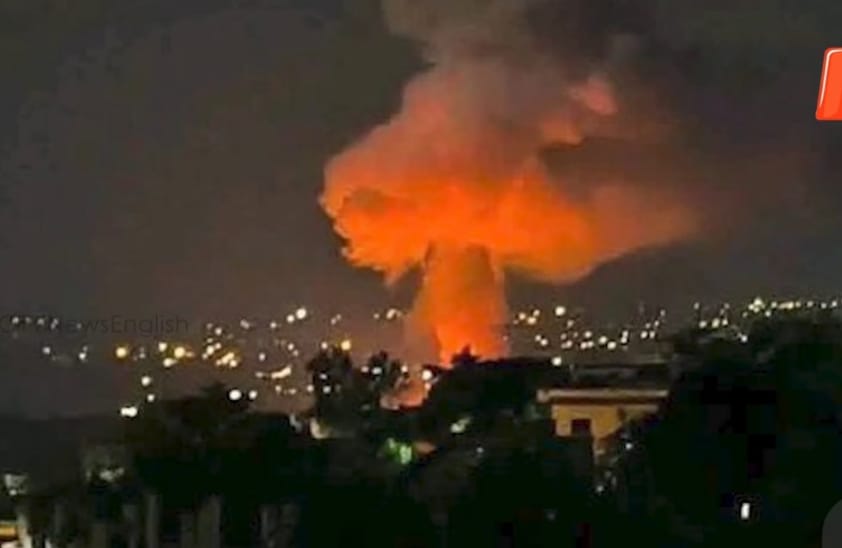
The world has documented pellet gun blinding, mass graves, demographic engineering, communication blackouts, and systematic suppression of basic freedoms. India remains the only country to have turned a disputed territory into the most militarized zone on Earth.
Treatment of Minorities
Christian communities, Dalits, Sikhs, and Muslims are all facing unprecedented discrimination, violence, and targeted marginalisation. Closure of Sikh gurdwaras, denial of visas to Sikh pilgrims, and restrictions on their religious festivals highlight India’s suffocation of minority rights. With such an alarming domestic record, India’s sudden concern for “Afghan women and children’’ is nothing more than opportunistic political theatre.
Why India’s UN Statement Rings Hollow
India alleged that Pakistan’s temporary closure of certain transit routes for Afghanistan constitutes “trade and transit terrorism.’’ This allegation collapses under factual scrutiny:
⦁ A Baseless Accusation

Pakistan has not targeted any civilian population. Its actions have been strictly security-driven, aimed at dismantling cross-border terrorism—especially the Tehreek-e-Taliban Pakistan (TTP) sanctuaries operating freely from inside Afghanistan.
⦁ Security Over Smuggling
⦁ Transit trade routes were being massively abused for:
⦁ unchecked smuggling
⦁ flooding Pakistani markets with untaxed goods
⦁ zero revenue generation
⦁ enabling terrorist facilitations under the cover of commercial movement
⦁ Pakistan’s decision to regulate these routes was an economic and security necessity.
⦁ Pakistan’s Consistent Demand to Kabul
Islamabad has repeatedly urged the Taliban Government to:
⦁ expel TTP militants, or
⦁ hand them over to Pakistan
⦁ But Kabul has failed to act. Pakistan cannot—and will not—allow terrorists to exploit its goodwill.
⦁ Refugees Without Documents
Undocumented individuals have been repatriated. All registered or visa-holding Afghan citizens can stay in Pakistan for a prescribed duration. India’s attempt to twist these security measures into “terrorism’’ is absurd.
⦁ India’s Real Frustration: Regional Isolation and Diplomatic Failures
Behind India’s loud rhetoric is a deeper insecurity. India today stands diplomatically exposed and strategically embarrassed:
Operation Sindoor and Pakistan’s Iron-Clad Response

Pakistan’s decisive operations against India destroyed five Rafales, one Mirage, and Batteries S- 400! Air Defence System, Brigade and Battalion Headquarters, destroying ammunition dumps and other military targets successfully embarrassed India and exposed it’s military weaknesses across the world.
- Tejas Crash at Dubai Air Show
The collapse of India’s flagship indigenous fighter program, right before international buyers, was a humiliating blow. - Western Reluctance to Supply Defence Equipment
India’s drift away from democratic values and rising authoritarianism have raised major concerns in Western capitals. Arms suppliers are no longer willing to offer cutting-edge systems. - Putin’s Visit Yielding No Strategic Gains
Despite grand Indian boasts, the visit failed to produce any significant defence or energy breakthrough. - Pakistan’s Closure of Airspace
Whenever Pakistan closes its airspace, India faces massive economic and operational costs. This remains a painful reminder of India’s geographical dependency. All of this has pushed India into a desperate search for relevance, using the UN platform to regain lost diplomatic ground by punching Pakistan.
India’s Dark Afghan Footprint: The Real Interference
India has spent billions of dollars in Afghanistan—not for altruism, but for strategic leverage against Pakistan.
This included: - A chain of Indian consulates near the Pakistan border
These posts served as hubs for anti-Pakistan intelligence operations. - Direct support to BLA, TTP, and other anti-Pakistan militants (Fitana Al Khawaraj and Finna al.Hindustan)
Multiple dossiers, testimonies, and captured intelligence assets confirm India’s:
⦁ funding
⦁ training
⦁ arming
⦁ and guiding
above terrorists and anti-state elements that have repeatedly targeted Pakistan. - Failed Narrative Building
From Pahalgam to Balakot, India has frequently blamed Pakistan for incidents without producing any evidence, using media theatrics instead of facts.
The accusation of “transit terrorism’’ is simply another chapter in this tired pattern.
Pakistan’s Position: Clear, Responsible, and Evidence-Based
Pakistan has:
⦁ targeted only terrorist sanctuaries
⦁ avoided civilian areas
⦁ enforced border regulations
⦁ acted under international law
⦁ repatriated Afghan refugees humanely
⦁ prioritized national security over political optics
Pakistan’s sovereign right to secure its borders is non-negotiable.
Conclusion: India’s UN Remark Is Political Theatre, Not Policy
India’s statement at the United Nations is a desperate, politically motivated attempt to distract the world from its:
⦁ human rights abuses
⦁ extremist Hindutva agenda
⦁ regional meddling
⦁ support for anti-Pakistan militants
⦁ diplomatic setbacks
Pakistan will continue to safeguard its borders, regulate its trade routes responsibly, and counter terrorism decisively—regardless of Indian propaganda. New Delhi’s hollow rhetoric cannot change the ground realities, nor can it mask the fact that India’s own policies are the biggest threat to regional peace.
Author Biography:
Brigadier (Retd) Sadiq Rahi, SI(M) is a graduate of the National Defence University, Islamabad, Command and Staff College, Quetta, and the Command and Staff College Cairo (Egypt). Over a distinguished 31-year military career, he held key command, staff, and instructional appointments. He also served as a Platoon Commander at the Pakistan Military Academy, Kakul, and as a Staff Officer (Logistics) with the United Nations Peacekeeping Mission in Somalia.
Brigadier Rahi represented Pakistan at eight international conferences under the auspices of the United Nations Office in Geneva, where he presented Pakistan’s national standards and protocols. He has also served as a guest speaker at the National University of Science and Technology (NUST), Islamabad, delivering lectures on UN and International Logistics.
Beyond his military and professional contributions, Brigadier Rahi is widely recognized as a poet and writer. His poetry, ghazals, and prose have been published in national newspapers and literary journals since his student days. He served as Editor of the college magazine Nakhlistan and later as Editor of the Pakistan Military Academy magazine Qiyadat. Presently, his columns appear regularly in Nawa-i-Waqt, The Nation, Pakistan Chronicle, Houston, USA. He continues to write actively both in Urdu and English, maintaining a strong presence on social media as well.