
ERBIL, Iraq: At least eight members of an exiled Iranian Kurdish opposition group were wounded after a drone strike targeted their camp near Erbil in Iraq’s Kurdistan region early Sunday, with the group accusing Iran of carrying out the attack.
The latest strike comes amid renewed tensions between the United States and Iran, raising concerns about further instability in northern Iraq, where US forces, foreign energy companies, and Iranian Kurdish opposition groups are based.
Drone attack targets Kurdish rebel camp
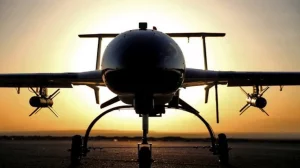
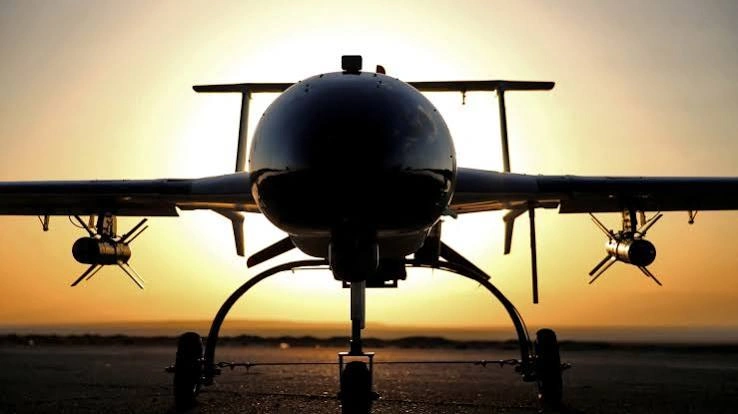
According to Adib Khaldian, a representative of the exiled Kurdistan Freedom Party (PAK), the drone strike occurred at around 2:00 a.m. local time near the group’s camp outside Erbil.
“Iranian forces attacked our camp with a drone,” Khaldian told AFP, adding that eight members of the party were injured in the strike.
No fatalities were immediately reported.
Second major attack in days
The latest incident follows another deadly attack on Friday, when drone and rocket strikes—also blamed on Iran—killed nine members of the Komala Party, another Iranian Kurdish opposition organization operating from Iraq’s Kurdistan region.
The attacks represent the most significant escalation against Iranian Kurdish rebel groups since a ceasefire was announced in April, highlighting growing regional instability.
Explosions heard across Erbil
Residents in Erbil, the capital of Iraq’s autonomous Kurdistan Region, reported hearing loud explosions before dawn as air defense systems were activated.
In recent days, the US-led anti-ISIS coalition has intercepted several explosive drones over the city, which hosts a major US Consulate, coalition military advisers, and several international oil companies.
The region has increasingly become a strategic target amid rising tensions between Washington and Tehran.
Kurdistan government condemns attacks
The Prime Minister of Iraq’s Kurdistan Region condemned the attacks and urged Iran to halt what he described as “unjustified attacks” on the autonomous region.
Officials warned that continued cross-border strikes threaten regional stability and civilian security.
US-Iran tensions fuel regional violence
The renewed violence comes after hostilities between the United States and Iran resumed following the collapse of a temporary ceasefire agreement.
During the broader Middle East conflict, Iran-backed armed groups operating under the Islamic Resistance in Iraq umbrella reportedly launched more than 600 attacks against US military facilities in Iraq in support of Tehran.
Analysts say the latest strikes indicate that northern Iraq could once again become a flashpoint in the ongoing US-Iran confrontation.