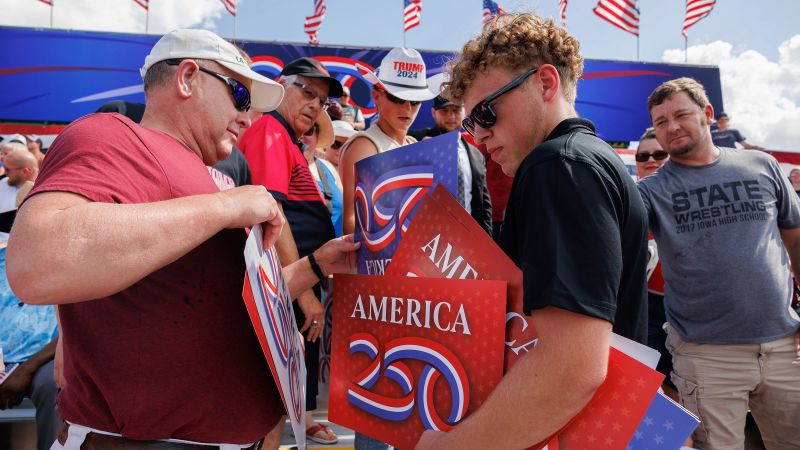
The United States of America is turning 250 years old in July 2026. This milestone called the semiquincentennial marks a quarter millennium since the signing of the Declaration of Independence on July 4, 1776. It is a moment that should belong to every American. But under President Donald Trump, the USA 250th anniversary celebrations are beginning to look less like a national tribute and more like a personal showcase.
From limited-edition passports bearing his portrait to gold-signature coins and renamed federal buildings, Trump’s branding is woven deeply into America’s 250th birthday. The question worth asking is: does this honor the republic, or overshadow it?
How Old Is the United States in 2025 and Why 2026 Matters
Many people have asked: how old is the United States in 2025? The answer is 249 years old. The country was born on July 4, 1776, making 2026 the true 250th anniversary year a once-in-a-generation milestone that historians and citizens have anticipated for decades.
The official celebrations are scheduled for July 2026, with events planned across the country. It is one of the most significant anniversaries in American history, comparable only to the 1976 US Bicentennial style celebration that marked 200 years of independence. That celebration was a defining cultural moment. This one promises to be defining too but for very different reasons.
The 1976 Bicentennial: What America Looked Like Then
To understand what is happening now, it helps to look back at the 1976 US Bicentennial style celebration. Fifty years ago, Americans came together for one of the grandest national parties in history. Fireworks lit up the skies of every major city. A fleet of tall ships sailed into New York Harbor. The Liberty Bell rang out across Philadelphia.
The 1976 Bicentennial celebration was deeply patriotic but largely apolitical. President Gerald Ford presided over the events, but no single political figure dominated the imagery. The focus was on the founding ideals liberty, democracy, and the American Revolution itself. Merchandise, coins, stamps, and commemorative items all carried symbols of the nation’s history, not any individual’s face.
The 1976 US Bicentennial gave Americans a shared sense of pride at a time when the country was still healing from Watergate and Vietnam. It was a celebration designed to unite, not to brand.
Why the Bicentennial Celebration Was So Important to America
The bicentennial celebration of 1976 mattered so deeply because it came at a moment of national doubt. The country needed to remind itself of what it stood for. The American Revolution and its founding ideals were placed front and center not as political tools, but as a collective heritage.
It was also a global statement. The world watched as the United States celebrated 200 years of self-governance. The message was clear: democracy endures, institutions hold, and the republic belongs to its people.
Now, in 2026, with American Revolution 2026 commemorations underway, those same founding ideals are again being invoked. The difference is in how and by whom.
Trump and the 250th Anniversary: What Is Actually Happening
President Trump will feature on a new, limited-edition US passport being issued to mark the country’s 250th anniversary, with his portrait, signature in gold, and elements of the Declaration of Independence incorporated into the design.
The commemorative passports will be available to US citizens applying through the Washington Passport Agency, with distribution set to begin this summer and continue while supplies last.
This is not where it ends. The United States Mint has also released draft designs for a $1 coin featuring Trump’s profile as part of the 250th anniversary commemorations, with the reverse depicting him raising a clenched fist alongside the phrase “FIGHT FIGHT FIGHT.”
This year’s national park passes display Trump’s image alongside George Washington, a departure from the programme’s traditional focus on natural landscapes.
Taken together, these moves represent something unprecedented in American Revolution 2026 planning: a sitting president embedding his personal image across nearly every commemorative channel of a major national anniversary.
A Pattern of Personal Branding on Public Institutions
The USA 250th anniversary Trump connection does not stop at passports and coins. Trump has also placed his face on government buildings around Washington, DC, in the form of long banners, and in December his name was added to the Kennedy Center just one day after his hand-picked board members voted to rename the art venue.
He has pushed Democratic Senator Chuck Schumer to rename New York’s Penn Station after him, linking the idea to the release of federal infrastructure funding, though the effort has failed to gain traction.
Last October, he tore down the White House’s East Wing to build a massive ballroom, and he has plans to build a triumphal arch in the capital, similar to the one in Paris, France.
This is not the style of the 1976 US Bicentennial style celebration. It is something new and something that a significant portion of the American public finds deeply uncomfortable.
Opinion: What This Means for the Soul of the Anniversary
This is where opinion must be stated plainly. There is a difference between a president leading a national celebration and a president making a national celebration about himself.
The 1976 Bicentennial celebration succeeded because it belonged to everyone. It was decentralized, joyful, and broadly nonpartisan. Gerald Ford did not put his face on the commemorative coins. Richard Nixon despite his love of symbols did not appear on the national park passes.
The American Revolution was a revolt against a king. It was built on the rejection of the idea that one man’s image should define a nation’s identity. The Founding Fathers whose signing of the Declaration of Independence is depicted in Trump’s very own passport design were deeply suspicious of personality cults.
There is something historically ironic about commemorating American Revolution 2026 with a gold-signature passport and a fist-pumping coin that references a campaign chant. The revolution being honored was, at its core, a declaration that no individual is larger than the republic.
As America turns 250, the celebration should inspire unity across partisan lines. The USA 250th anniversary is too important too rare, too historically significant to become a chapter in any single politician’s story. It belongs to 250 years of Americans, not to any one of them.
Global and Regional Impact
Internationally, the imagery being exported on American Revolution 2026 commemorative materials carries symbolic weight. The State Department spokesperson confirmed that specially designed passports are being prepared to commemorate this historic occasion.Those passports will be seen at borders across the world.
For allies and rivals alike, the image of a sitting US president on the country’s travel document is unusual. Most democratic nations reserve such space for national symbols flags, monuments, historical figures. A president’s face on a passport is more commonly associated with authoritarian governments than with the world’s oldest constitutional democracy.
The USA 250th anniversary was always going to be a diplomatic and cultural moment. That moment is now complicated by optics that many international observers will find unusual.
Conclusion: 250 Years Deserves More Than One Man’s Brand
The USA 250th anniversary arrives at a defining crossroads. The country that declared independence from a monarch in 1776 will celebrate that independence in 2026. The question is whether the celebration will reflect the founding ideals pluralism, collective identity, the rule of law or whether it will serve as a backdrop for one administration’s political aesthetics.
The 1976 US Bicentennial style celebration gave Americans a mirror in which they saw themselves collectively. The American Revolution 2026 events still have time to do the same. But as long as one man’s face, signature, and campaign slogans dominate the commemorative landscape, the mirror risks reflecting only one image.
Two hundred and fifty years is a remarkable achievement. America’s story messy, contested, brilliant, and unfinished deserves a celebration worthy of all of it. Not just part of it.
FAQs
What is a bicentennial celebration?
A bicentennial celebration marks the 200th anniversary of a significant historical event. In the United States, the term most commonly refers to the 1976 celebration of the 200th anniversary of American independence, declared on July 4, 1776. The word comes from the Latin “bi” (two) and “centennial” (hundred years).
What was the bicentennial celebration of 1976?
The 1976 US Bicentennial was a nationwide series of events marking America’s 200th birthday. It featured tall ship parades in New York Harbor, fireworks across all 50 states, special coins and stamps, a Liberty Bell ceremony in Philadelphia, and presidential addresses. It was widely considered one of the most successful national celebrations in American history, bringing together millions of citizens in a broadly nonpartisan spirit of patriotism.
Why was the bicentennial celebration so important to America?
The 1976 Bicentennial came at a difficult time for the United States. The country was recovering from the Watergate scandal, the end of the Vietnam War, and a period of social and political division. The celebration served as a national reset a reminder of the founding ideals of liberty, democracy, and self-governance. It gave Americans a shared moment of pride and helped restore a sense of collective national identity at a time when it was badly needed.