
Background: What Is TSW Skin Condition?
Topical Steroid Withdrawal has been described by sufferers as one of the most physically and emotionally draining skin conditions a person can experience. Yet for years, it was dismissed by many in the medical community.
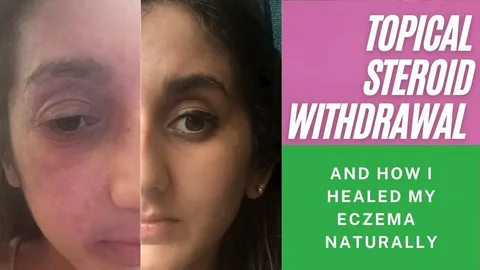
Topical steroid withdrawal, also known as red burning skin syndrome or steroid dermatitis, has been reported in people who apply topical steroids for two weeks or longer and then discontinue use. Symptoms include redness, a burning sensation, and itchiness, which may then be followed by peeling.
TSW is an emerging iatrogenic condition increasingly reported in patients following prolonged topical corticosteroid use, particularly among those with atopic dermatitis. Despite rising awareness, TSW remains controversial and under-recognized due to its lack of formal diagnostic criteria and overlap with poorly controlled atopic dermatitis.
The condition disproportionately affects people who were originally prescribed steroid creams for eczema and who then found the cure had become part of the problem.
What Causes TSW? The Science Explained
Understanding what causes TSW is critical to addressing it. Patients and doctors are increasingly asking the same question: how does a routine eczema treatment lead to such severe withdrawal?
TSW is described as a rebound effect following discontinuation of prolonged use of mid-to-high-potency topical corticosteroids. There are no definitive diagnostic criteria for this condition, and it is often misdiagnosed as a flare-up of an underlying condition or a contact allergy.
Prolonged use of stronger topical steroids can result in TSW. These are severe reactions that can occur when topical steroids, usually strong or very strong, have been used for a prolonged period usually more than a year to treat eczema. The skin becomes red, or darker than the usual skin tone depending on skin type, often in areas where the patient never had eczema before.
Proposed mechanisms of action for TSW include rebound vasodilation mediated by nitric oxide, and complex 1-mediated oxidation of NAD+, but evidence on these mechanisms remains limited.
In simple terms: the skin becomes dependent on the steroid cream. When the cream is stopped, the skin reacts violently going far beyond the original eczema symptoms.
TSW Symptoms: What Patients Experience
The TSW skin experience goes well beyond a standard rash. It can be completely life-altering, affecting work, sleep, relationships, and mental health.
TSW is a skin condition characterized by red burning, itchy, painful skin lesions, often accompanied by peeling and cracking. Patients experience sleep disturbances due to intense itching, significantly impacting their quality of life. A majority of affected individuals develop secondary bacterial infection, marked by heavy colonization of Staphylococcus aureus and alterations in the skin microbiome.
TSW, which can be painful and debilitating in nature, can lead to burning, erythema, flaking, swelling, thinning, and wrinkling of the skin. Nodules, papules, and pus-filled bumps, which are susceptible to oozing, can also occur.
Aside from physical components of TSW, patients may also experience depression, fatigue, hair loss, insomnia, and shivering.These symptoms can persist for months or even years after stopping steroid use, leaving patients struggling without clear answers or adequate medical support.
TSW Research: What New Studies Are Finding
TSW research has accelerated significantly in 2025 and 2026, giving both patients and clinicians more to work with than ever before.
In the past few years, topical steroid withdrawal has received increasing recognition from research and regulatory agencies. Delphi protocols have solidified the clinical features and treatment options recognized by clinicians, and pilot studies elucidating the mechanisms of TSW pathology have been performed. Meanwhile, regulatory bodies have updated the topical corticosteroids warning labels to include TSW.
A landmark study from the National Institutes of Health examined real patient cases up close. All 16 patients enrolled in the NIH clinical trial reported severe itch, heat and photosensitivity, erythema, skin dryness, and pain providing concrete clinical evidence of TSW’s serious impact on patients’ lives.
The US National Eczema Association designated TSW as an underrecognized serious potential side effect of topical corticosteroid use in 2022. A 2023 survey by the National Eczema Society also revealed discrepancies in patient knowledge, with 45% of respondents misclassifying the potency of topical steroid agents.
TSW Treatment: What Options Exist?
One of the most pressing questions for sufferers is: what is the TSW treatment, and does it work? The answer remains complicated, but TSW research is beginning to offer guidance.
A wide range of treatments are currently being used or studied for TSW, including pharmacologic therapies, natural products, lifestyle interventions, and alternative approaches such as acupuncture and dietary modifications. While many strategies show benefits, few are supported by rigorous clinical evidence.
Treatment involves discontinuing the use of topical steroids, either gradually or suddenly. Counselling and cold compresses may also help. Thousands of people congregate in online communities to support one another throughout the healing process, and cases have been reported in both adults and children.
What is clear is that continuing topical steroids only makes matters worse. A clear pattern rapidly emerges of topical corticosteroids aggravating the condition once TSW has set in.
Dermatologists are also stressing the importance of patient education as a TSW treatment strategy. Because the risk of TSW is linked to improper topical corticosteroid use such as applying a potent formulation to thin-skinned areas or daily use for more than two to four weeks patient education represents a key opportunity for intervention.
Expert Quotes: Doctors on TSW Skin
Medical professionals are increasingly speaking out on this issue, and their words carry weight for the millions living with eczema who rely on steroid creams daily.
Dr. Maria-Angeliki Gkini, a consultant dermatologist at Bart’s Health in London, speaking at the AAD 2026 annual meeting, told Dermatology Times: “It’s in the news, it’s on social media, on TikTok, on Instagram. Many, many patients are coming to us and they’re saying, ‘Look, doctor, I believe I have TSW.
She added: “When we as physicians and dermatologists acknowledge that TSW exists, you can see that the patients get immediately engaged.”
Dr. Peter Lio, clinical assistant professor of dermatology at Northwestern University and founding director of the Chicago Integrative Eczema Center, stressed the importance of responsible prescribing: “I think the first thing is just basic, well-accepted, sensible use of the medicines.”
A joint statement from the National Eczema Society and the British Association of Dermatologists highlighted that patients may experience fatigue or malaise for months following steroid use, which can impact emotional well-being and lead to employment absenteeism.
TSW and Eczema: A Difficult Relationship
The relationship between eczema and TSW is complicated and often misunderstood. Eczema patients are the most vulnerable group and yet they are also the most likely to be prescribed the very treatment that can lead to TSW.
Three leading dermatology experts agreed that prolonged and escalating use of topical corticosteroids without reassessment is a common risk factor of TSW. They also noted that patient communities, especially those online, have been largely helpful and instrumental in highlighting TSW for clinicians who may not be aware of its distinction from eczema.
The National Eczema Society is now funding research into TSW with the aim of improving support for patients and healthcare professionals, and has called on other research funders to do the same.
The BBC news spotlight on TSW skin stories has also helped push the conversation further into the public domain, forcing health authorities to respond.
Global and Regional Impact
TSW is not a niche issue. It affects people of all ages, ethnicities, and backgrounds across the world. Social media has become both a community lifeline and a source of misinformation.
There was a reported 274% increase in mentions of TSW between 2016 and 2020 across all social media platforms, showing how rapidly public awareness has grown.
Due to the limited research and lack of consensus on the effects and diagnosis of TSW among dermatology clinicians, patients are often led to seek assistance from online sources that may not be reputable, which may further exacerbate the burden of TSW.
In the UK, the MHRA has a dedicated reporting system. The MHRA Yellow Card scheme monitors side effects of medicines reported by patients and healthcare professionals, and those experiencing any side effects from topical steroids are encouraged to report them through this national scheme.
Conclusion: Where Is TSW Research Heading?
The future of TSW treatment and TSW research looks more hopeful than it did just a few years ago. Regulatory changes, growing clinical recognition, and increased funding are all pointing in the right direction.
Dr. Gkini told Dermatology Times: “I think this is going to be a hot topic for the next few years until we get all the answers that we want.”
Leading experts agree the path forward lies not in polarization but in transparency, understanding, and new research that takes patient-reported suffering seriously without discarding scientific rigor.
For the millions living with eczema and the growing number developing TSW skin the call is simple: more research, more awareness, and more compassion from the medical system. BBC news coverage, international TSW research, and patient advocacy are slowly but surely making that happen.
FAQs
What are the top 10 skin diseases?
The ten most commonly recognized skin diseases worldwide include eczema (atopic dermatitis), psoriasis, acne, rosacea, vitiligo, ringworm (tinea), contact dermatitis, TSW (topical steroid withdrawal), seborrheic dermatitis, and skin cancer (melanoma and non-melanoma). Many of these are chronic conditions requiring long-term management.
What are 12 skin conditions you should know about?
Twelve important skin conditions include eczema, psoriasis, acne, rosacea, vitiligo, topical steroid withdrawal (TSW), contact dermatitis, hives (urticaria), seborrheic dermatitis, ringworm, impetigo, and melanoma. Each has distinct causes, symptoms, and treatment needs. Recognizing these conditions early can significantly improve patient outcomes.
What is the African skin disease?
One commonly referenced condition in African and African-descended populations is Onchocerciasis, also known as “river blindness,” caused by a parasitic worm spread through blackfly bites. It causes severe skin itching, rashes, and lesions, and can lead to vision loss. Another widely discussed condition is Tinea versicolor, a fungal skin infection particularly visible on darker skin tones. Additionally, keloid scarring where scar tissue grows excessively is significantly more prevalent in people of African descent compared to other populations.