

(Publish from Houston Texas USA)
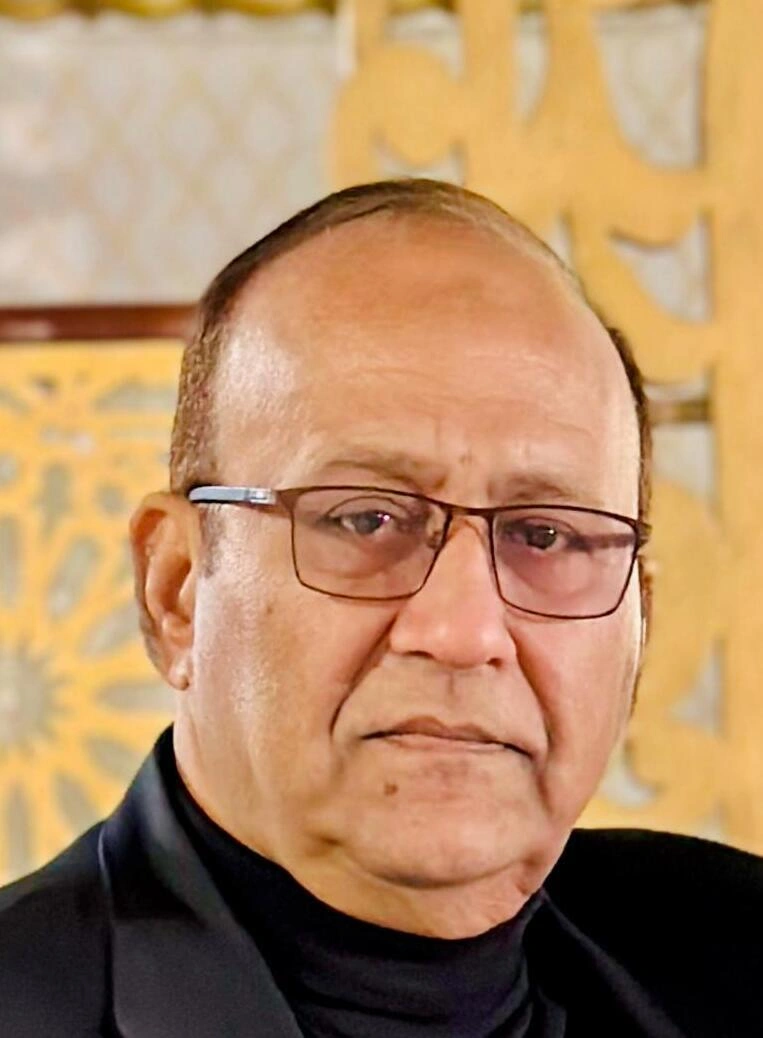
(Amir Muhammad Khan)
Pakistan’s Economic Challenges and the Need for Structural Reform
According to the World Bank President, the solution to Pakistan’s economic problems is that Pakistan must move towards long-term and fundamental reforms so that the economy can stand on a sustainable basis. He suggests that Pakistan must create 20 to 30 million new jobs in the next ten years. It is also important to make the young population skilled, so that they are not limited to bookish knowledge from colleges and universities. Employment should be created in sectors like agriculture, construction, IT, health, and tourism.
This has always been our slogan to bring people into the tax net, but unfortunately, it is rarely implemented. As always, the elite avoid taxation through influence and manipulation, since they themselves or their contacts sit in law-making institutions. The tax collection system is not fair, and the entire burden is placed on the salaried class, which is already suffering under inflation.
The rate of private investment remains low due to hurdles in starting businesses. Investors are subjected to excessive scrutiny even before beginning operations. Meanwhile, terrorism continues to discourage foreign investors. India is actively using internal facilitators to keep investors and important figures away from Pakistan. A recent example was the reported visit of Pakistan’s close ally, Saudi Crown Prince Mohammed bin Salman, coinciding with a terrorist attack in Islamabad that claimed many lives.
Pakistan’s economy shows some direction, yet structural weaknesses persist. We rely heavily on unnecessary imports, while exports remain weak in global markets. Spending on education and health remains insufficient, contributing to unemployment and poverty. Despite government efforts, corruption remains deeply embedded. Overseas Pakistanis, in particular, face bribery in almost every institution, leaving them disillusioned and eager to return abroad. For many newly educated individuals, emigration has become the primary goal.
According to the World Bank President, if Pakistan creates jobs, reforms taxation and energy, promotes private investment, and prioritizes education, health, and youth, it can overcome debt pressure and move toward an independent economy. The World Bank lends Pakistan around 4 billion US dollars annually, in addition to loans from friendly countries.
Prime Minister Shehbaz Sharif and the military leadership are actively managing economic affairs, not only borrowing but also repaying loans. Over the past few years, Pakistan has repaid more than Rs 3,650 billion ahead of schedule, improving financial discipline. However, the country still faces $25 billion in repayments this year, including debt rollovers. While early repayments increase confidence, an economy dependent on loans cannot be considered strong.
Learning from Saudi Arabia’s Vision 2030
Saudi Arabia, Pakistan’s close ally, offers a powerful example. The implementation of Vision 2030 under Crown Prince Mohammed bin Salman has transformed its economy. Saudi Arabia reduced unnecessary spending, introduced value-added tax, shifted subsidies toward investment, privatized state assets, and attracted foreign investors.
Why shouldn’t Pakistan learn from this model? Pakistan needs clear, bold, and flexible strategies in this era of economic uncertainty. The most practical blueprint for reform lies not in the West, but in Saudi Arabia.
Non-collection of taxes continues to hinder growth. Economic observers note that Saudi Arabia has successfully created new revenue streams while empowering the private sector. Pakistan should establish independent financial commissions at federal and provincial levels, free from political pressure, to monitor spending, enforce accountability, and ensure transparency.
Saudi Arabia’s privatization drive offers lessons. Pakistan must restructure loss-making state institutions and move forward with privatization. The recent privatization of the national airline can serve as a springboard for further reforms.
Above all, Pakistan must invest in its people. Vision 2030’s greatest strength is its focus on human capital training youth, promoting entrepreneurship, and empowering women. Pakistan urgently needs education reforms focused on skills rather than degrees and must bring women into the economy as a national priority.
For more reading please visit our Articles.
