

CAMBRIDGE, Massachusetts: Biotechnology company Moderna has launched the first human clinical trial of an experimental vaccine designed to protect against the Bundibugyo ebolavirus, a deadly strain of Ebola for which there is currently no approved vaccine.
The company announced on Tuesday that Health Canada has authorized the early-stage clinical trial, with the first volunteers already receiving the experimental vaccine, known as mRNA-1469. The vaccine uses the same messenger RNA (mRNA) technology that was successfully deployed in Moderna’s COVID-19 vaccine.
The Phase 1 study will be conducted at three clinical sites in Canada and is expected to enroll approximately 80 healthy adult volunteers. Researchers will primarily evaluate the vaccine’s safety while also determining whether it can generate a strong immune response against the Bundibugyo strain of the Ebola virus.
The vaccine program is being developed in partnership with the Coalition for Epidemic Preparedness Innovations (CEPI), which has committed up to $50 million to support the vaccine’s clinical development and manufacturing.
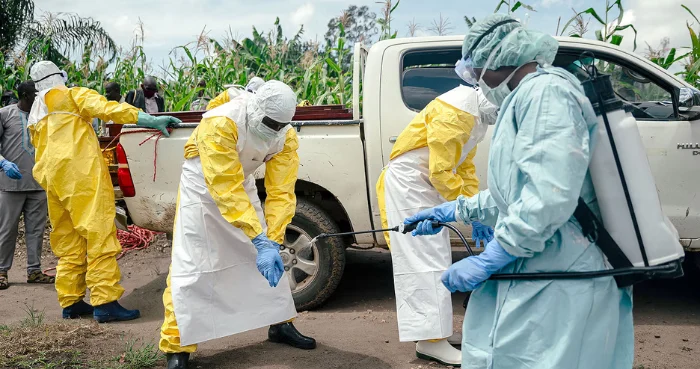
The clinical trial comes as the Bundibugyo Ebola outbreak continues to spread in the Democratic Republic of Congo (DRC). According to the U.S. Centers for Disease Control and Prevention (CDC), the outbreak has recorded 3,748 confirmed cases and 1,657 confirmed deaths as of August 1, making it the second-largest Ebola outbreak ever documented.
Health experts say the virus is spreading at a faster pace than the historic 2014–2016 West Africa Ebola epidemic, which remains the largest Ebola outbreak on record.
CEPI Chief Executive Richard Hatchett warned that the current outbreak is escalating rapidly, underscoring the urgent need for effective vaccines against Ebola strains that remain without approved medical protection.
Both the World Health Organization (WHO) and the Africa Centres for Disease Control and Prevention (Africa CDC) have declared the ongoing Ebola outbreak a public health emergency, prompting increased international efforts to contain the virus.
If the vaccine proves safe and effective during clinical testing and eventually receives regulatory approval, Moderna said it plans to supply at least 500,000 doses to low- and middle-income countries at affordable pricing under its agreement with CEPI.
The company said the project reflects its broader commitment to using mRNA technology to develop vaccines against emerging infectious diseases and strengthen global pandemic preparedness.