KP’s Khyber Pakhtunkhwa Climate Change Action Plan 2022 is more than a policy document it is a turning point for how Pakistan’s most vulnerable provinces are fighting back against the climate crisis.
KP Takes the Lead on Climate
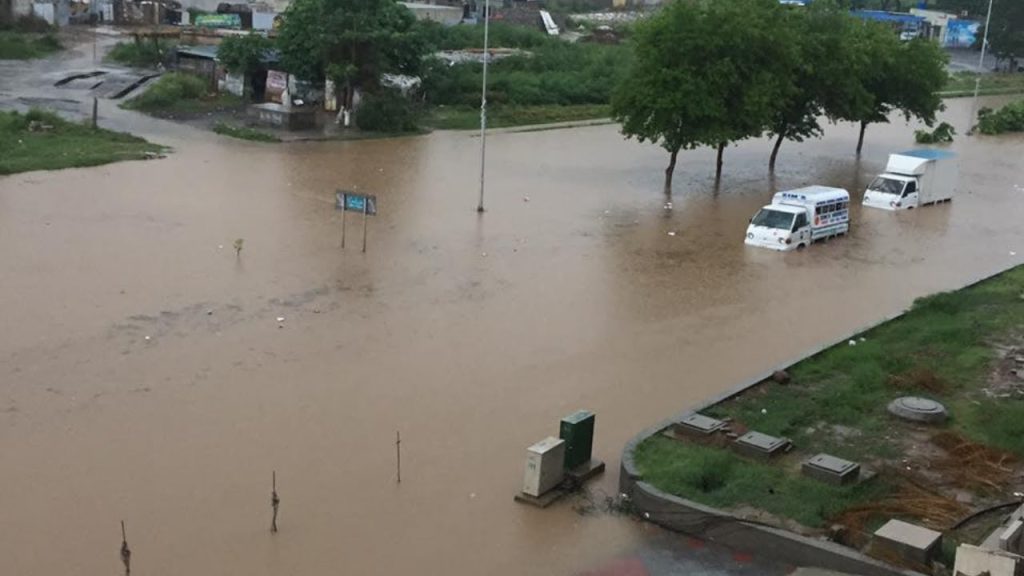
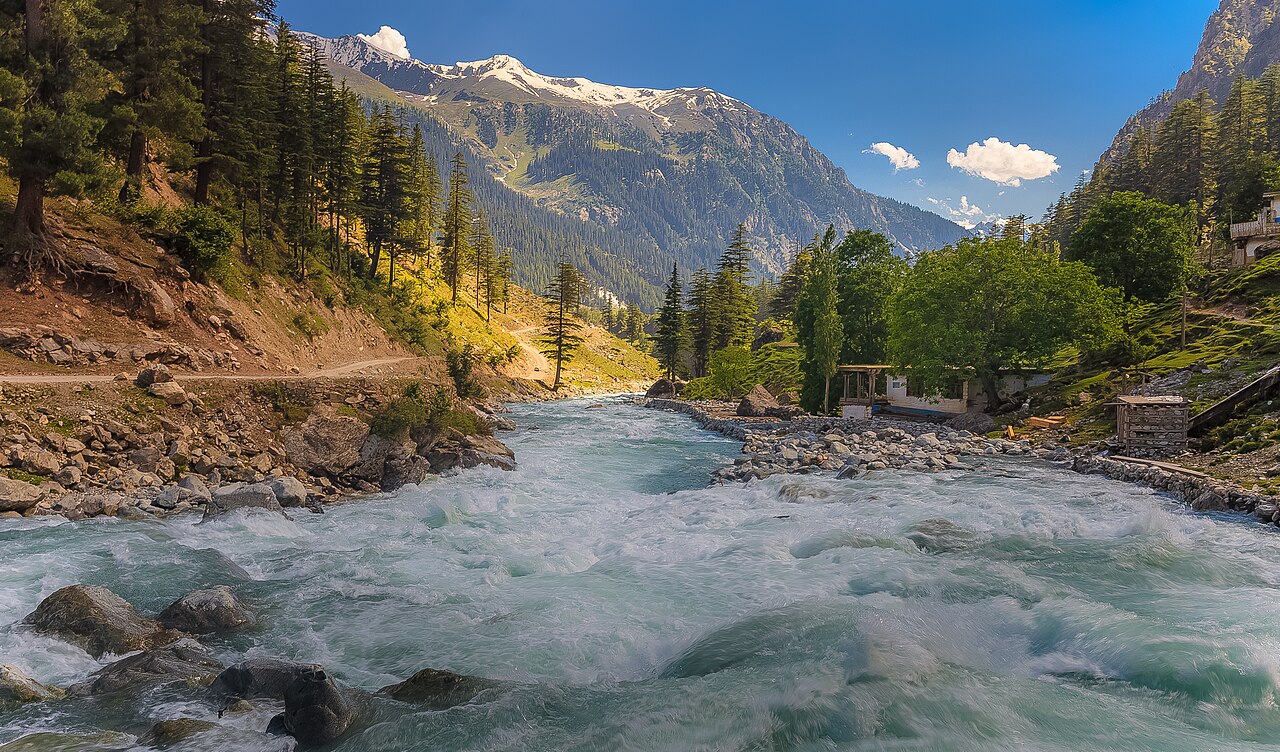
Khyber Pakhtunkhwa has emerged as a pioneer in Pakistan’s climate governance landscape. The province has moved from broad environmental promises to structured, time-bound action on the ground. With its forests disappearing due to extreme heat waves, its rivers swelling with abnormal floods, and its farmlands drying out under relentless droughts, KP had no choice but to act boldly.
The KP provincial cabinet approved the Khyber Pakhtunkhwa Climate Change Policy and Action Plan 2022, with its focus on reducing the vulnerability of both natural and human systems while also cutting greenhouse gas emissions through technology and nature-based solutions. This was a landmark moment and the province did not take it lightly.
KP became the first province in Pakistan to devise a provincial climate change policy and action plan, setting a precedent that other provinces would follow. This early leadership reflects a deep understanding that climate action cannot wait for the federal government alone.
What Is the KP Climate Change Policy 2022?
The Government of Khyber Pakhtunkhwa updated its previous climate change policy into the KP Climate Change Policy 2022 after Pakistan released its updated Nationally Determined Contributions in 2021. The revised policy outlines the provincial government’s commitments to combat climate change scenarios and also gives a roadmap to cope with health hazards caused by both nature and human-induced calamities.
The Provincial Climate Change Policy and Action Plan 2022 are consistent with the updated National Climate Change Policy 2021. This alignment is crucial it ensures that KP’s local efforts feed directly into Pakistan’s broader obligations under the Paris Agreement.
As many as 129 factors were identified in different sectors that negatively impact climate, and the action plan includes possible steps and measures to reduce these factors along with the adoption of 172 environment-friendly practices. This level of detail signals a transition from vague intentions to measurable commitments.
The Khyber Pakhtunkhwa Climate Change Action Plan 2022: What It Covers
The Khyber Pakhtunkhwa Climate Change Action Plan 2022 is a comprehensive document that spans across nine agro-ecological zones, including the newly merged districts. Climate change has influenced KP like other regions of Pakistan, causing progressive changes in weather and food production patterns, as well as abrupt and disastrous weather catastrophes such as severe floods, droughts caused by water scarcity, and extended heat waves.
KP contains around 7.67 percent of Pakistan’s total cultivable area, and over half of this territory is dependent on rain-fed agriculture. A decline in water supplies could have a severe spillover effect not just in KP but also in adjacent provinces, including forced relocation, economic losses, and diminished activity in agriculture, livestock, and industry.
The plan encompasses immediate measures, a short-term action plan, medium-term measures, and a long-term action plan. This layered structure ensures that KP is not just reacting to climate shocks but is actively preparing for future scenarios.
One Million Trees and the Green Push Forward
A major highlight of KP’s climate efforts has been a province-wide plantation drive targeting one million trees in a single day, forming part of a wider push for a greener province and intended to support cleaner air, improved soil health, and the restoration of degraded land.
This campaign builds on the famous Billion Tree Tsunami initiative, which brought international attention to KP’s earlier reforestation work. The current approach places greater emphasis on monitoring and accountability, with digital systems being introduced to track plantation activity and improve transparency.
Alongside plantation work, the province has approved long-term forest management plans in areas such as the Nizampur forests, based on scientific methods covering conservation, soil protection, water management, and eco-tourism. These are not cosmetic projects they represent a genuine attempt to rebuild ecosystems for the long term.
Reforming Environmental Governance
The Khyber Pakhtunkhwa Climate Change Action Plan 2022 also strengthens environmental governance at its core. Approval processes and monitoring systems are being digitised to improve efficiency and reduce delays, making environmental regulation more responsive and easier to track.
New systems are being developed to monitor industrial waste and wastewater more effectively, using sensors and data-based tools to improve real-time oversight of environmental risks, particularly in growing urban centres. Urban pollution has long been a neglected dimension of climate action in Pakistan, and KP is now taking it seriously.
Wildlife protection remains a central part of the province’s environmental strategy, with efforts to strengthen national parks and protected areas intended to safeguard biodiversity while also encouraging eco-tourism.
KP Climate Action in Context: Balochistan’s Role
KP’s climate push does not stand alone. Balochistan, Pakistan’s largest province, has also developed its own climate framework. Balochistan has created a Clean Air Action Plan with the support of national and international stakeholders, with the Environmental Protection Agency of Balochistan overseeing its implementation.
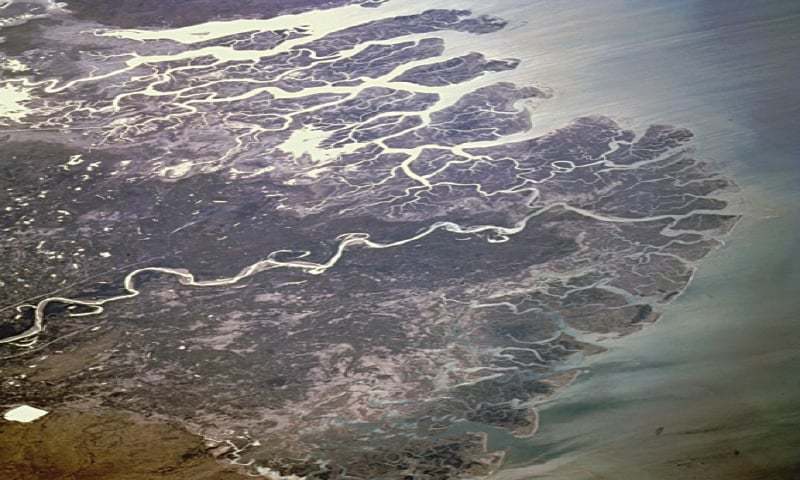
Balochistan’s climate vulnerability is unique and deeply linked to its geography. The province hosts the Hinglaj Mata Temple in Lasbela district a site that has been in the news due to its cultural, religious, and ecological significance. The cave temple lies in the middle of Hingol National Park, near the Makran coast a region that is ecologically fragile and increasingly exposed to climate-related pressures.
Around 300,000 pilgrims visit the temple during the main April festival, while nearly one million devotees visit throughout the year, making the preservation of Hingol National Park not only an environmental but also a cultural and religious priority for the province.
SDG 13 and Pakistan’s Global Climate Commitments
The Khyber Pakhtunkhwa Climate Action Plan 2022 is also deeply aligned with international obligations. By aligning with international commitments like the Sustainable Development Goals, particularly SDG 13 on Climate Action, the policy enhances the credibility of KP’s environmental governance at the global level
SDG 13 calls on countries and sub-national governments to take urgent action to combat climate change and its impacts. For a province like KP which bears the brunt of glacial lake outburst floods, flash floods, and droughts meeting SDG 13 targets is both a moral and practical necessity.
The KP policy emphasises both adaptation and mitigation strategies across various sectors, including agriculture, water management, and climate-resilient infrastructure, in line with Pakistan’s Nationally Determined Contributions under the Paris Agreement.
Community at the Centre of Change
One of the strongest features of the Khyber Pakhtunkhwa Climate Action framework is its emphasis on community. Local populations are being involved in plantation drives, conservation efforts, and awareness campaigns, recognising that long-term environmental protection depends on shared responsibility rather than government action alone.
This is particularly significant in a province where tribal and rural communities are on the front lines of climate change. Without their participation, no policy however well-designed can succeed on the ground. KP’s approach reflects a mature understanding of environmental governance.
Opinion: Bold Policy, But Accountability Must Follow
The Khyber Pakhtunkhwa Climate Change Action Plan 2022 is impressive in its ambition and scope. Being the first province to formulate such a detailed provincial climate policy is a genuine achievement. However, the real test lies in implementation.
Despite KP’s ambitious initiatives, several obstacles persist including weak institutional capacity at the EPA, enforcement and implementation issues, limited cross-sector coordination, and poor community engagement in some areas.
The KP Climate Change Policy must not become another document that sits on shelves. Political will, consistent funding, and transparent monitoring are what will determine whether KP truly becomes Pakistan’s green champion or remains an unfulfilled promise.
FAQs
Who is Huzaifa Rehman?
Huzaifa Rehman is a name that appears in various environmental and academic contexts in Khyber Pakhtunkhwa. However, as a public figure specifically linked to KP’s climate or EPA work, no verified and publicly confirmed profile is available at this time. Readers should rely on official EPA KP sources for accurate personnel information.
What is the salary of an EPA inspector in Pakistan?
The salary of an EPA (Environmental Protection Agency) inspector in Pakistan varies by province and pay scale. In Khyber Pakhtunkhwa, EPA staff are generally recruited under provincial government pay scales (BPS-11 to BPS-17 depending on role). An Inspector-level officer typically falls in the BPS-14 to BPS-16 range, with a monthly salary approximately between PKR 45,000 to PKR 80,000 including allowances, subject to revisions in each provincial budget cycle. For the most current figures, the KP Finance Department’s pay schedule should be consulted.
What is Goal 13 Climate Action?
SDG 13 or Sustainable Development Goal 13 is one of the 17 Global Goals adopted by the United Nations in 2015 under the 2030 Agenda for Sustainable Development. It calls on all nations to take urgent action to combat climate change and its impacts. Specific targets under SDG 13 include strengthening resilience to climate-related hazards, integrating climate change measures into national policies, and improving education and institutional capacity on climate mitigation and adaptation. For Pakistan and its provinces like KP, SDG 13 serves as an international framework that guides both the Khyber Pakhtunkhwa Climate Change Action Plan 2022 and the KP Climate Change Policy 2022.