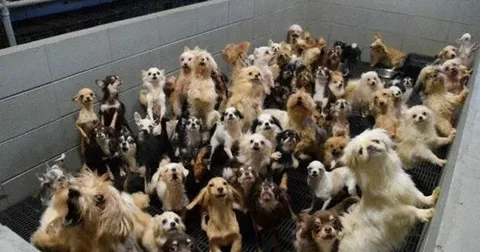
The Japan pet care industry is expanding at a remarkable pace as the country’s falling birthrate reshapes consumer spending habits. Pets now outnumber children under 15 by more than two million, pushing brands once built around babies to pivot toward cats and dogs. This shift marks one of the clearest signs yet of Japan’s changing family structure.
Background
Japan has struggled with a shrinking population for decades, and the number of children in the country continues to decline every year. As families grow smaller, many households are choosing pets over parenthood, a trend that has been building since the early 2000s. Companies that once depended on baby products for revenue are now redesigning their strategies around animal companions instead.
This change did not happen overnight. Japanese demographers have tracked the crossover between pet numbers and child populations for years, and the gap keeps widening. The result is a completely new consumer category built entirely around pet lifestyle products, care services, and premium pet food.
Details
According to Euromonitor, the Japan pet care industry was valued at 880 billion yen, or roughly 5.4 billion dollars, in 2025. That figure has grown steadily from 689.6 billion yen in 2020, showing consistent year-on-year growth across the sector. Industry insiders expect this momentum to continue as more households treat pets as full family members.
At the recent Interpets Conference held at Tokyo Big Sight, major brands showcased their latest pet care innovations. Unicharm, a company long known for baby diapers, displayed its expanding “Mannerware” line of pet nappies for cats and dogs. The move reflects how deeply the Japan pet care industry products segment now overlaps with traditional baby-care manufacturing.
Other brands are following the same path. Stroller manufacturer AirBuggy and baby clothing company Sweet Mommy have both extended their product lines to include pet versions of their most popular items. This cross-market shift shows how flexible Japanese companies have become in adapting to demographic change.
Household structure data supports this trend as well. Between 2002 and 2021, the share of households with only one child rose from about 10 percent to nearly 20 percent. At the same time, single-person households and childless dual-income couples have become increasingly common across the country.
Researchers studying the Japan pet care industry 2022 data and beyond have noted that this is not simply about replacing children with animals. Pets are taking on many emotional roles across different types of households, from companionship after divorce to comfort following the loss of a partner.
Quotes
Lucky Industries CEO Hiroyuki Higuchi explained how his company’s original purpose has evolved. He noted that the business once focused on baby carriers so mothers could manage housework more easily, but that focus has now shifted toward supporting pet owners instead.
Sociologist Barbara Holthus, who studies Japanese family structures, described how pets often become the emotional center of smaller households. She explained that animals now fulfil many roles once held by children or partners, reflecting a broader change in how Japanese families are structured today.
Impact
The rise of the Japan pet care industry is influencing far more than pet shops and grooming salons. It is reshaping entire manufacturing sectors, from strollers and clothing to food and hygiene products, as companies chase a more reliable customer base than the shrinking infant market.
This shift also carries wider economic significance across Asia. Countries such as South Korea and China are seeing similar patterns, with pet-related spending rising sharply as birthrates decline. Analysts researching Japan pet care industry pdf reports and regional market studies increasingly view Japan as an early indicator of trends likely to spread across East Asia.
For investors and manufacturers, this represents a long-term opportunity rather than a temporary fad. Premium pet food, insurance products, and specialised care services are all expected to see continued demand as pet ownership becomes further embedded in Japanese daily life.
Conclusion
The Japan pet care industry shows no signs of slowing down. As birthrates continue to fall and family structures keep evolving, pets are likely to remain at the center of consumer spending for years to come. Companies that adapt quickly to this shift, much like Unicharm and AirBuggy, are positioned to benefit the most from this ongoing transformation.
Industry watchers expect further product innovation, especially in premium pet food and wellness services, as competition in this sector intensifies. The coming years will likely reveal whether this trend stabilizes or continues expanding at its current pace.
Frequently Asked Questions
Is Japan a pet friendly country?
Yes, Japan is widely regarded as a pet friendly country, with a culture that has embraced pet ownership as part of everyday family life. Cities across Japan offer pet cafes, pet-friendly parks, and specialised veterinary clinics, and many public spaces now accommodate pet owners with designated walking areas. However, despite this friendliness, Japan still maintains fairly strict rules regarding where dogs are permitted, particularly around public transport and certain retail spaces, which shows that pet friendliness in Japan comes with a structured and regulated approach rather than unrestricted access.
How big is the pet care industry?
The Japan pet care industry was valued at approximately 880 billion yen, or around 5.4 billion dollars, in 2025, growing steadily from 689.6 billion yen in 2020. This growth has been driven by rising pet ownership, premium product demand, and companies shifting their focus from baby products to pet care products. Beyond Japan, the wider Asia-Pacific pet care market is also expanding rapidly, with countries like China and South Korea showing similar booming trends, suggesting that the overall pet care economy across the region will continue to grow significantly in the coming years.
Does Japan treat animals well?
Generally, Japan treats pets with a high level of care, often described as pet humanisation, where animals are treated as full family members rather than simply companions. Many households invest heavily in premium food, clothing, grooming, and even pet strollers, reflecting deep emotional attachment to their animals. That said, animal welfare standards can vary, and while pet ownership is culturally cherished, broader animal welfare regulations in commercial breeding and retail settings have drawn some criticism from international observers, indicating that treatment can differ between personal pet ownership and industry practices.