
Pakistan has issued its most forceful condemnation yet of the Israeli invasion Lebanon 2026 calling Israel’s continued military aggression against Lebanon a flagrant violation of international law that is undermining peace efforts and devastating civilian populations across the country. The statement came as Israel launched its largest coordinated strikes of the Lebanon war killing hundreds of civilians and deepening a humanitarian crisis that has already displaced over one million people from their homes.
Background: Israeli Invasion Lebanon 2026 and Its Origins
The Israeli invasion Lebanon 2026 did not begin in isolation but as a direct extension of the broader regional conflict triggered by the US-Israeli military campaign against Iran that began on February 28 2026. When Hezbollah fired rockets and drones into Israel in solidarity with Iran following the assassination of Supreme Leader Khamenei Israel responded with devastating air campaigns and a full ground invasion of southern Lebanon launched on March 16 2026.
The Israel Lebanon War 2026 represents the third major Israeli military operation in Lebanon in less than two decades following the Israel Lebanon War 2006 who won debate that ended inconclusively and the earlier Israeli invasion of Lebanon map of destruction that stretched from the 1978 conflict through the Israeli invasion of Lebanon 1982 and the subsequent eighteen-year occupation that shaped the modern Hezbollah movement. Why Israel invaded Lebanon in 1982 and why is Israel attacking Lebanon now share a common thread of Israeli security concerns about armed groups on its northern border that have defined the relationship between the two countries for nearly five decades.
The Israel Lebanon war 1978 which saw Israel launch Operation Litani to push Palestinian forces away from the border was the first major Israeli military incursion into Lebanese territory. The Israeli invasion of Lebanon 1982 that followed was far more ambitious in scope with Israeli forces advancing all the way to Beirut in an operation that lasted years and left deep scars on Lebanese society. The Israel Lebanon War 2006 who won question remained contested with Hezbollah claiming a strategic victory despite enormous physical destruction while Israel maintained it had achieved its military objectives. The Israeli invasion Lebanon 2026 is being shaped by all these historical precedents.
Details: What Is Happening in the Israeli Invasion Lebanon 2026
The Israeli invasion Lebanon 2026 has proceeded with devastating speed and scale with Israeli forces conducting hundreds of airstrikes across southern Lebanon Beirut and the Bekaa Valley while ground forces push into the south. Why is Israel attacking Lebanon now is answered by Israeli officials in terms of Hezbollah’s rocket attacks on northern Israel and the need to push the group’s forces away from the border permanently.
On April 8 2026 Israel launched what it called Operation Eternal Darkness striking over 100 targets within ten minutes across Lebanon including central Beirut neighbourhoods that had not previously been targeted. At least 254 people were killed making it one of the deadliest single days of the Israel Lebanon War 2026. Strikes hit residential areas a cemetery during a funeral coastal towns and areas surrounding hospitals with international organisations condemning the attacks as war crimes.
The Israeli invasion of Lebanon map shows a pattern of destruction stretching from the southern border through the Bekaa Valley and into Beirut with the main bridges on the Litani River destroyed to cut off the south. The Israeli invasion of Lebanon map of affected areas now encompasses virtually the entire country with strikes recorded in regions that had previously felt relatively safe from the Israel Lebanon War 2026 bombardment.
Pakistan’s Condemnation of Israeli Invasion Lebanon 2026
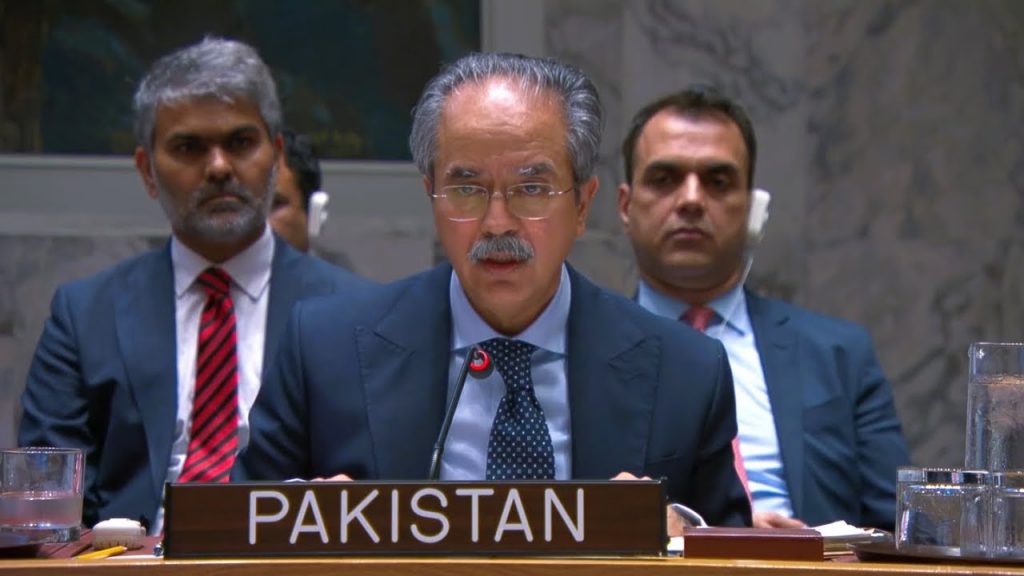
Pakistan’s Foreign Office condemned the Israeli invasion Lebanon 2026 in the strongest possible terms calling Israel’s actions a contravention of international law that is undermining the Lebanese government’s efforts to ensure peace and stability. Pakistan expressed complete solidarity with the people of Lebanon and called on the international community to take urgent action to end the military aggression the indiscriminate targeting of civilians and the continued violations of Lebanese sovereignty.
Pakistan’s condemnation of the Israeli invasion Lebanon 2026 carries particular diplomatic weight given Islamabad’s central role as mediator in the US-Iran ceasefire negotiations. Pakistani Prime Minister Shehbaz Sharif who helped broker the ceasefire explicitly stated that the agreement included Lebanon arguing that the Israeli invasion Lebanon 2026 continuation represents a direct violation of what was agreed. Israel and the United States disputed this interpretation with Netanyahu claiming the ceasefire does not cover Lebanon and Trump describing Lebanon as a separate skirmish.
Why is Israel Attacking Lebanon Now Despite Ceasefire
Why is Israel attacking Lebanon now despite a ceasefire with Iran is a question that has consumed diplomatic circles worldwide. Israeli Prime Minister Netanyahu has stated that Israeli operations against Hezbollah are entirely separate from the Iran conflict and that eliminating Hezbollah’s military infrastructure in Lebanon is a strategic objective that will continue regardless of any regional diplomatic framework.
The Israel Lebanon War 2026 from Israel’s perspective is the culmination of a long-standing security challenge that the Israel Lebanon War 2006 and subsequent arrangements failed to permanently resolve. Why Israel invaded Lebanon in 1982 and why is Israel attacking Lebanon now share the common Israeli justification of preventing a militarily capable hostile force from operating immediately on its northern border a justification that critics argue has consistently produced disproportionate civilian harm without achieving lasting security.
Expert Quotes on Israeli Invasion Lebanon 2026
The UN High Commissioner for Human Rights described the scale of killing and destruction in Lebanon as nothing short of horrific saying such carnage defies belief particularly following the ceasefire announcement. French President Emmanuel Macron condemned the indiscriminate strikes saying they posed a direct threat to the sustainability of the ceasefire reached with Iran.
Lebanese officials described the April 8 attacks on Beirut as targeting purely residential and commercial areas with no military presence. A member of Beirut’s municipal council said this is a residential area and there is nothing military here. International medical organisations including Doctors Without Borders reported their staff were injured and hospital facilities damaged during the Israeli invasion Lebanon 2026 attacks raising serious concerns about violations of medical neutrality under international humanitarian law.
Impact of Israeli Invasion Lebanon 2026
Since the Israeli invasion Lebanon 2026 began over 1,700 people have been killed in Lebanon including more than 130 children and over 100 women. More than 1.2 million people have been displaced from their homes. The Israeli invasion of Lebanon map of destruction encompasses damage to civilian infrastructure cultural sites medical facilities and residential areas across the entire country.
The Israel Lebanon War 2026 has also triggered a significant regional refugee crisis with tens of thousands of Syrian refugees who had been living in Lebanon crossing back into Syria while Lebanese citizens themselves flee the bombardment. The humanitarian consequences of the Israeli invasion Lebanon 2026 have drawn comparisons to the worst episodes of civilian destruction in the Israel Lebanon War 2006 and the Israeli invasion of Lebanon 1982 with international observers warning that the scale of the current conflict exceeds both previous episodes in its humanitarian toll.
Conclusion
The Israeli invasion Lebanon 2026 has placed Pakistan in a pivotal diplomatic position as it simultaneously condemns the aggression and works to hold the fragile regional ceasefire together. The Israel Lebanon War 2026 continues to claim civilian lives at a devastating rate while the international community debates whether Lebanon was included in ceasefire arrangements and how to force compliance from a military that has shown consistent disregard for international legal constraints. The historical pattern from Israel Lebanon war 1978 through Israeli invasion of Lebanon 1982 through Israel Lebanon War 2006 to the present suggests that military operations alone cannot produce the lasting security that both Lebanon and Israel desperately need.
FAQs
What Does the Pakistani Passport Say About Israel?
Pakistani passports contain a specific notation stating that the passport is valid for all countries except Israel reflecting Pakistan’s longstanding non-recognition of the Israeli state. Pakistan has never formally recognised Israel and maintains no diplomatic relations with Tel Aviv. This policy reflects both the position of Pakistan’s founding leadership and the consistent national consensus that recognition of Israel is contingent on a just resolution of the Palestinian question. Pakistan’s forceful condemnation of the Israeli invasion Lebanon 2026 is entirely consistent with this longstanding position and with Pakistan’s role as one of the most vocal advocates for Palestinian and Arab rights in the Muslim world.
Is Pakistan Supporting Iran?
Pakistan’s role in the US-Iran conflict has been that of a neutral mediator rather than an active supporter of either side. Pakistan brokered the ceasefire between the United States and Iran serving as the critical diplomatic intermediary whose intervention helped bring weeks of devastating conflict to at least a temporary halt. Pakistani Prime Minister Shehbaz Sharif specifically included Lebanon in the ceasefire announcement reflecting Pakistan’s genuine concern about the humanitarian consequences of the Israeli invasion Lebanon 2026 alongside the Iran conflict. While Pakistan has strongly condemned Israeli aggression against Lebanon and consistently supported Palestinian rights this reflects principled positions on international law and civilian protection rather than active military or political support for Iran.
Who is Pakistan’s Biggest Friend?
Pakistan maintains close and multidimensional relationships with several nations that could each be described as among its closest friends depending on the dimension of the relationship being assessed. China is Pakistan’s most comprehensive strategic partner providing enormous economic investment through CPEC military cooperation and consistent diplomatic support including on Kashmir. Saudi Arabia is Pakistan’s closest Muslim world partner providing financial support employment for Pakistani workers and religious solidarity.