

(Publish from Houston Texas USA)
(By Mian Iftikhar Ahmad)
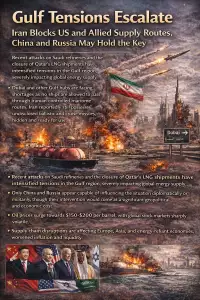
Saudi refinery attacks and Qatar LNG disruptions escalate Gulf tensions, driving oil prices toward $200 and creating global economic and energy challenges.
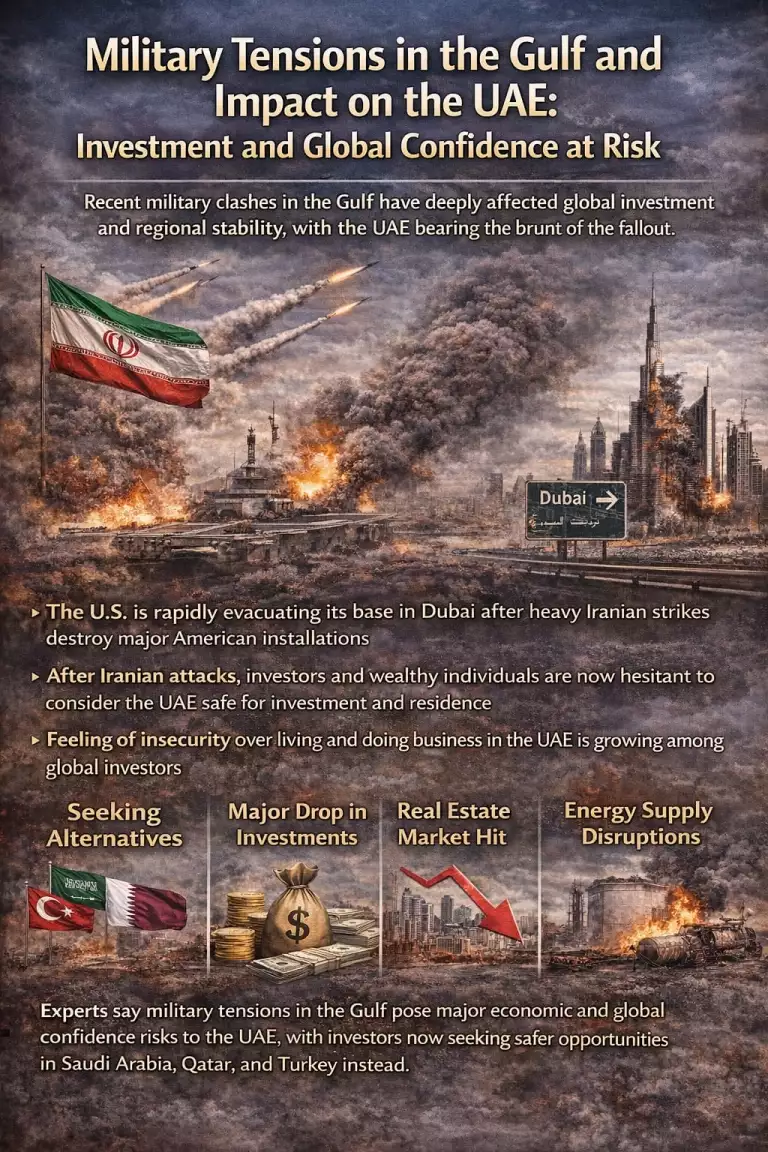
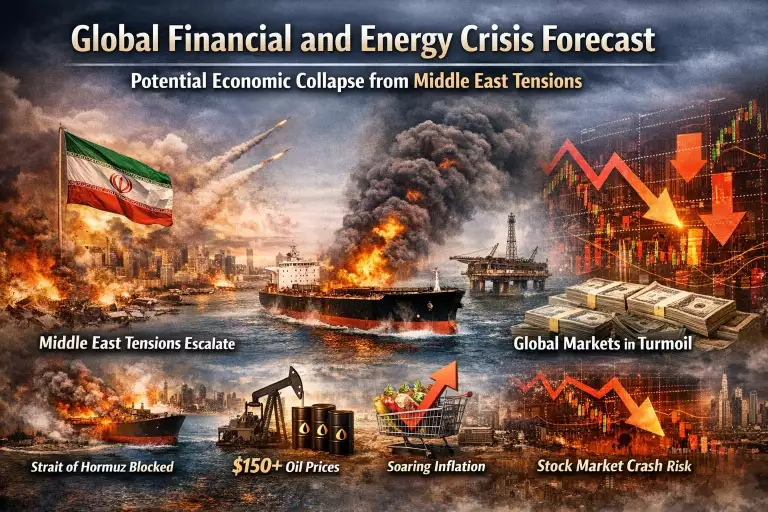
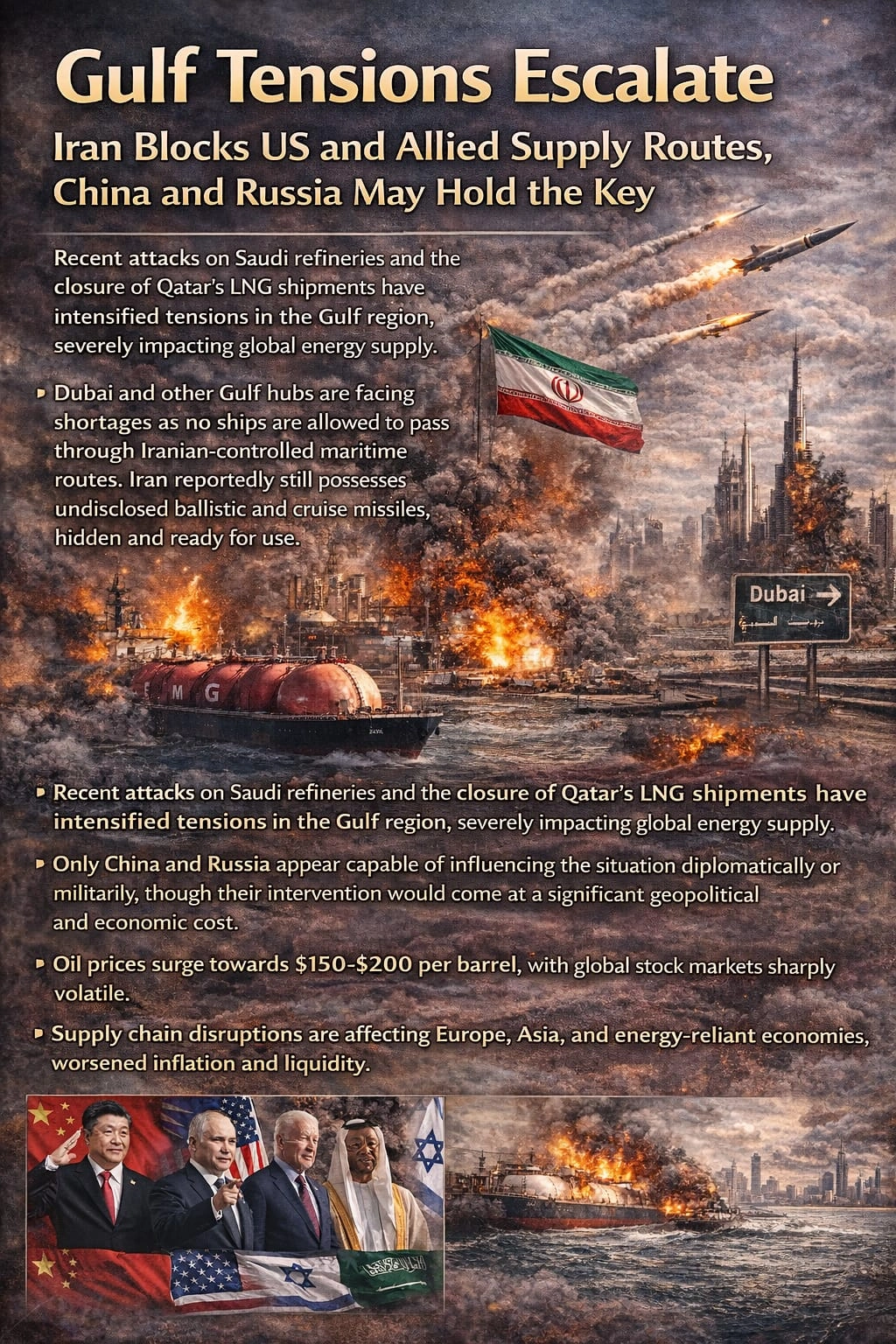
Saudi refineries and the closure of Qatar’s LNG shipments have intensified tensions in the Gulf region, severely impacting global energy supply. Dubai and other Gulf hubs are facing shortages as no ships are allowed to pass through Iranian-controlled maritime routes. Iran reportedly still possesses undisclosed ballistic and cruise missiles, hidden in strategic locations, which have not yet been deployed. Analysts warn that if the conflict continues for the next two to three days, the United States, Israel, and regional Arab powers could find themselves in a strategic deadlock. Only China and Russia appear capable of influencing the situation diplomatically or militarily, though their intervention would come at a significant geopolitical and economic cost. The blockade and disruptions have already driven oil prices higher, with estimates reaching $150–$200 per barrel, while global stock markets experience sharp volatility. Supply chain interruptions are expected to affect Europe, Asia, and energy-dependent economies, further straining inflation and liquidity. Experts emphasize that Iran’s current posture, combined with Gulf nations’ vulnerabilities, has shifted the regional balance of power, placing the responsibility for resolution in the hands of external superpowers. The unfolding scenario demonstrates how quickly localized conflicts can trigger widespread economic, political, and strategic consequences for the global community.
For more information please visit our International news.