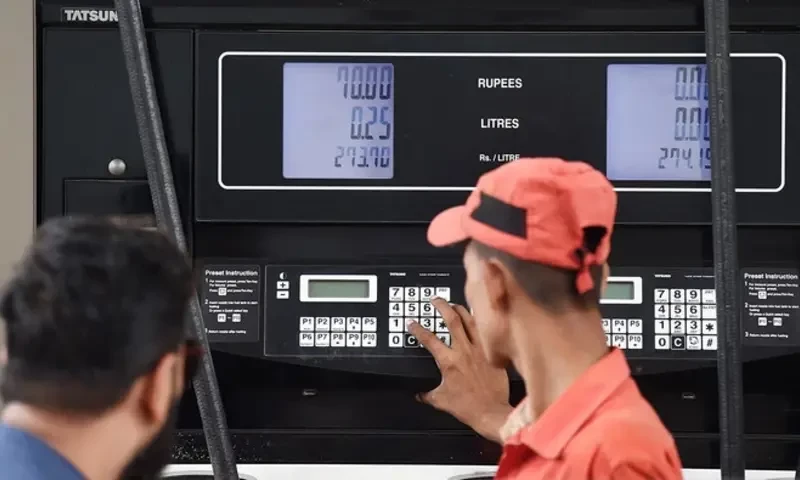
Pakistan’s government has announced that diesel is cheaper by Rs32 a litre, bringing immediate relief to millions of citizens. Prime Minister Shehbaz Sharif approved the reduction, cutting the diesel price from Rs385.54 to Rs353.43 per litre. The new diesel price in Pakistan takes effect from midnight on April 18, 2026.
Background
Fuel prices in Pakistan have been a major pressure point for the economy over the past several years. The government has been passing on the benefits of declining global oil costs directly to the public to curb recent inflationary pressures. This latest move is part of a continuing series of fuel price adjustments tied to shifts in international oil markets.
In the previous weekly review, the Prime Minister had announced a cut of Rs12 in petrol price and Rs135 in the diesel rate, citing a reduction in global oil prices. That earlier decision was one of the largest single-round reductions in Pakistan’s fuel pricing history.
Details: Diesel Cheaper by Rs32 a Litre Price
The government has reduced the price of diesel by Rs32.12, according to a statement issued by the Prime Minister’s Office (PMO). The PMO confirmed that PM Shehbaz Sharif decided to extend relief to the public and approved the reduction in the diesel rate.
The government confirmed a decrease of Rs32.12 per litre, lowering diesel prices from Rs385.54 to Rs353.43 per litre across the country.This makes diesel cheaper by Rs32 a litre compared to the previous fortnightly price in Pakistan.
Petrol prices, however, have been kept unchanged for the time being. Petroleum Division sources confirmed that the government decided to keep the price of petrol unchanged for the next seven days, starting from April 18.This means the full benefit of the global oil price drop is being directed specifically toward diesel consumers for now.
What Drove the Diesel Price Cut?
The main driver behind this price relief is the sharp drop in global crude oil prices. Earlier, oil prices dropped sharply after Iran announced the full reopening of the Strait of Hormuz during a ceasefire, triggering immediate rallies across global stock markets.
Officials described this as a relief step following the easing of global oil supply pressures linked to the reopening of the Strait of Hormuz. The revised fuel prices came at a time when international oil markets had stabilised after weeks of volatility caused by disruptions in one of the world’s most critical energy chokepoints.
When global oil supply improves, the landed cost of diesel in Pakistan falls. The government then adjusts domestic prices accordingly, and this week’s drop reflects exactly that mechanism.
Quotes from Officials
PM Shehbaz Sharif stated that the impact of the reduction in international oil prices shall be passed on to the public as soon as possible.
Officials stated that the benefits of reduced fuel prices will be delivered to the public as quickly as possible, ensuring timely relief during ongoing economic challenges.
The Prime Minister’s Office described the decision as a direct relief measure for the nation and attributed it personally to the prime minister’s approval.
Impact: Who Benefits When Diesel is Cheaper by Rs32 a Litre?
The fact that diesel is cheaper by Rs32 a litre in Pakistan has wide-reaching effects across multiple sectors of the economy.
Transport Sector: Trucks, buses, and commercial vehicles all run on high-speed diesel. Lower diesel prices reduce freight costs, which in turn can lower the prices of everyday goods transported across the country.
Agriculture: Tractors, tube wells, and farm machinery are diesel-powered. The timing coincides with the wheat harvesting season, making this cut especially significant for farmers who depend on diesel throughout harvest operations. Cheaper diesel directly reduces the cost of food production.
Industry and Generators: Many factories and small businesses rely on diesel generators, especially during power outages. A cheaper diesel price in Pakistan today means lower operating costs for SMEs and industries that cannot rely on an uninterrupted grid.
Inflation Relief: Diesel price cuts have a cascading effect on consumer prices. When the cost of transporting goods drops, retail prices of vegetables, flour, sugar, and other essentials tend to follow. For low-income households, this is one of the most felt forms of economic relief.
Pakistan Diesel Price History Recent Trend
| Date | Diesel Price (Per Litre) |
| Before April 11, 2026 | Rs520.35 |
| April 11, 2026 | Rs385.54 |
| April 18, 2026 | Rs353.43 |
The table above shows just how dramatically diesel prices in Pakistan have declined over recent weeks. The diesel price in Pakistan today of Rs353.43 per litre is significantly lower than where it stood even a month ago.
Conclusion
With diesel cheaper by Rs32 a litre, the government has sent a strong signal that it intends to continue passing on global oil price benefits to Pakistani consumers. The new diesel price in Pakistan Rs353.43 per litre brings relief to transporters, farmers, and industries alike.
Future adjustments will depend on the direction of international crude oil prices, the Pakistan rupee’s stability against the dollar, and global geopolitical developments. If global oil prices continue their downward trend, further reductions in both petrol and diesel per litre cost in Pakistan remain possible in coming weeks.
Citizens and businesses are encouraged to monitor official announcements from the Petroleum Division and the Prime Minister’s Office for the most current fuel pricing updates.
FAQs
Q: What is the cost of 1 litre of diesel?
As of April 18, 2026, the cost of 1 litre of diesel (High-Speed Diesel / HSD) in Pakistan is Rs353.43 per litre. This is after the latest Rs32.12 reduction approved by Prime Minister Shehbaz Sharif.
Q: What is the diesel price in Pakistan today?
The diesel price in Pakistan today is Rs353.43 per litre, effective from midnight on April 18, 2026. The previous price was Rs385.54 per litre before the latest government revision.
Q: What does diesel cost per liter?
Diesel costs Rs353.43 per liter in Pakistan as of the latest government announcement. This price applies to High-Speed Diesel (HSD), which is the standard diesel used in vehicles, trucks, tractors, and generators across the country.