

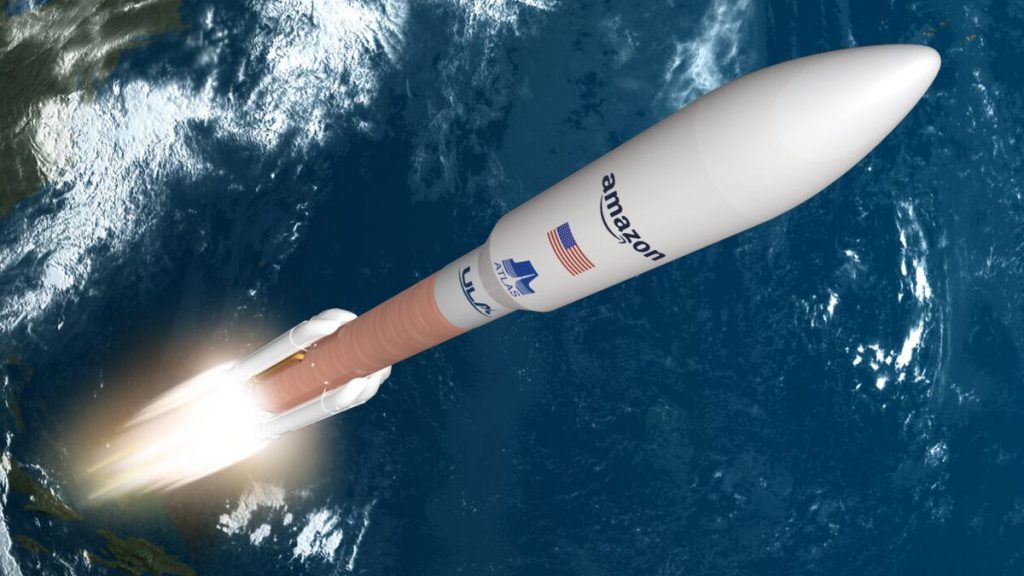

The satellite internet war is heating up in 2026. Amazon’s Project Kuiper now officially rebranded as Amazon Leo is preparing to challenge Starlink on price, speed, and global reach. For anyone comparing Amazon Kuiper vs Starlink price, here is everything you need to know right now.
Background: Why This Battle Matters
For years, Elon Musk’s Starlink dominated the satellite internet market with almost no serious competition. SpaceX’s Starlink held a near-monopoly on high-speed satellite internet, with over 7,000 satellites in low Earth orbit and service active in more than 125 countries with over five million users.
Now Amazon is stepping in with billions of dollars and a powerful cloud backbone. Amazon’s total investment commitment to Project Kuiper stands at $10 billion one of the largest private infrastructure investments in recent history.This is not a small experiment. This is a full-scale war for control of the sky.
What Is Amazon Kuiper (Amazon Leo)?
Amazon’s Project Kuiper is an initiative designed to deploy a network of 3,236 low Earth orbit (LEO) satellites, with the goal of providing affordable, high-speed internet to remote areas around the world. The system combines LEO satellites with compact customer terminals, a global network of ground stations, and cloud infrastructure powered by Amazon Web Services (AWS).
In November 2025, Project Kuiper was officially rebranded as Amazon Leo. As of December 2025, 212 production satellites had been launched, though commercial service had not yet begun. A public beta waitlist opened in November 2025, with full service anticipated within 2026.
Amazon Leo is targeting three hardware tiers for customers: Leo Nano, Leo Pro, and Leo Ultra designed to serve different types of users from households to large enterprises.
Amazon Kuiper Price Per Month: What We Know
This is the biggest question on Reddit threads and tech forums right now: what is Amazon Kuiper price per month?
Amazon has not yet officially announced the price to access its high-speed broadband network.Final consumer pricing remains unconfirmed, which makes direct cost comparisons difficult for now.
Pricing for Amazon Kuiper is still unclear, and the final consumer pricing has not been officially announced, making it hard for consumers to plan around it.
However, Amazon has repeatedly signaled that affordability is a core goal. Analysts expect Amazon Kuiper’s pricing to be competitive with or lower than Starlink, especially given Amazon’s massive manufacturing scale and AWS cost efficiencies.
Starlink Price Per Month: Current Costs
Unlike Kuiper, Starlink is already live and publicly priced. Here is a clear breakdown of Starlink satellite internet cost in 2026:
Starlink’s Residential plans start at $80 per month, with an upfront hardware cost of $349 for the Standard dish. Starlink has also recently offered $40-per-month plans with dish leasing at $0, but only in select regions. Typical download speeds for the full Residential service range from 200 to 400 Mbps. The Roam plans include a data-capped 50GB option for $50 per month and an Unlimited plan for $165 per month.
For standard customers, Starlink costs around $120 per month, though premium packages on the company’s website run upwards of $5,000 for enterprise and maritime use.
So for most home users, Starlink satellite internet price lands between $80 and $165 per month depending on the plan chosen.
Amazon Kuiper vs Starlink: Speed & Performance
Speed is where things get interesting in the Amazon Leo vs Starlink debate.
Amazon Kuiper’s peak test speeds have hit 1.29 Gbps, though latency in tests measured around 47 milliseconds higher than initially promised.
While Amazon Leo claims its enterprise offering will reach up to 1 Gbps download speeds, Starlink has also stated it will offer gigabit internet in the near future as it launches more satellites with improved technology.Starlink currently sits at an orbital altitude of 550 km, Amazon Leo at 590–630 km, and OneWeb at a higher orbit. Orbital altitude directly affects latency lower orbit generally means faster response times.
On latency, Starlink currently holds the advantage with real-world performance proving its reliability.
Project Kuiper vs Starlink vs OneWeb: Three-Way Comparison
The satellite internet race is not just a two-player game. Project Kuiper vs Starlink vs OneWeb is the full competitive picture in 2026.
OneWeb, now part of the Eutelsat Group, operates around 630 LEO satellites. However, it is a fundamentally different business targeting enterprises, governments, maritime, and aviation clients rather than home consumers. OneWeb sells wholesale bandwidth to telecom partners and does not offer direct-to-consumer home internet plans.
Despite its smaller scale, OneWeb remains the only company other than Starlink currently offering LEO satellite internet service. OneWeb’s LEO revenue reached 187 million euros for the 12 months ending June 2025 compared to Starlink’s $2.7 billion in revenue for 2024.
In short: Starlink leads for consumers, OneWeb serves enterprise and government, and Amazon Leo is the new challenger preparing to enter both markets.
Expert Quotes & Industry Perspective
Amazon itself has been clear about its ambitions. In a press release, the company stated: “A project of this scale requires significant effort and resources, and, due to the nature of LEO constellations, it is not the kind of initiative that can start small. You have to commit.”
Reports in 2026 have intensified that Amazon is in the final stages of a multi-billion dollar deal to acquire Globalstar a move designed to turn Project Kuiper into a serious Starlink competitor. By absorbing Globalstar’s existing infrastructure and its L-band spectrum licenses, Amazon could bypass several regulatory hurdles and offer direct-to-cell capabilities.
This would be a game-changing development, potentially turning every smartphone into a satellite-connected device without specialized hardware.
Global Impact: Who Wins the Satellite Internet War?
As of March 2026, Starlink is winning decisively on every operational metric: satellite count, coverage, subscriber base, revenue, and demonstrated military capability.
But Amazon’s entry into this market is already changing the conversation. Competition means lower prices, better hardware, and faster speeds for everyone including rural communities and developing regions that have long been underserved by traditional internet providers.
Amazon’s methodical approach may enable more rapid scaling once full operations begin, and its integration with Amazon Web Services transforms satellite internet from a standalone service into a component of a comprehensive cloud infrastructure.
This cloud integration is something no competitor currently offers at scale and it could be Kuiper’s biggest long-term advantage.
Conclusion: Should You Wait for Amazon Kuiper?
If you are considering satellite internet today, Starlink is the clear choice it offers global coverage, proven hardware, and flexible plans. But Project Kuiper is not far behind, and its integration with Amazon’s ecosystem and aggressive pricing strategy could make it a major player by 2026.
For those in areas already served by Starlink, switching immediately makes sense. For those in regions where Starlink is expensive or unavailable, waiting for Amazon satellite internet price announcements in mid-to-late 2026 could be worth it.
The real winner of this satellite internet war whether it’s Amazon Leo vs Starlink will ultimately be consumers around the world who gain access to faster, cheaper, and more reliable internet from space.
Frequently Asked Questions (FAQs)
Is Amazon going to compete with Starlink?
Yes. Amazon is directly competing with Starlink through its satellite internet service, originally called Project Kuiper and now rebranded as Amazon Leo. Amazon has invested $10 billion into the project and plans to launch 3,236 satellites into low Earth orbit. Commercial service is expected to begin for consumers in mid-to-late 2026.
What is Amazon’s version of Starlink called?
Amazon’s version of Starlink is called Amazon Leo, formerly known as Project Kuiper. It was officially rebranded in November 2025. The service uses LEO satellites and offers three hardware tiers Leo Nano, Leo Pro, and Leo Ultra to serve homes, small businesses, and large enterprises.
Who is Starlink’s biggest competitor?
Currently, Starlink’s biggest competitor is Amazon Leo (Project Kuiper). While OneWeb serves the enterprise and government sector, Amazon Leo is the only service planning to directly challenge Starlink in the consumer home internet market at scale. Amazon’s financial resources, cloud infrastructure via AWS, and global logistics make it the most credible threat to Starlink’s dominance.