
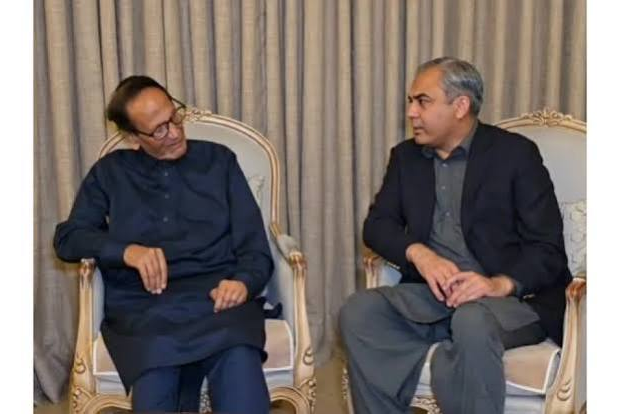
The debate over the creation of new provinces in Pakistan has gained fresh attention following a meeting between Pakistan Muslim League Quaid (PML-Q) President Chaudhry Shujaat Hussain and Interior Minister Mohsin Naqvi in Lahore. Both leaders discussed important political and administrative matters, including the need to improve governance and transfer powers to grassroots institutions.
The meeting comes as political leaders continue to express different views about Pakistan’s administrative structure. The discussion also highlights a wider question: whether creating new provinces or strengthening existing administrative systems would help address the country’s governance challenges.
What Was Discussed During the Lahore Meeting?
Shujaat Hussain Emphasises Public Convenience
During the meeting, Chaudhry Shujaat Hussain said that the creation of new provinces should be considered in connection with public convenience, better governance and administrative efficiency.
He also pointed out that strengthening existing administrative units and giving them more authority could help resolve many governance-related problems. According to him, ordinary citizens are the biggest stakeholders in Pakistan, and their interests should guide important national decisions.
Shujaat stressed that delaying necessary reforms could create further difficulties for the country. He called for decisions that reflect the aspirations and expectations of the people.
Mohsin Naqvi Calls for Decisions Based on Public Wishes
Interior Minister Mohsin Naqvi also highlighted the importance of considering public opinion before making major decisions about Pakistan’s administrative structure.
He maintained that the country’s future should be shaped according to the wishes of its people. The discussion also covered government efforts to maintain law and order and address security challenges.
Naqvi briefed Shujaat Hussain about counterterrorism measures and peacekeeping efforts in Balochistan and Khyber Pakhtunkhwa.
Federal Minister for Overseas Pakistanis Chaudhry Salik Hussain and Punjab Industries Minister Chaudhry Shafay Hussain also attended the meeting. No formal agreement on establishing new provinces was announced afterwards.
Why Is Pakistan Debating the Creation of New Provinces?
Pakistan currently has four provinces: Punjab, Sindh, Khyber Pakhtunkhwa and Balochistan. Over the years, demands for additional provinces have emerged because of population growth, regional inequalities and difficulties in delivering public services.
Supporters of smaller provinces believe that government institutions could become more accessible if administrative responsibilities were distributed across smaller geographical areas.
For example, people living in remote districts often have to travel long distances to reach provincial departments and government offices. Additional administrative units could potentially make public services easier to access.
However, creating new provinces is not a simple administrative decision. It would require constitutional procedures, financial planning and agreement among political stakeholders.
Different Political Parties Have Different Positions
The proposal has generated different reactions from political parties. While some political leaders support additional administrative units, others believe that strengthening the existing provincial system should be the priority.
The Pakistan Peoples Party (PPP) has strongly opposed any attempt to divide Sindh. Its leadership maintains that the province’s territorial integrity and political identity must be respected.
PPP Chairman Bilawal Bhutto-Zardari has also warned against attempts to divide Sindh without political agreement and public support.
The Sindh Assembly has already passed a resolution rejecting proposals to divide the province. This development demonstrates how sensitive the issue has become within Pakistan’s political landscape.
For more details, read our coverage of the Sindh Assembly resolution against the division of Sindh.
Referendum Proposal Adds Another Dimension to the Debate
The idea of holding a nationwide referendum has also become an important part of discussions about new provinces.
Minister for Parliamentary Affairs Tariq Fazal Chaudhry has maintained that the government will make efforts to convince its coalition partners to consider a referendum. He has argued that public opinion should be considered when making decisions of national importance.
The government believes that consulting citizens could help clarify public preferences and reduce political disagreements.
However, a referendum alone cannot replace the constitutional process required to change provincial boundaries. Under Article 239 of the Constitution, an amendment affecting the boundaries of a province requires approval by a two-thirds majority in the relevant provincial assembly, in addition to the required parliamentary majorities.
Defence Minister Khawaja Asif has also discussed the possibility of a referendum. On November 23, he indicated that discussions could take a more definite shape by the end of 2026, with the process potentially moving forward early in 2027. However, he did not announce a confirmed date.
Dawn+1
Political Consensus Remains a Major Challenge
One of the biggest challenges is bringing different political parties onto the same page.
The PPP has raised concerns about dividing Sindh, while government representatives have continued discussing ways to seek public opinion on the issue.
Political leaders must also consider the concerns of provincial governments, parliamentarians and communities that could be affected by any proposed changes.
Without broad political agreement, moving forward with such a major administrative reform could prove difficult.
Readers can also explore our report on Pakistan’s new provinces and the constitutional debate.
How Could New Provinces Affect Ordinary Citizens?
The debate is not only about political boundaries. At its heart, it concerns how effectively the government can serve ordinary people.
Supporters argue that smaller provinces could bring administrative offices closer to residents and provide greater attention to neglected regions.
Better access to government departments, improved infrastructure and more balanced development are among the expected benefits.
However, these improvements are not guaranteed simply by creating new provinces. Effective institutions, transparent financial management and accountable leadership would remain essential.
The Importance of Strong Local Governments
Another option is to strengthen local government institutions without changing existing provincial boundaries.
Empowered district and municipal administrations could take responsibility for important public services, including sanitation, drinking water, local roads and municipal development.
This approach could allow communities to address everyday problems through elected representatives who understand local needs.
The real challenge would be ensuring that local institutions receive sufficient financial resources and administrative authority rather than remaining dependent on provincial governments.
Our report on bringing government closer to ordinary citizens examines why effective local administration matters for public service delivery.
What Happens Next in the New Provinces Debate?
The coming weeks could be important for discussions about Pakistan’s administrative future.
Government representatives are expected to continue consulting political stakeholders and exploring ways to address disagreements over the proposed changes.
The possibility of a referendum remains part of the discussion, but its scope, timing and constitutional requirements have not been finalised.
Political parties will also need to consider whether creating additional provinces or empowering existing local governments would provide a more practical solution to governance problems.
For now, the Lahore meeting between Shujaat Hussain and Mohsin Naqvi represents another development in an ongoing national debate rather than a final decision on new provinces.
Conclusion
The meeting between Chaudhry Shujaat Hussain and Interior Minister Mohsin Naqvi has brought renewed attention to the creation of new provinces in Pakistan and the importance of transferring powers to grassroots institutions.
Both leaders highlighted the need to consider public interests when discussing administrative reforms. However, political differences, constitutional requirements and concerns about provincial boundaries remain significant challenges.
Whether Pakistan moves towards creating additional provinces or strengthening its existing administrative system, the main objective should be better governance and improved public services.
Ultimately, the success of any reform will depend on political consensus, constitutional procedures and the willingness to give ordinary citizens a stronger voice in decisions affecting their future.
Frequently Asked Questions
1. Why did Chaudhry Shujaat Hussain and Mohsin Naqvi meet in Lahore?
Chaudhry Shujaat Hussain and Interior Minister Mohsin Naqvi met in Lahore on November 23, 2026, to discuss Pakistan’s political and administrative situation. Their conversation included the creation of new provinces, devolution of powers, public convenience and law and order. The meeting also covered government efforts to maintain peace and address security challenges in Balochistan and Khyber Pakhtunkhwa.
2. What did Shujaat Hussain say about the creation of new provinces?
Shujaat Hussain said that the creation of new provinces should be considered in relation to public convenience, administrative efficiency and better governance. He also suggested that strengthening existing administrative units and giving them greater authority could help address governance problems. He emphasised that ordinary citizens should remain the main priority when important national decisions are made.
3. What is the government’s position on creating new provinces in Pakistan?
Government representatives have discussed the possibility of creating additional provinces or administrative units to improve governance and public service delivery. Interior Minister Mohsin Naqvi has also suggested seeking public opinion through a referendum. However, political agreement and the constitutional process remain necessary before any changes to provincial boundaries can take place.
4. Why is the PPP opposing the division of Sindh?
The Pakistan Peoples Party has strongly opposed proposals to divide Sindh, arguing that the province’s geographical unity and political identity should be protected. PPP Chairman Bilawal Bhutto-Zardari has also expressed concerns about attempts to divide the province without public support and political agreement. The Sindh Assembly has passed a resolution rejecting proposals to change the province’s existing boundaries.
5. Can Pakistan create new provinces through a nationwide referendum?
A nationwide referendum could help the government understand public opinion about creating new provinces. However, a referendum alone cannot replace the constitutional requirements for changing provincial boundaries. Article 239 requires a two-thirds majority in the relevant provincial assembly, alongside the required approval from the National Assembly and Senate. Therefore, constitutional procedures and political consensus would remain essential.