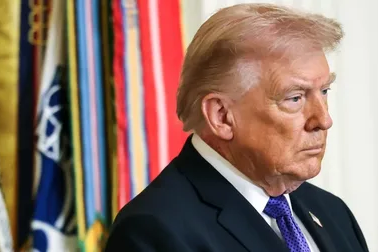
US President Donald Trump has acknowledged that the Iran war contributed to his party’s heavy defeat in the US midterm elections 2026. The Democratic Party victory gave Democrats control of both the House of Representatives and the Senate, according to Reuters and AFP. Trump made the comments on Wednesday in interviews with Fox News and The Wall Street Journal. He still defended his decision to attack Iran.
Background: How the Iran War Became a Midterm Issue
The US-Israeli war on Iran began on February 28, 2026, and is now in its ninth month. Donald Trump campaigned on a promise of “no new wars,” so the conflict was a political risk for Republicans from the start. Public opinion surveys showed that opposition to the Iran war was larger than support even in its early weeks. According to a Council on Foreign Relations review, opposition stood at about 47 percent and support at about 35 percent when the war began.
The war also changed the economic picture at home. Iran has kept up a blockade of the Strait of Hormuz, a key route for global oil exports. This pushed up fuel prices and squeezed household budgets across the United States. Before the war, annual consumer price inflation was 2.4 percent in January. Analysts later reported inflation climbing again, with gasoline above four dollars a gallon at points during the conflict.
Details: What Trump Said After the Republican Midterm Losses
Democrats won control of Congress on Tuesday, and Donald Trump responded with a round of media interviews the next day. He told Fox News that Iran was part of the reason Republicans lost. He told The Wall Street Journal that the war was “a piece of it.” He added that he believes he made the right decision and would take the same action again.
The president also said on social media that he would act as a political pundit and explain why Republicans lost. He blamed some Republican candidates directly, including Texas Governor Greg Abbott, who lost to Democrat Gina Hinojosa. A White House official said candidate quality mattered and suggested that Trump had promoted the candidates better than they promoted themselves. Some party members may not agree with that view.
Early projections showed the scale of the Democratic gains. The New York Times estimated that Democrats were on track to win the national House popular vote by about 12 percentage points. The Associated Press reported that voters used the election to express anger over high prices, the Iran war and concerns about government corruption. In the Senate, the Republicans had held 53 seats before the vote.
Quotes: Reactions From Washington and Tehran
Trump’s own words stood out for their plainness. “Iran was a piece of it,” he said. A White House official also argued that Democratic voters would feel “buyer’s remorse” once gas prices fall after the Iran conflict is resolved. The official said gas prices would come down quickly if the conflict ends.
Tehran has signaled that it expects no change in US policy. Iran’s supreme leader, Mojtaba Khamenei, warned before the vote that any threat would meet a “geographically unrestricted response.” Iranian state-linked reports since the results have described the outcome as a sign that Americans do not want the war. These statements reflect Iran’s official position and are not independently verified.
Impact: What the Democratic Party Victory Means for the Iran War
Democratic control of the House means committees can now investigate the Iran war, the mass deportation program and corruption allegations. Democrats have also said they will not approve extra funding for the war. Any bill they pass could still face a presidential veto, so the practical limits on the president’s authority remain unclear. A War Powers Resolution vote is one option Democrats have used before, though earlier votes were seen as symbolic.
The wider impact reaches the global economy. A prolonged blockade of the Strait of Hormuz keeps oil markets unsettled and affects import-dependent countries, including Pakistan. The war has also cost the United States an estimated 38 billion dollars, according to a congressional report cited by Al Jazeera in September. Politically, Israeli opposition leaders have already said Prime Minister Benjamin Netanyahu cannot stay in power after the US election results, according to The Express Tribune.
Conclusion: What Happens Next
Donald Trump now enters the final two years of his second term as a lame duck president facing a Congress controlled by the opposition. He told the Financial Times on Tuesday that the United States had no immediate plans to strike Iran, while saying the military was “locked and loaded” if needed. Reports have also described a draft peace proposal presented by Qatar, which the US reportedly approved, though details remain limited.
Observers will watch whether the president escalates the Iran war or accepts a negotiated end. A major resumption of strikes would likely trigger fierce clashes with the new Democratic majority. A deal, on the other hand, could ease gas prices and reduce the political pressure on both sides. For now, the Trump Iran war debate has moved from the campaign trail into the halls of Congress.
Frequently Asked Questions (FAQs)
What is the impact of the Iran war on the USA?
The Iran war has affected the United States in political, economic and military terms. Politically, it became one of the main issues in the US midterm elections 2026, and Donald Trump himself has said it played a part in the Republican defeat. Economically, the closure of key shipping lanes such as the Strait of Hormuz pushed up fuel costs, and those costs spread into the prices of food, travel and other goods.
Militarily, the war has strained US munitions stockpiles and raised spending. A congressional report cited by Al Jazeera estimated the cost at about 38 billion dollars by mid-September. Democrats now control both chambers and have said they will not approve more money for the war. That could limit how long and how widely the conflict can continue.
Has the war in Iran affected the American economy?
Yes, most clearly through energy prices. Gasoline prices rose sharply after the conflict began, and in several months they rose above four dollars a gallon. Higher fuel prices increase transport costs, which feed into the cost of groceries and other household items. Inflation was 2.4 percent in January, before the war, and reports since then show prices rising again.
Surveys showed that the economy and the cost of living were the top concerns for voters before the midterms. A Washington Post/Ipsos poll found that 54 percent of registered voters cited the economy and high prices as a factor in their choice. The White House argues that gas prices will fall quickly once the conflict is resolved. Critics say the war has already done lasting damage to household budgets.
How does America feel about the Iran war?
Public opinion has been mostly negative since the beginning, though views split along party lines. A Council on Foreign Relations analysis found opposition at roughly 47 percent and support at about 35 percent when the war started. A later Reuters/Ipsos poll found that 66 percent of US voters wanted a quick end to the war, including 40 percent of Republicans.
The midterm results appear to confirm this mood. AFP described the war as one that voters “loathed,” and the Associated Press said voters were angry about prices, the war and corruption. Some voters did back Trump’s handling of national security. Overall, however, the Democratic Party victory suggests that most Americans want the conflict to end.
Why is the United States in a conflict with Iran?
The United States and Israel launched joint military operations against Iran on February 28, 2026. The Trump administration has pointed mainly to Iran’s nuclear program and regional threats as reasons for the war. Critics say the stated goals have shifted over time and that Congress did not approve the war in advance. Trump has defended the decision and says he would do it again.
The conflict has since turned into a long stalemate. Iran has blockaded the Strait of Hormuz, while the United States has threatened to continue strikes and has said it keeps a blockade of its own. Diplomatic efforts led by Qatar have produced a draft proposal, but no final agreement has been announced. The situation could change quickly, so readers should follow trusted news outlets for updates.