

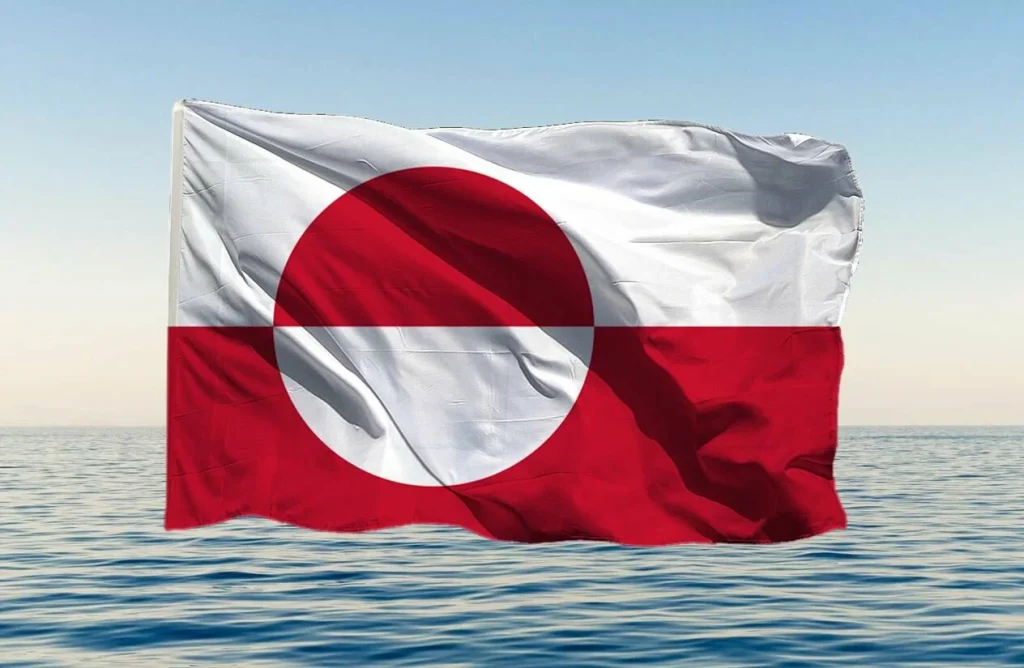

Denmark, Greenland and the US to Formalize Landmark Arctic Security Pact
Denmark, Greenland and the United States are preparing to sign a major agreement on Greenland’s security, and Copenhagen says the deal will place Arctic security firmly under NATO’s watch rather than leaving it solely in the hands of Washington and Copenhagen. The signing is expected on Tuesday at the United Nations General Assembly in New York, marking one of the most significant shifts in Arctic policy in decades.
Officials from all three parties have confirmed that the agreement is designed to strengthen security across the Arctic and North Atlantic region. While the full text has not yet been made public, early statements from Danish, Greenlandic and American leaders suggest the deal touches on sovereignty, defence cooperation and the broader role NATO will play going forward.
Background: Months of Pressure and a Diplomatic Standoff
The Greenland deal comes after months of sustained pressure from US President Donald Trump, who repeatedly argued that the United States should take control of Greenland. At several points, Trump declined to rule out using military or economic force to acquire the semi-autonomous Danish territory, a stance that alarmed European allies and strained relations inside NATO.
Trump’s threats reached their peak in January, triggering what many described as a diplomatic crisis within the alliance. That pressure eventually pushed Denmark and Greenland into direct negotiations with Washington, aimed at defusing tensions while still protecting Greenlandic and Danish interests. Since then, Danish and NATO leadership have repeatedly signalled that any resolution would need to reinforce, not undermine, Greenland’s sovereignty and its right to self-determination.
Details: What the Greenland Security Agreement Covers
According to statements from the Danish prime minister’s office, the agreement centres on “strengthened security in the Arctic and North Atlantic Area.” Danish Prime Minister Mette Frederiksen described it as a strong outcome for Greenland, the Kingdom of Denmark, NATO and Europe as a whole, while stressing that it recognizes the sovereignty and territorial integrity of the Kingdom and the Greenlandic people’s right to self-determination.
A US official said the agreement includes provisions for permanent US access, basing and overflight rights on the island. The official noted that under the previous arrangement, any country, including rival powers, could in theory have built a military presence on Greenland, and that the new deal puts mechanisms in place to prevent investment in sensitive sectors by non-NATO countries. This is widely seen as an effort to keep Russia and China from expanding their existing Arctic footprint any further.
Despite Trump publicly describing the agreement as granting the US “permanent control” over Greenland’s security, Denmark and Greenland have not endorsed that characterization. Both governments maintain that the deal is intended to benefit Greenland while respecting its sovereignty, and the signed agreement will still need to pass through parliamentary procedures before it is finalized.
Quotes: What Officials Are Saying
Danish Foreign Minister Lars Lokke Rasmussen, speaking to Danish broadcaster TV2, said the agreement changes how Arctic security will be managed going forward. He explained that responsibility for the region would no longer rest only with Denmark or the United States, adding that NATO would take on a major share of that responsibility.
Greenlandic Prime Minister Jens-Frederik Nielsen said the agreement reflects Greenland’s own interests and its position within international cooperation, describing the outcome as beneficial for all parties involved. A NATO spokesperson also welcomed the deal, saying it would help advance security, stability and cooperation across this strategically vital region.
Impact: What This Means for the Arctic, NATO and Global Security
The Greenland deal is expected to reshape how Arctic defence is coordinated among Western allies. By formally bringing NATO into the picture, the agreement spreads responsibility across the alliance rather than concentrating it in Washington and Copenhagen alone. This matters because Russia has steadily expanded its military footprint in the Arctic over recent decades, while China has also deepened its interest and presence in the region.
Greenland’s location gives it outsized strategic value. The island already hosts the US Pituffik Space Base, which plays a central role in missile warning systems, and its position allows for close tracking of submarine activity moving between the Arctic and the North Atlantic. A broader NATO role could translate into improved early warning systems, expanded maritime surveillance and stronger protection of the transatlantic routes linking North America and Europe.
For Denmark, the agreement offers a way to de-escalate tension with Washington while preserving its sovereign relationship with Greenland. For Greenland itself, officials have framed the deal as a recognition of the territory’s right to self-determination, even as it takes on a more prominent role in NATO’s broader defence posture.
Conclusion: What Comes Next
With the signing set for Tuesday at the UN General Assembly in New York, attention will now turn to the finer details of the agreement once it is made public. Questions remain over exactly how basing rights, investment restrictions and NATO’s operational role will be implemented on the ground, and the deal must still clear parliamentary procedures in Denmark before it takes full effect.
What is clear is that the agreement marks a turning point in Arctic security policy, formally tying Greenland’s defence to the broader NATO alliance rather than leaving it as a bilateral matter between Copenhagen and Washington. As Arctic competition between major powers continues to intensify, this shift is likely to shape how the region is defended for years to come.
Frequently Asked Questions
What does the Greenland deal mean for Arctic security?
The Greenland deal signals a shift away from Arctic security being handled solely by Denmark and the United States. Under the new arrangement, NATO takes on a much larger share of responsibility for protecting the region, with the agreement covering defence cooperation, access rights and measures aimed at preventing rival powers from gaining a foothold on the island. Danish officials have described this as a way of spreading responsibility across the alliance rather than concentrating it in just two capitals, which they argue makes the region more secure in the long run.
What role does NATO have in Greenland’s security?
Under the agreement, NATO is expected to play a major role in coordinating Arctic defence going forward, according to Danish Foreign Minister Lars Lokke Rasmussen. Rather than leaving security decisions to Denmark and the United States alone, the alliance as a whole will be involved in strengthening protection across the Arctic and North Atlantic. NATO’s leadership has publicly welcomed this expanded role, saying it will help advance stability and cooperation in a region it considers essential to the alliance’s collective security.
Why is Greenland strategically important to Denmark and NATO?
Greenland’s location makes it a critical point for monitoring Arctic and North Atlantic activity, including tracking submarine movements and providing early missile warning through facilities like the Pituffik Space Base. As Russia continues to expand its Arctic military presence and China deepens its own interest in the region, Greenland’s position along key polar and transatlantic routes gives it outsized strategic value. For Denmark, maintaining sovereignty over Greenland while strengthening its defences is central to preserving its influence in Arctic affairs, and for NATO, the island is seen as essential to protecting the wider northern flank of the alliance.