

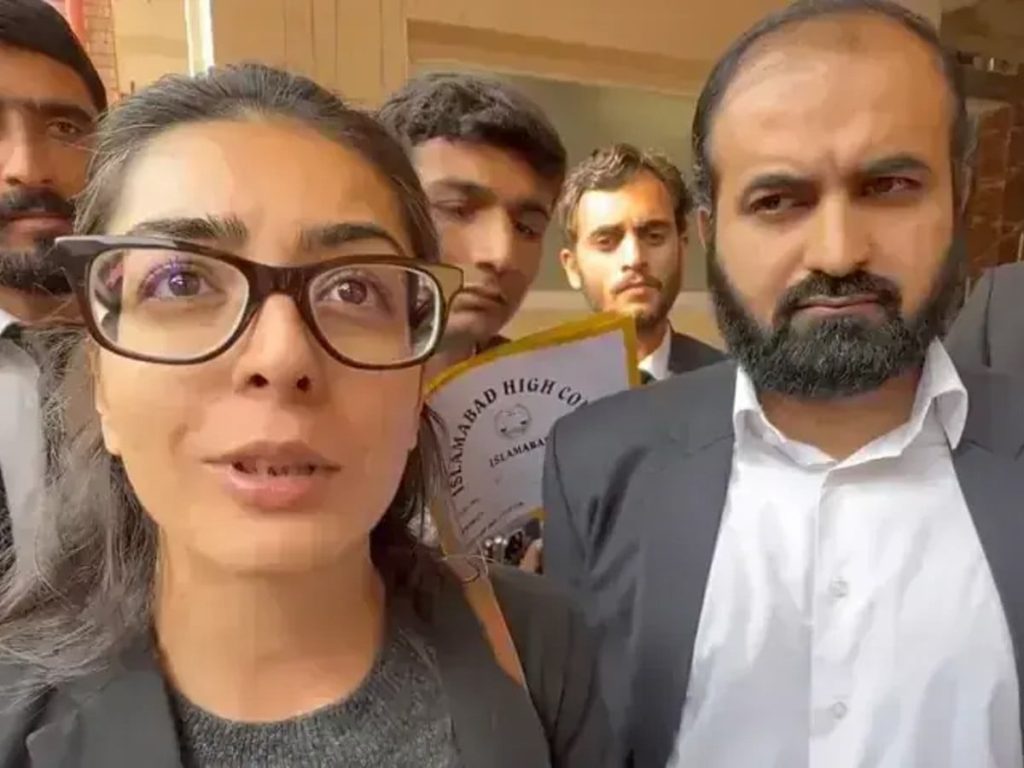

Human rights lawyer Imaan Zainab Mazari-Hazir and her husband, advocate Hadi Ali Chattha, were taken back into custody on Thursday night, only hours after the Supreme Court had suspended the sentences handed down to them in a long-running case over social media posts. An anti-terrorism court in Islamabad has now sent the couple on judicial remand, reopening a legal battle that has drawn attention from rights groups both inside and outside Pakistan.
Background
The case against Mazari-Hazir and Chattha dates back to a complaint filed in August 2025 under the Prevention of Electronic Crimes Act (PECA). Investigators alleged that Mazari-Hazir had posted content on her X account between 2021 and April 2025 that targeted key state institutions, while Chattha was accused of sharing and reposting the same material. In January 2026, a sessions court in Islamabad convicted the pair and sentenced each of them to a combined seventeen years in prison, along with fines running into tens of millions of rupees, under PECA sections covering cyber terrorism, hate speech and the spread of false information.
Rights organisations have repeatedly pointed out that the underlying posts were largely tied to Mazari-Hazir’s public expressions of solidarity with Baloch rights activist Mahrang Baloch and her comments on the disappearance of a man named Ghazi Amanullah. The couple has consistently denied wrongdoing and maintained that the prosecution amounts to punishment for political speech rather than any genuine criminal act.
What Happened This Week
On Thursday, a two-judge Supreme Court bench suspended the sentences that had been imposed on the couple, effectively granting them bail while their broader appeal continues. Government lawyers had opposed the move, arguing that the matter should instead be taken up by the Islamabad High Court, which had already reserved a hearing date later in the month. The bench was not persuaded and ordered the suspension regardless.
Within hours, however, both lawyers were arrested again. An Islamabad anti-terrorism court took up the case the same night and, after hearing arguments, sent Mazari-Hazir and Chattha on judicial remand rather than granting the thirty-day physical remand that investigators had requested. The rapid sequence of bail followed almost immediately by rearrest is what has drawn the sharpest criticism from legal observers, who say it points to a deliberate attempt to keep the couple behind bars regardless of what the courts decide.
Reaction From the Legal Community
Several senior lawyers responded within hours of the rearrest. One described the pattern as reflecting deepening anxiety within state institutions, arguing that a string of overlapping cases appeared designed less to secure convictions than to keep the couple tied up in the legal system indefinitely. Another prominent rights lawyer characterised the renewed arrest as part of a broader pattern of pressure on voices associated with Baloch rights advocacy, drawing a line between this case and other ongoing prosecutions involving journalists and opposition figures in Pakistan.
A veteran journalist who has covered the case closely argued that the judiciary was undermining its own credibility by allowing repeated arrests to proceed without the standard paperwork, including formal first information reports, being properly produced in court.
Impact and Wider Context
The case has become something of a flashpoint in the debate over how Pakistan’s cybercrime law is used against critics of state institutions. International legal bodies, including bar associations in the United Kingdom, have previously issued joint statements arguing that the prosecution was built on tweets that amounted to ordinary political criticism rather than criminal conduct. Rights monitors have also raised concerns about how the couple has been treated in custody, including previous complaints of being denied food and water and being barred from properly cross-examining witnesses during earlier hearings.
For press freedom advocates, the episode reinforces long-standing worries about the space available for lawyers and commentators who take on cases involving the military or the security establishment. Mazari-Hazir herself has a history of representing journalists facing harassment, which rights groups say makes her prosecution especially significant for the broader media community in Pakistan.
Conclusion
With the couple back in judicial custody, the next steps will depend on how quickly the Islamabad High Court takes up the underlying appeal and how the anti-terrorism court handles the remand proceedings in the coming weeks. Legal observers expect further hearings before the end of the month, and rights organisations are likely to keep pressing for the couple’s release as the case continues to draw scrutiny from both domestic and international observers.
FAQs
What are the rights of journalists in Pakistan?
Journalists in Pakistan are formally protected under the constitution’s guarantees of freedom of expression, and additional legal safeguards exist under laws such as the Journalists and Media Professionals Protection Act, which is meant to shield reporters from violence and intimidation while they carry out their work. In practice, however, press freedom groups say these protections are unevenly applied, and journalists frequently face arrest, surveillance or prosecution under broader laws such as PECA when their reporting touches on sensitive institutions. Cases like the prosecution of Imaan Mazari-Hazir, who has represented several journalists facing harassment, are often cited as evidence of the gap between the law on paper and how it is enforced.
Who is the most famous journalist in Pakistan?
There is no single agreed-upon answer, since Pakistan has produced many well-known journalists across print, television and digital media over the decades. Names frequently mentioned in this context include senior anchors and columnists who have built national followings through decades of political reporting, as well as investigative reporters who have taken on stories involving the military and intelligence agencies at real personal risk. Recognition often depends on the era and the platform, with different generations of Pakistanis associating “most famous” with different figures from television, newspapers or, more recently, social media.
Do journalists have a code of ethics?
Yes, professional bodies such as the Pakistan Federal Union of Journalists and various press clubs maintain codes of conduct that outline standards around accuracy, fairness, source protection and avoiding conflicts of interest. These codes generally call on reporters to verify information before publication, distinguish clearly between fact and opinion, and protect confidential sources from being exposed. Enforcement, however, is largely voluntary, and adherence varies significantly between outlets, which is part of why credibility and fact-checking remain ongoing concerns within the industry.