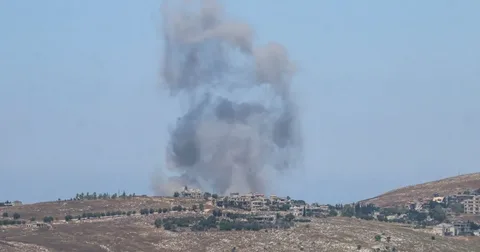
The latest Israel Lebanon war news highlights growing uncertainty despite ongoing diplomatic efforts aimed at maintaining calm along the Israel-Lebanon border. While a temporary reduction in hostilities has eased fears of a wider conflict, political disagreements and security concerns continue to threaten stability in the region.
Officials from multiple countries are closely monitoring developments as questions remain about the future of the Israel-Lebanon ceasefire. The situation has attracted global attention because any renewed fighting could have significant consequences for the Middle East and international security.
Background of the Israel-Lebanon War
The Israel-Lebanon war has been one of the most closely watched conflicts in the Middle East. Tensions between Israel and Hezbollah have existed for decades, with periodic clashes leading to military operations, border incidents, and diplomatic disputes.
The latest escalation emerged amid broader regional instability. Cross-border attacks, military responses, and security concerns increased pressure on both sides, prompting international calls for restraint. Several governments and international organizations urged immediate efforts to prevent a larger regional confrontation.
The conflict has also become a major topic across social media platforms, with discussions related to Israel Lebanon Reddit forums drawing attention from users seeking updates, analysis, and differing perspectives on the crisis.
Why Is Israel Attacking Lebanon?
One of the most frequently asked questions remains: Why is Israel attacking Lebanon?
Israeli officials have repeatedly argued that military operations are directed at Hezbollah positions rather than the Lebanese state itself. According to Israel, the objective is to reduce security threats and prevent attacks originating from areas near the border.
Hezbollah, however, has rejected Israeli claims and accused Israel of violating Lebanese sovereignty. Lebanese officials have also expressed concern over military actions affecting civilian areas and infrastructure.
The debate over why Israel is attacking Lebanon continues to shape diplomatic discussions and remains central to understanding the broader conflict. International observers argue that long-term peace will require addressing the underlying security and political issues that have fueled tensions for years.
Israel-Lebanon Ceasefire Faces New Challenges
The Israel-Lebanon ceasefire has reduced large-scale fighting, but significant challenges remain. Reports from the region indicate that both sides continue to monitor military movements closely, creating concerns that a single incident could trigger renewed escalation.
Diplomatic efforts involving regional and international actors have focused on preserving the ceasefire agreement. Governments supporting peace initiatives have emphasized the importance of dialogue and confidence-building measures.
Despite these efforts, analysts warn that ceasefires in the region have historically remained fragile. Political disagreements, security incidents, and mutual distrust continue to complicate attempts to establish a permanent solution.
The future of the Israel-Lebanon ceasefire will likely depend on sustained diplomatic engagement and the willingness of all parties to avoid actions that could reignite hostilities.
Israel-Hezbollah Ceasefire Remains a Key Concern
The Israel-Hezbollah ceasefire has become a major focus of international diplomacy. Hezbollah remains one of the most influential armed groups in Lebanon and plays a significant role in shaping developments along the border.
Security experts note that maintaining the Israel-Hezbollah ceasefire is essential for preventing broader regional instability. Any breakdown could increase tensions not only between Israel and Lebanon but also among other countries involved in Middle Eastern affairs.
Military analysts believe both sides are currently weighing strategic considerations carefully. While neither appears eager for a large-scale confrontation, the possibility of miscalculation remains a serious concern.
As a result, international mediators continue working to strengthen ceasefire mechanisms and encourage communication channels aimed at reducing risks.
Ben-Gvir’s Statements Draw Attention
Israeli National Security Minister Ben-Gvir has once again become a central figure in discussions surrounding the conflict. His statements regarding security policy and military responses have generated debate both within Israel and internationally.
Supporters argue that Ben-Gvir’s approach reflects concerns about national security and border protection. Critics, however, contend that strong rhetoric could complicate diplomatic efforts and increase tensions at a sensitive moment.
The role of Ben-Gvir in shaping public debate highlights the broader political challenges facing decision-makers as they balance security priorities with diplomatic considerations.
Observers note that political leaders on all sides face pressure from domestic audiences while also responding to international calls for restraint.
Regional Impact of the Conflict
The Israel Lebanon war continues to affect the wider Middle East. Neighboring countries remain concerned that renewed fighting could trigger broader instability across the region.
Economic impacts are also being closely monitored. Prolonged uncertainty can affect trade routes, investment decisions, tourism, and energy markets. Businesses operating in the region are paying close attention to developments as they assess potential risks.
Humanitarian organizations have expressed concern about civilian populations living near affected areas. Displacement, infrastructure damage, and disruptions to daily life remain significant challenges whenever tensions escalate.
Regional governments have repeatedly emphasized the importance of preventing further violence and promoting diplomatic solutions.
International Response to the Crisis
Global powers have called for continued restraint from all parties involved. Diplomatic initiatives have focused on supporting ceasefire arrangements and reducing the likelihood of renewed military confrontation.
International organizations have stressed the need to protect civilians and uphold international humanitarian principles. Several countries have also engaged in consultations aimed at strengthening regional stability.
Foreign policy experts argue that the conflict demonstrates the interconnected nature of Middle Eastern security issues. Developments involving Israel, Lebanon, Hezbollah, and other regional actors often have implications extending far beyond national borders.
As a result, international attention remains firmly focused on efforts to preserve calm and prevent further escalation.
Public Reaction and Online Debate
Public interest in the conflict remains high. Searches for Israel news, Israel Lebanon Reddit discussions, and updates about the Israel-Hezbollah ceasefire continue to trend online.
Social media platforms have become important sources of information, analysis, and debate. However, experts caution users to verify information through credible news organizations and official sources due to the risk of misinformation during rapidly evolving situations.
Online discussions reflect a wide range of opinions, illustrating the complexity of the conflict and the strong emotions it generates around the world.
What Happens Next?
The coming weeks may prove critical for the future of the Israel-Lebanon ceasefire. Diplomats are expected to continue efforts aimed at preventing renewed violence while addressing underlying security concerns.
Analysts believe the situation will remain fragile unless broader political solutions are pursued. Confidence-building measures, diplomatic engagement, and regional cooperation could help reduce tensions and create conditions for greater stability.
At the same time, observers warn that unexpected incidents or political developments could quickly alter the security landscape. Continued vigilance and diplomatic efforts will therefore remain essential.
Conclusion
The latest Israel Lebanon war news reflects a region still navigating uncertainty despite ongoing ceasefire efforts. While the Israel-Lebanon ceasefire and Israel-Hezbollah ceasefire have helped reduce immediate tensions, underlying disputes remain unresolved.
Questions about why Israel is attacking Lebanon, the role of Hezbollah, and the influence of political figures such as Ben-Gvir continue to shape the debate. As international actors work to preserve stability, the coming period will be crucial in determining whether the region moves toward lasting peace or renewed confrontation.
FAQs
Did Israel and Lebanon agree to a ceasefire?
Yes, ceasefire arrangements have been supported through international diplomatic efforts aimed at reducing hostilities between Israel and Lebanon. However, maintaining the ceasefire remains challenging because security concerns, political disagreements, and occasional incidents continue to create tensions. Regional and international mediators remain actively involved in supporting efforts to preserve stability.
Which country is the best friend of Israel?
Israel maintains strong diplomatic and strategic relationships with several countries, particularly the United States. The partnership includes cooperation on security, technology, trade, and regional issues. Israel also maintains growing ties with a number of countries in the Middle East and beyond through diplomatic agreements and economic partnerships.
Is Iran still firing missiles?
The status of Iranian missile activity depends on ongoing regional developments and official announcements. During periods of heightened tension, reports of missile launches and military actions can emerge rapidly. Readers should follow verified government statements and trusted international news organizations for the latest confirmed information regarding missile activity and regional security developments.