

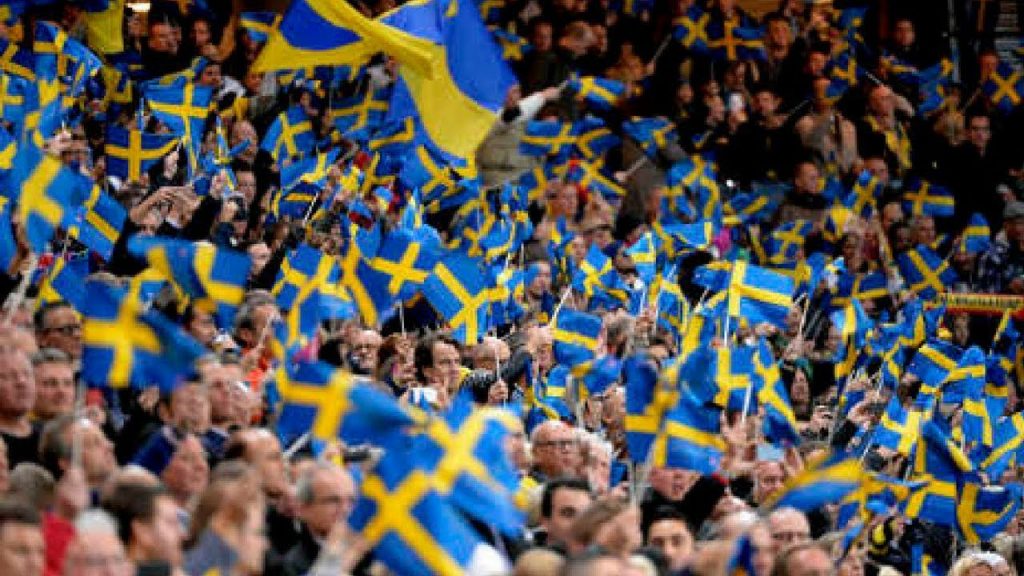
Sweden’s political landscape in 2026 is undergoing significant transformation as the Sweden Democrats continue to strengthen their influence within the governing structure. The debate around the Sweden political party in power has intensified as coalition dynamics shift and right-wing politics gain momentum across the country. The Sweden Democrats, often described as a nationalist and right-leaning party, are increasingly shaping policy discussions in Sweden’s current government
Sweden’s political environment has changed rapidly over the past decade, moving from a traditionally center-left dominated system toward a more fragmented and competitive multi-party structure. The rise of the Swedish right-wing party bloc has reshaped coalition politics, especially with the growing influence of the Sweden Democrats.
The discussion around the Sweden political party in power is no longer straightforward, as coalition governments require cooperation between multiple parties. The Swedish Democrats leader has played a key role in pushing the party into mainstream political negotiations, which was previously considered unlikely.
Current Swedish Government Structure
The current Swedish government operates through coalition arrangements where multiple parties share governing responsibilities. The Sweden Democrats have not always directly held prime ministerial power, but their parliamentary influence has expanded significantly.
Political analysts often describe the situation as a “balance government,” where the Swedish Democrats policies influence national decision-making even without holding full executive control. This has changed how the Sweden political party in power is defined in practical terms.
The Swedish right-wing party bloc, including allied groups, has increased pressure on traditional centrist parties, reshaping policy priorities in areas such as immigration, law enforcement, and national security.
Rise of the Sweden Democrats
The Sweden Democrats have transitioned from being a marginal political group to a central force in Swedish politics. The Swedish Democrats polls have shown steady growth over recent election cycles, reflecting increased public support for stricter immigration policies and stronger national identity narratives.
The Swedish Democrats leader has emphasized issues such as border control, crime prevention, and integration reform. These positions have helped the party expand its voter base, especially among rural and working-class communities.
The Sweden political party in power debate increasingly includes whether the Sweden Democrats should be considered a governing party due to their policy influence and coalition partnerships.
Swedish Democrats Policies and Political Ideology
The Swedish Democrats policies focus on controlled immigration, law and order, welfare system reform, and prioritizing Swedish cultural identity. Critics describe the party as right-wing populist, while supporters argue it represents national interests and social stability.
The ideology of the Swedish Democrats is often categorized as nationalist conservative, placing them on the right of Sweden’s political spectrum. This has contributed to the broader rise of Swedish right wing football-style political identity discussions in media narratives, reflecting cultural debates around nationalism and identity politics.
The Swedish Democrats policies continue to shape legislative debates even when the party is not formally leading the government.
Swedish Democrats Leader and Influence
The Swedish Democrats leader plays a central role in negotiations with other political parties. His leadership strategy has focused on making the party more acceptable in coalition talks while maintaining its core ideological positions.
This leadership approach has contributed to a shift in how the Sweden political party in power is perceived domestically. Instead of a single dominant ruling party, Sweden now reflects a coalition-driven governance model where influence is shared.
Swedish Democrats Polls and Public Opinion
Recent Swedish Democrats polls show fluctuating but generally strong support, indicating that the party remains a major force in Swedish politics. Public opinion is divided, with supporters praising stricter policies and critics warning about democratic and social implications.
The rise in Swedish Democrats polls has also influenced other parties to adjust their positions, especially on immigration and national security. This demonstrates how the Sweden political party in power debate extends beyond formal governance into broader political influence.
Impact on Sweden’s Political System
The rise of the Sweden Democrats has significantly impacted Sweden’s political system. Coalition politics have become more complex, and traditional parties have had to adapt to a changing electorate.
The Sweden political party in power is now defined not only by who holds the prime minister’s office but also by who shapes policy direction. The Swedish right-wing party influence has created new alliances and political compromises that were previously uncommon in Swedish politics.
International and Regional Impact
Sweden’s political shift is being closely watched across Europe. The growing influence of right-wing parties, including the Sweden Democrats, reflects broader European trends involving immigration debates and national identity politics.
International observers note that Sweden’s evolving government structure may influence EU policy discussions, particularly in areas such as migration, border control, and security cooperation.
The Swedish Democrats policies and their growing acceptance in coalition governance are seen as part of a wider European political realignment.
Future Outlook
The future of the Sweden political party in power remains uncertain as coalition dynamics continue to evolve. If current trends in Swedish Democrats polls continue, the party may gain even greater influence in future elections.
However, political competition remains strong, and opposition parties are actively restructuring their strategies to counter the Swedish right-wing party movement.The coming years are likely to determine whether Sweden moves further toward right-leaning governance or returns to a more centrist political balance.
FAQs
Is Sweden nationalistic?
Sweden is generally not defined as a nationalist state in official terms, but nationalist political movements have gained influence in recent years. The Sweden Democrats and other right-leaning groups have brought national identity and immigration debates into mainstream politics, increasing the visibility of nationalist ideas in public discourse.
Is Sweden right or left wing?
Sweden has historically been known for its center-left welfare model, but its current political system is mixed. In recent years, right-wing parties, including the Swedish Democrats, have gained significant ground, creating a more balanced and competitive political environment. The Sweden political party in power discussion reflects this shift toward coalition-based governance.
What is the ideology of the Swedish Democrats?
The Swedish Democrats follow a nationalist conservative ideology. Their Swedish Democrats policies focus on immigration control, law and order, cultural identity, and welfare system reform. Critics label them as right-wing populist, while supporters see them as defenders of national sovereignty and social stability.