

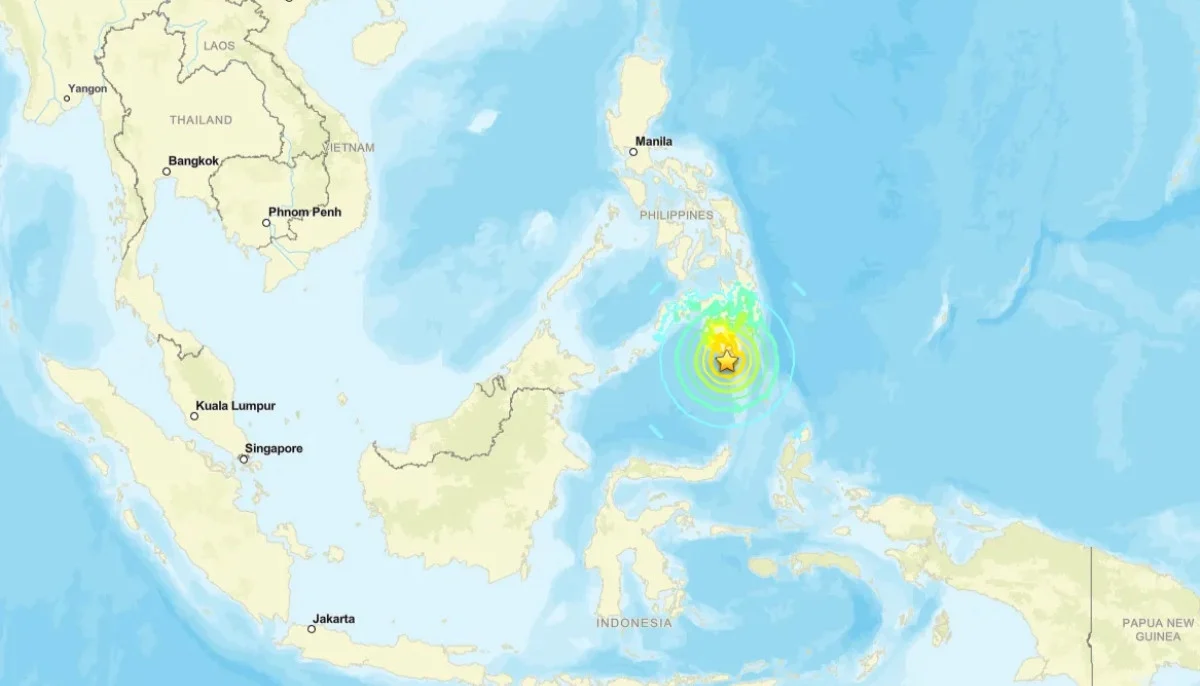
A powerful magnitude 8.2 earthquake off the coast of the Philippines triggered widespread tsunami alerts across parts of Asia and the Pacific region. Authorities issued urgent warnings, placing coastal areas in high alert status as monitoring agencies tracked potential wave activity. The Tsunami alert Asia today situation quickly became a major global concern as countries activated emergency systems.
Background of the Event
The earthquake struck beneath the ocean near the Philippines, a region located along the active Pacific Ring of Fire, which is known for frequent seismic activity. The strong tremors led to immediate concerns about underwater displacement, which can trigger tsunami waves across surrounding coastlines.
Following the quake, meteorological and geological agencies across Asia began issuing alerts. Countries including Japan, Indonesia, and parts of Southeast Asia activated early warning systems as part of their tsunami preparedness protocols.
Details of the Tsunami Warning Situation
The Tsunami warning today live updates confirmed that coastal monitoring stations detected unusual seismic pressure changes after the quake. This led to multiple advisories being issued under Tsunami alert Asia live tracking systems.
Authorities emphasized that wave heights were still being evaluated, but precautionary evacuations were recommended in low-lying coastal regions. The Tsunami warning Japan system also activated alerts for its southern islands, while other Pacific nations monitored sea-level changes closely.
The Tsunami alert Asia map showed several regions under watch, especially areas near the Philippine Sea, eastern Indonesia, and parts of Japan’s Pacific coastline. Emergency agencies stressed that the situation remained dynamic and could change within minutes.
Official Statements and Expert Views
Seismologists from regional monitoring centers stated that the quake’s depth and magnitude made it capable of generating tsunami waves, though not all earthquakes result in destructive waves.
A disaster management official explained that early warnings are issued as a precaution:
“Even if wave activity is uncertain, we activate tsunami warning systems immediately to protect lives in coastal zones.”
The Philippines’ disaster agency also confirmed that the situation was being continuously monitored, with local governments placed on standby.
Experts noted that the Tsunami warning countries today included multiple island and coastal nations due to the wide impact radius of the seismic event.
Impact on Asia and the Pacific Region
The Tsunami alert Asia today situation created widespread concern across coastal communities. People in vulnerable zones were advised to move inland or to higher ground as a safety precaution.
In Japan, transport systems in some coastal areas experienced temporary slowdowns due to evacuation readiness. In the Philippines, coastal villages prepared emergency shelters, while Indonesia activated its tsunami siren network.
The global impact extended beyond Asia, as Pacific monitoring centers in the United States and Australia also tracked the earthquake’s after-effects.
The economic and social impact of such alerts often includes:
- Temporary disruption of transport and shipping
- Evacuation of coastal populations
- Suspension of fishing activities
- Heightened emergency preparedness costs
Conclusion
The Tsunami alert Asia today remains an ongoing situation as scientists continue to monitor ocean behavior following the 8.2 magnitude earthquake. While no major tsunami has been confirmed at the time of reporting, authorities continue to issue precautionary warnings.
Experts say that the next few hours are critical in determining whether wave activity will increase or subside. Coastal communities across Asia remain on high alert as monitoring continues.
FAQs
What countries are on tsunami alert?
Countries including the Philippines, Japan, Indonesia, and several Pacific island nations were placed on tsunami alert following the 8.2 magnitude earthquake. Each country activated its own early warning systems based on coastal risk levels and seismic data. Authorities continue to monitor changes in sea levels and wave activity to determine if alerts should be upgraded or lifted.
Did the tsunami hit Asia?
As of the latest reports, there has been no confirmed major tsunami impact in Asia. However, warnings were issued as a precaution due to the earthquake’s strength and underwater location. Coastal regions were advised to stay alert, as tsunami waves can take hours to fully develop after a seismic event.
Is there a tsunami warning coming?
Tsunami warnings are issued based on real-time seismic and ocean data. In this case, alerts were already activated immediately after the earthquake, but whether a destructive tsunami fully develops depends on ongoing monitoring. Authorities continue to evaluate the situation and may update warnings if ocean activity increases.