

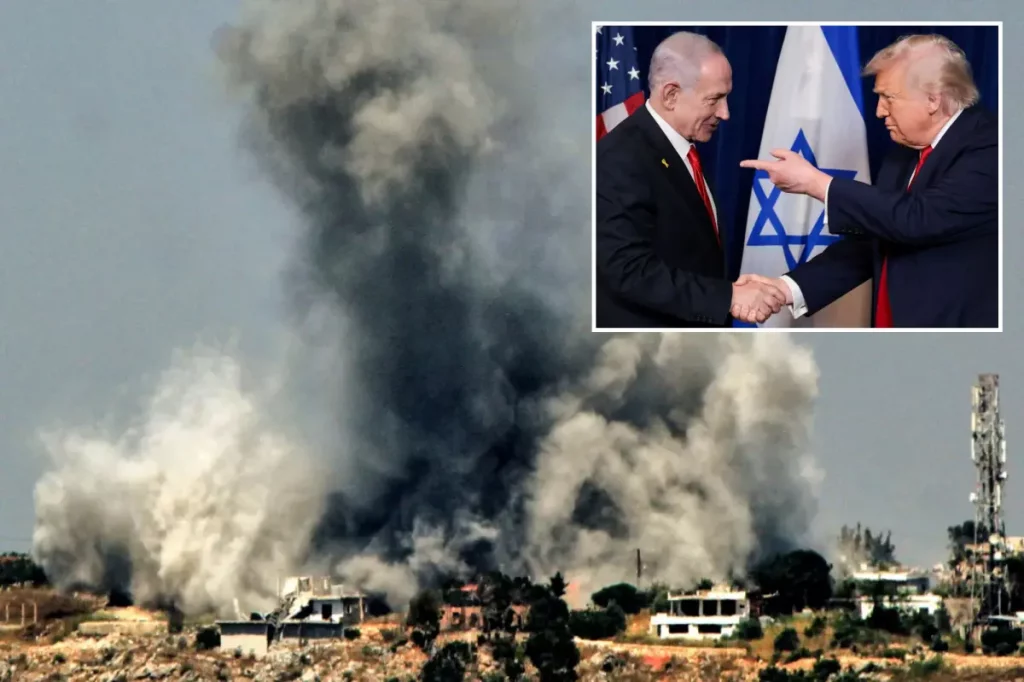

A new Axios report has triggered international political debate after revealing tensions between Donald Trump and Benjamin Netanyahu over Israel’s escalation in Lebanon and broader Iran-related strategy. The conversation, reportedly filled with frustration, has fueled speculation about Trump Netanyahu Iran tensions and their impact on US-Israel relations.
The controversy has also revived discussions around Trump approval rating, Trump Truth Social posts, and Netanyahu’s political position, including claims circulating about Netanyahu 60 Minutes appearances and Netanyahu diagnosed health rumors, though none are officially confirmed.
Background
The relationship between Donald Trump and Benjamin Netanyahu has long been a key pillar of US-Israel diplomacy. However, recent developments reported by Axios suggest growing disagreements over Iran policy, regional military escalation, and Israel’s strategy in Lebanon.
The Axios Trump Netanyahu call report claims that Trump expressed frustration over Israel’s operational direction, while Netanyahu defended his government’s approach. These claims have intensified global media attention, especially as Trump Iran policy remains a central topic in US foreign policy debates.
At the same time, Trump Truth Social posts continue to influence public perception, often amplifying political messaging and shaping discussions around Middle East conflicts.
Details of the Reported Call
According to the Axios report, the Trump Netanyahu Iran tensions escalated during an expletive-laden exchange focused on Israel’s military escalation in Lebanon. While the full transcript has not been officially released, sources suggest that Trump questioned the long-term strategic impact of Israel’s actions.
The report also links the discussion to broader geopolitical concerns involving Iran, with Trump Iran statements frequently highlighting nuclear risks and regional instability. Analysts argue that such exchanges reflect deeper disagreements over how to manage Iran’s influence in the Middle East.
Meanwhile, speculation around Netanyahu 60 Minutes interviews and his international media presence has added further attention to Israel’s leadership messaging during this sensitive period.
Political Reactions and Statements
Political reactions have been divided. Supporters of Trump argue that his criticism reflects a pragmatic approach to avoiding wider regional conflict. Critics, however, believe that such remarks could strain long-standing US-Israel cooperation.
Netanyahu’s office has not officially confirmed the details of the Axios Trump Netanyahu call, but Israeli officials have emphasized that national security decisions remain independent.
At the same time, discussions about Trump approval rating show fluctuating public support, especially as foreign policy issues like Iran and NATO debates gain attention. Interestingly, unrelated discussions such as Why does Trump want to remove Spain from NATO have circulated online, adding to political speculation and misinformation trends.
Impact on Global and Regional Politics
The reported tensions between Trump and Netanyahu have significant implications for global diplomacy. If Trump Netanyahu Iran tensions continue to rise, analysts warn that US-Israel coordination on Iran policy could face challenges.
In the Middle East, Iran remains a central geopolitical actor, and any shift in US or Israeli strategy could affect regional stability. The situation is further complicated by ongoing conflicts in Lebanon and Gaza, where strategic decisions are closely linked to broader Iran-related concerns.
Additionally, Trump Iran policy rhetoric continues to shape international debates, especially as US elections approach and foreign policy becomes a key issue for voters.
Media Coverage and Public Debate
Major international media outlets, including Al Jazeera and other global networks, have extensively covered Trump Iran discussions and Netanyahu’s leadership decisions. The Axios Trump Netanyahu call report has been widely shared, sparking debates across political platforms and social media.
Trump Truth Social posts have also played a role in shaping public narratives, often directly responding to media coverage or political criticism. Meanwhile, discussions about Netanyahu diagnosed claims remain unverified and are widely regarded as speculation.
The intersection of media, politics, and digital communication has made this story one of the most closely watched developments in global politics.
Future Expectations
Looking ahead, the Trump Netanyahu Iran tensions are likely to remain a key topic in international relations. Experts suggest that future US policy toward Iran, Israel’s regional strategy, and NATO-related debates will continue to shape political discourse.
If diplomatic disagreements persist, they could influence broader alliances and impact negotiations on Middle East security frameworks. However, both US and Israeli officials are expected to maintain formal cooperation despite reported disagreements.
FAQs
1. Which phone is the Trump phone?
The term “Trump phone” is often used informally online to refer to branded or campaign-related smartphones, but there is no officially confirmed unique “Trump phone” widely recognized in the tech industry. Most references are tied to promotional or speculative products rather than a standard commercial device.
2. What phone does Imran Khan use?
Imran Khan, like many political leaders, is reported to use secure communication devices, but exact models are not publicly confirmed for security reasons. Leaders often switch devices or use encrypted communication tools depending on security protocols.
3. Is Bibi Netanyahu liked?
Public opinion on Benjamin Netanyahu is deeply divided. Supporters praise his leadership and security policies, while critics oppose his political decisions and governance style. His approval varies significantly across Israel and internationally depending on political perspectives.