For the Sake of Allah, Give Respect to Pakistanis Abroad
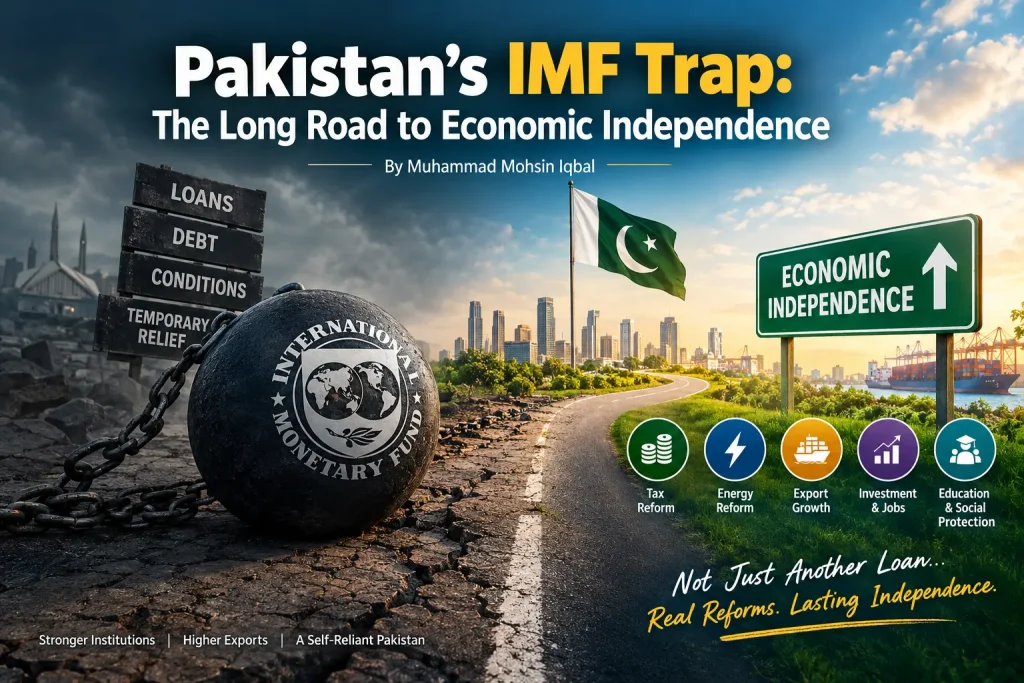
According to statistics and official government announcements, overseas Pakistanis sent $3.25 billion to Pakistan in April alone, while in early May the IMF released only $1.3 billion to Pakistan under an already agreed loan installment. The difference is clear: IMF loans come with strict conditions, while overseas Pakistanis send their hard-earned money purely out of love for their homeland and families.
IMF loans often lead to increases in electricity, petrol, and utility prices, which directly affect ordinary citizens. Inflation rises, public anxiety increases, and political tension grows. Meanwhile, the wealthy elite remain largely unaffected. Overseas Pakistanis, however, ask for no conditions in return. Their only desire is peace, stability, development, and security for their families back home.
Unfortunately, many overseas Pakistanis face serious problems regarding their properties and investments in Pakistan. Properties purchased through lawful earnings are sometimes illegally occupied, and families feel unsafe due to worsening law and order conditions. Government promises regarding facilities for overseas Pakistanis often remain limited to statements, while practical relief is rarely seen.
When overseas Pakistanis seek help from Pakistani missions abroad regarding property disputes or legal issues, they are often told to go through lengthy court procedures. Pakistan’s judicial system already suffers from delays, causing frustration among those who contribute significantly to the national economy through remittances.
Pakistan has long been recognized as an important provider of manpower to Gulf countries, especially Saudi Arabia, the UAE, Qatar, Kuwait, Oman, and Bahrain. Pakistani workers have successfully contributed in construction, transport, engineering, healthcare, IT, and various service sectors for decades.
In the coming years, the demand for Pakistani manpower in Gulf countries is expected to rise significantly due to rapid economic growth, infrastructure expansion, tourism projects, and industrial development. Gulf countries require millions of skilled workers, and Pakistan’s young population is capable of meeting this demand.
Pakistani laborers, electricians, welders, drivers, mechanics, engineers, doctors, and IT professionals have already proven their skills and reliability in Gulf markets. Pakistani workers are globally respected for their honesty, hard work, loyalty, and ability to adapt easily to Gulf societies due to religious and cultural harmony.
Saudi Arabia’s Vision 2030 projects, including the Red Sea Project, tourism expansion, and mega transport networks, offer enormous opportunities for Pakistani manpower. Millions of workers will be required for these projects, yet questions remain about whether Pakistan is properly preparing itself to secure its share in these opportunities.
The Ministry of Overseas Pakistanis should urgently coordinate with Pakistani embassies and consulates abroad by providing updated data on skilled manpower according to market demand. Without proper planning and information, officials cannot effectively promote Pakistani workers in foreign labor markets.
Qatar is another country where infrastructure, hospitality, tourism, and service sectors are expanding rapidly. Pakistan should actively focus on these opportunities as well. In the IT sector, Indian professionals currently dominate Gulf markets, despite Pakistani IT graduates and experts being equally talented and capable.
Similarly, Pakistan has strong potential in the healthcare sector. The demand for Pakistani doctors, nurses, and paramedical staff is increasing as Gulf countries continue expanding hospitals and healthcare services. Pakistani investors living abroad could also establish clinics and hospitals, turning healthcare into both a profitable business and a humanitarian service.
Pakistan’s youth possess skills in IT, engineering, and computer sciences, giving them strong potential for high-quality employment abroad. However, serious national-level planning is needed to fully benefit from these opportunities and compete internationally.
The reality is that overseas Pakistanis have become the backbone of Pakistan’s economy. While political elites and wealthy circles often avoid investing in major projects within the country, overseas Pakistanis continue sending billions of dollars home every year out of love for Pakistan.
Sadly, many government schemes for overseas Pakistanis exist only on paper. Even the children of overseas Pakistanis often face discrimination when they return to Pakistan for education, where they are treated as foreign students and charged extremely high fees.
Pakistani workers abroad are not only strengthening the economy through remittances but are also promoting Pakistan’s positive image worldwide through their honesty, skills, and dedication. For the sake of Allah, overseas Pakistanis deserve respect, protection, and practical support from their homeland.