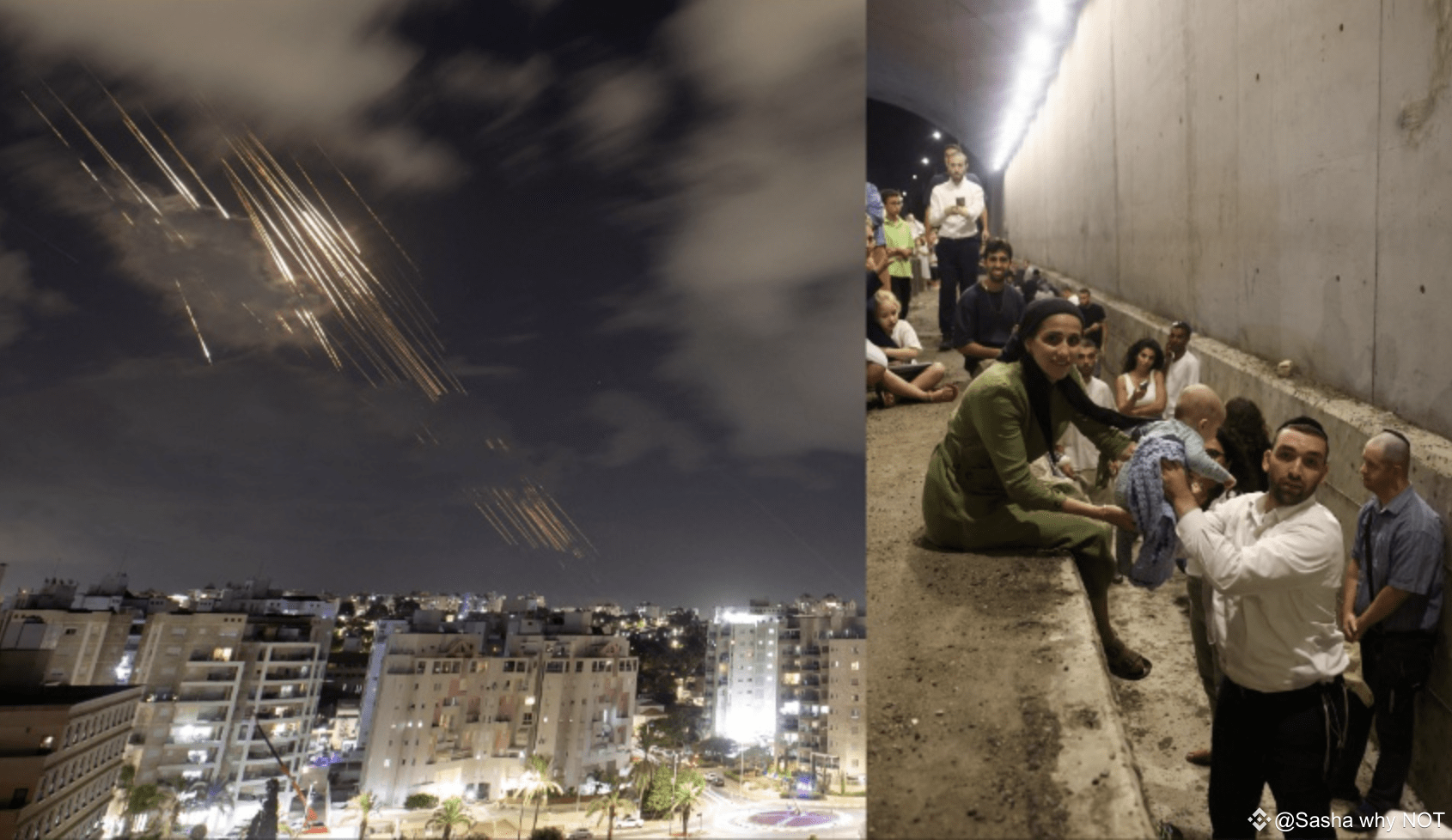
The US-Iran ceasefire, brokered in early April 2026, remains deeply fragile as both sides continue to accuse each other of violations. Iran war news ceasefire developments are moving fast, with Trump now openly stating that the US may consider resuming strikes on Iran. Breaking news from Israel attacks Iran today tensions and the Strait of Hormuz standoff are keeping the world on edge.
Background: How Did the US-Iran War Begin?
The 2026 US-Iran war escalated dramatically after Israel and the United States launched a series of airstrikes on Iran in late February 2026. On 28 February 2026, Israel and the United States launched airstrikes against Iran, killing its supreme leader and many other officials, destroying a large number of military and government targets, and killing civilians.
The conflict had been building for months. On 6 March, President Trump said that only Iran’s “unconditional surrender” would be acceptable and set deadlines of 21 March, then 23 March, then 7 April for a deal. This set the stage for one of the most consequential wars in the modern Middle East.
The Ceasefire: What Was Agreed?
After weeks of intense fighting, a ceasefire was finally reached on April 7–8, 2026, with Pakistan playing a key mediating role. Trump announced on Truth Social that the US and Iran had reached an agreement based on a 10-point proposal mediated by Pakistani Prime Minister Shehbaz Sharif and Field Marshal Asim Munir.
The US, Israel, and Iran agreed to a two-week ceasefire, under which Iran would also re-open the Strait of Hormuz. Key US demands included an end to Iran’s nuclear program, limits on its missiles, and restrictions on Iran’s support for armed groups like Hezbollah.However, Iran’s conditions were very different. The Iranians issued a “5-point counter-proposal,” including an end to US-Israeli attacks on Iran and pro-Iranian forces in Lebanon and Iraq, security guarantees to prevent future Israeli and US aggression, war reparations, and international recognition of Iranian sovereignty over the Strait of Hormuz.
Is the Ceasefire Broken? Iran Rejects Key Demands
The Iran war news ceasefire situation has been increasingly unstable. By 9 April 2026, there was no sign that the agreement to lift the Iranian blockade of the Strait of Hormuz was being implemented, with ships once again being prevented from moving through the Strait, and Israel and the United States being accused by Iran of violating the ceasefire with recent attacks in Lebanon.
Iran also firmly rejected the US’s 15-point peace proposal. An anonymous Iranian official told Press TV that “Iran will end the war when it decides to do so and when its own conditions are met.” This hard-line stance has made any permanent settlement extremely difficult.
A senior Iranian military official has said renewed conflict with the US is “possible” after President Donald Trump rejected the latest peace proposal from Tehran.
US-Iran Ceasefire End Date: Has It Been Extended?
The US-Iran ceasefire end date has been extended multiple times. On 21 April, President Trump said that he extended the Iran truce to allow time for an Iranian proposal to be submitted at Pakistan’s request.
Trump has extended the truce indefinitely. There is currently a “dual blockade,” with the US Navy blockading Iran and Iran blockading the Persian Gulf. This creates an unusual stalemate where neither side is exchanging direct fire, but both are strangling the other economically.
Trump wrote to congressional leaders that “there has been no exchange of fire between the United States Forces and Iran since April 7, 2026,” arguing that formal hostilities have ended. However, many analysts disagree with that characterization given the ongoing dual blockade.
US-Iran War: Who Is Winning?
In terms of military power, the US and Israel have inflicted severe damage on Iran. US officials said US forces severely damaged Iran’s naval capabilities, mainly in the Gulf of Oman, where several Iranian warships have reportedly been destroyed and key bases hit.
However, Iran retains significant leverage through the Strait of Hormuz. The Iranian chokehold has caused oil prices to rise sharply. Before the war, about 3,000 vessels passed through during a typical month in March, it was just 154 vessels.
Both Washington and Tehran are signaling their ability to endure a prolonged stalemate, yet this standoff may force the rest of the world to pay a heavy price for a war it did not choose. In short, neither side can claim a clear victory this remains a grinding strategic contest.
Breaking News: Israel Attacks Iran Lebanon Front Escalates
Breaking news from May 2026 shows that the Lebanon front continues to burn despite declared truces. Hezbollah and Israel have accused each other of near daily violations of a ceasefire the Trump administration brokered between the Israeli and Lebanese governments, which has been extended until mid-May.
The total number of people killed in Lebanon by Israeli attacks is now up to 2,659 since March 2, with another 8,183 injuries. Iran views these attacks on Lebanon as a direct violation of the broader ceasefire framework, further straining any progress in talks.
Trump’s Role: Deals, Threats, and Deadlines
Trump has been central to every twist in the US-Iran war. On 21 April, Trump said that Iran has violated the ceasefire “numerous times.” On April 22, US officials said that Trump gave Iran three to five days to engage in negotiations before resuming attacks.
On 3 May 2026, Trump stated that the US may consider resuming strikes on Iran. At the same time, Trump has said the US “may be better off if no deal is reached,” signaling that negotiations remain uncertain and high-stakes.
Hinglaj Mata Temple: Recently in the News
On a separate but notable note, Hinglaj Mata Temple has recently gained significant attention. Hinglaj Mata is a Hindu temple located in Hinglaj, a town on the Makran coast in the Lasbela district of Balochistan, Pakistan. It lies in the middle of the Hingol National Park and is one of the 51 Shakta Pithas in Shaktism.
The Balochistan government has decided to declare the historic Hinglaj Mata Temple, located in Lasbela district, as a world tourism site, a decision taken to enhance minority religious tourism and present a positive image of the province on the global stage.
The three-day annual festival of the historic Hinglaj Mata temple recently concluded in remote Hingol Park, with an estimated over 300,000 people visiting the shrine. This makes it the largest Hindu pilgrimage in Pakistan and one of the largest in South Asia.
Global Impact of the Iran War
The Iran war news has sent shockwaves through the global economy and geopolitics. The closure of the Strait of Hormuz has sharply raised oil prices worldwide. A March 2026 UN Development Programme report projects that challenges to Iran’s economy will continue, and the closure of Hormuz will further exacerbate the country’s economic challenges.
The US Treasury Department released an advisory indicating shipping companies could face sanctions if they choose to pay tolls to pass through the Strait of Hormuz under Iran’s chokehold. Global energy markets, supply chains, and regional diplomacy all hang in the balance.
Conclusion: What Comes Next?
Iran has submitted a fresh proposal through a Pakistani intermediary calling for “ending the war on all fronts, including Lebanon,” but Trump has indicated he “can’t imagine that it would be acceptable.”
With Trump threatening to resume strikes, Iran refusing to back down, and Israel continuing operations in Lebanon, the US-Iran ceasefire extension remains tenuous at best. The coming days will be critical in determining whether a lasting deal is reached or whether the region slides back into open conflict.
FAQs
Is the ceasefire done between Iran and the USA?
Not permanently. A ceasefire has been in effect since early April 2026, brokered by Pakistan, but it has been extended multiple times and remains fragile. Both sides continue to accuse each other of violations, and Trump has threatened to resume military strikes if no deal is finalized.
Is the Iran ceasefire broken?
Partially, yes. While no direct exchange of fire has occurred between the US and Iran since April 7, 2026, the Strait of Hormuz remains blocked, a US naval blockade of Iranian ports continues, and fighting between Israel and Hezbollah in Lebanon has persisted all of which Iran considers ceasefire violations.
Does Iran reject the ceasefire?
Iran has not rejected the ceasefire outright but has rejected the US’s key peace proposals, including the 15-point plan. Iran insists that Lebanon must be included in any deal and demands security guarantees, sanctions relief, and reparations terms the US currently finds unacceptable.