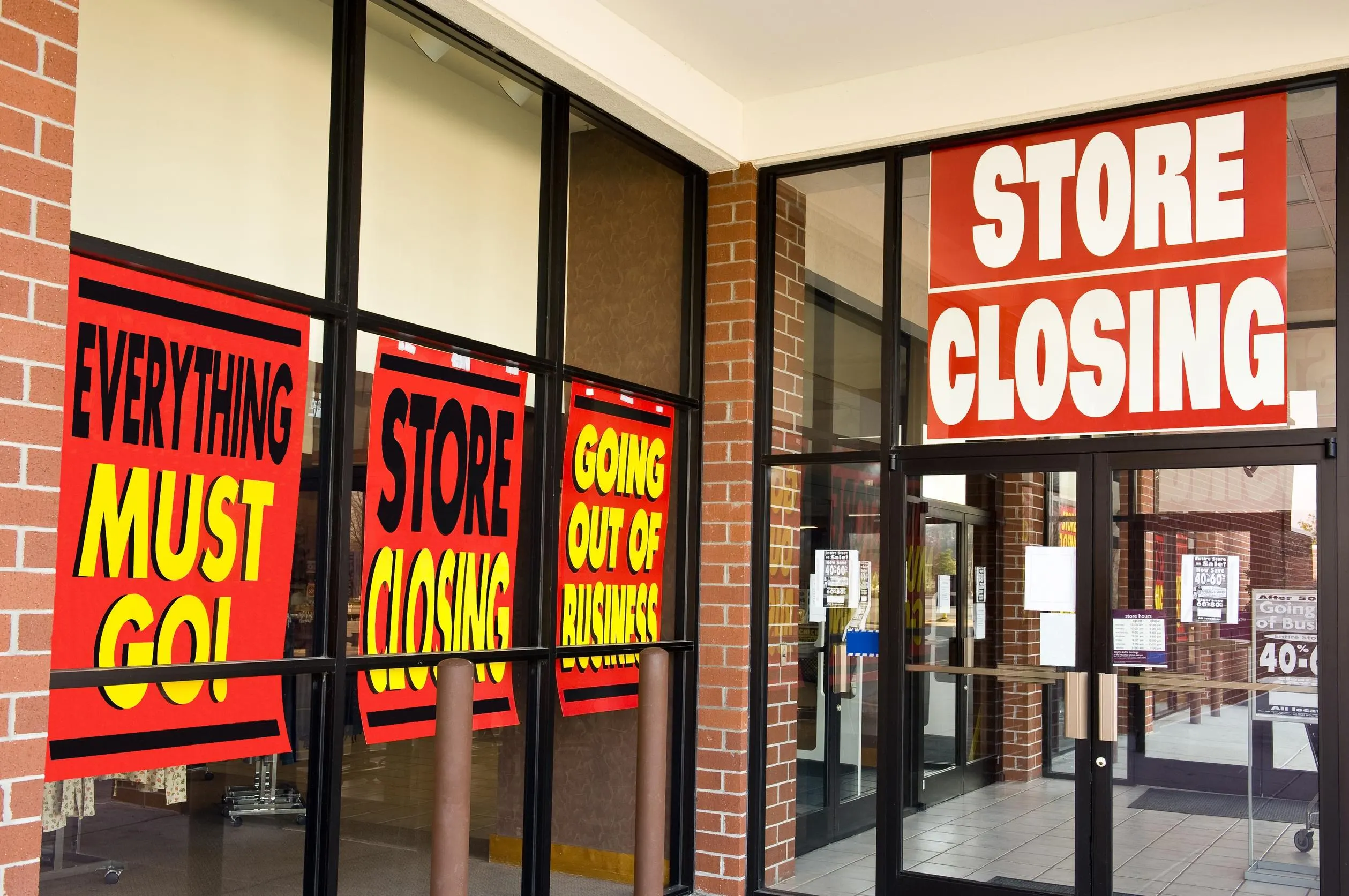
The retail industry is experiencing one of its worst periods in modern history, with shop closures and sales loss making headlines across the globe every week. Roughly 6,000 stores closed in the first half of 2025, vacating 123.7 million square feet of retail space dwarfing the 3,960 new store locations announced in the same period.From fast fashion giants to pharmacy chains, no sector has been spared.
Background: How the Retail Crisis Began
The story of shop closures and sales loss did not begin in 2025. It has roots stretching back years. Since at least the 2008 financial crisis, various economic factors have resulted in the closing of many stores in North America, the United Kingdom, and Australia, particularly in the department store industry.
The COVID-19 pandemic then delivered a devastating blow. Online shopping boomed during coronavirus-related lockdowns, permanently shifting consumer habits with 29% of surveyed US consumers stating they had no intention to ever return to offline shopping, and in the UK, that number reached 43%.
This shift set the stage for the ongoing wave of shop closures and sales loss that continues to accelerate today. The damage done to consumer habits proved permanent, and brick-and-mortar retailers have been paying the price ever since.
Shop Closures and Sales Loss in 2022: A Turning Point
The year shop closures sales loss 2022 became a watershed moment in retail history. The year 2022 was probably the worst year for retailers in 25 years, according to retail research analysis.Multiple pressures converged at once, suffocating profit margins across the industry.
Inflation in 2022 caused food prices to rise by more than 10%, pushing consumers toward cheaper retailers and forcing most to become more competitive. The whopping increase in energy prices was large enough to have a profound impact on 20–25% of consumers, who spent less in shops because they had to pay higher energy bills.
On top of inflation, theft was draining retailers dry. According to the National Retail Federation, inventory shrink hit a record $112 billion in losses in 2022, up sharply from about $94 billion in 2021.This massive sales loss pushed already-struggling stores closer to the edge.
Despite the chaos, not everything collapsed in 2022. Store closures actually declined by just over 50% in 2022 compared to 2021, and store openings outpaced closures. Discount stores led openings, with 1,858 new stores, while apparel retailers clothing, footwear, and accessories closed 750 locations.The discount sector was thriving while traditional retail was bleeding.
Shop Closures Today: The 2025 Retail Collapse
Fast forward to today, and the shop closures and sales loss situation has dramatically worsened. Coresight predicted roughly 15,000 retail locations would shutter for the full year of 2025, with around 5,800 new store openings leaving an expected net loss of about 9,200 store locations by year end.That is a staggering number by any measure.
The list of major names affected reads like a who’s who of retail history. Forever 21 filed for bankruptcy for the second time in March 2025 and closed down its US operations, shuttering about 500 stores. The company blamed economic challenges impacting cost-sensitive teen shoppers, as well as the rise of foreign fast fashion companies like Shein and Temu.
Fabrics and crafts retailer Joann closed up shop in February, ending more than 80 years in business. The closure came following its second Chapter 11 filing within a year, with the company blaming sluggish sales, inventory problems, and a heavy debt load.
Party City, best known for balloons and celebratory supplies, fully closed all 700 of its store locations by February 2025. Walgreens and CVS, both pharmacy giants, are also reducing their footprints, with Walgreens set to close 1,200 stores over three years.
Rite Aid announced that about 1,000 stores would close as it winds down its business operations following two bankruptcies since 2023. Teen apparel retailer Forever 21 cited competitive pressures and shifting shopping habits away from malls as the primary reasons for its financial collapse.
Main Causes of Shop Closures and Sales Loss
Several powerful forces are driving this retail reckoning. Understanding them is key to understanding where the industry is headed.
The E-Commerce Shift
At the heart of the retail reset are rapidly changing consumer habits, with more shoppers turning to online retail and moving away from traditional brick-and-mortar locations. This shift has left many retailers grappling with underperforming stores and mounting operational costs.
Inflation and Rising Costs
After years of relatively low inflation, prices spiked dramatically in 2021–2022, reaching 40-year highs. By mid-2022, inflation peaked at over 9%, driving up the cost of everything from food to fuel. Although inflation has moderated since, consumers are still paying considerably more for basic necessities.
Tariff Pressures in 2025
Tariffs are reshaping sourcing, pricing, and profitability for retailers. Legacy formats like mall stores are losing relevance, and retailers that cannot adapt are finding themselves on increasingly shaky ground.One clear example: At Home, a housewares and seasonal decor store, filed for bankruptcy in June 2025, largely blaming tariffs for its soaring debt and lower profit margins.
Declining Mall Traffic
Shopping malls have been hit hardest by the shop closures and sales loss wave. The US was arguably over-malled in the past, and many of those malls are now struggling. Malls had an 8.7% vacancy rate at the end of 2024 more than double the average retail vacancy rate and 2024 saw a net loss of roughly 2,380 stores within malls.
Quotes: What Experts Are Saying
Retail analysts have not held back in their assessments of the ongoing crisis.
Industry observers note: “At the heart of the retail reset are rapidly changing consumer habits, with more shoppers turning to online retail and moving away from traditional brick-and-mortar locations.”
According to financial analysts: “This retail reckoning isn’t just about mismanagement or bad luck it’s the result of broader economic pressures and shifting consumer behavior. Inflation continues to eat away at household budgets, leaving less room for non-essential spending.”
The former CEO of Joann stated: “The last several years have presented significant and lasting challenges in the retail environment, which, coupled with our current financial position and constrained inventory levels, forced us to take this step.”
Impact: What Shop Closures Mean for Communities
The human cost of shop closures and sales loss is enormous and often overlooked. Party City’s closure left all 12,000 employees without jobs, benefits, or severance pay.That is just one company across thousands of closures, millions of workers are affected.
Vacant storefronts are becoming an increasingly common sight, and declining commercial property values are the norm. For consumers, the fallout means fewer choices, diminished access to in-person shopping, and, in some cases, higher prices due to reduced competition.
There is, however, one sector bucking the trend. The discount sector accounts for the largest share of store growth in 2025, with roughly 1,253 new stores opened about 30% of total openings as consumers pressed by inflation seek out value.Value-focused retailers like TJ Maxx and Dollar Tree continue to expand while others collapse around them.
Conclusion: What Comes Next for Retail?
The retail industry is not going to disappear but it is being fundamentally reshaped. Annual retail sales are still rising 3.3% in the US and online sales are soaring 8.3% year over year, even as physical stores close at record rates.The money is still being spent just differently.
Retailers that survive will be those who invest in digital channels, reduce their physical footprint strategically, and focus only on their strongest-performing locations. Retailers are proactively pruning their store networks to stay competitive in a world of shifting consumer habits, rising operating costs, and relentless e-commerce pressure closing stores to free up capital for remodels, digital investments, and higher-growth formats.
The shop closures and sales loss story is not over. If anything, the restructuring of global retail has only just begun.
FAQs
Why are so many shops closing down?
The closures are driven by rapidly changing consumer habits, with more shoppers moving to online retail. Rising expenses for rent, labor, and inventory are forcing companies to make tough decisions about which stores to keep open.Tariffs, inflation, and declining mall traffic are also major contributing factors.
What is the main reason for declining sales?
One major culprit is the surge in inflation and the resulting squeeze on consumer spending. Consumers are paying considerably more for basic necessities, leaving less to spend on non-essential retail goods.The shift toward e-commerce has also permanently redirected spending away from physical stores, causing long-term sales loss for brick-and-mortar retailers.
What’s the worst month for retail?
January is historically the most difficult month for retail. After the holiday spending rush ends in December, consumer spending drops sharply in January, bills arrive, and post-holiday financial tightening sets in. This is why many retailers announce closures, bankruptcy filings, and restructuring plans at the start of the new year as seen with multiple major retailers in early 2025.