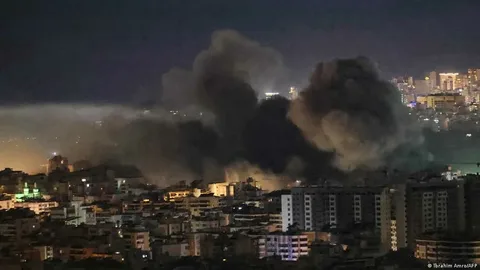
The Iran war has entered a critical phase in April 2026. Israel attacks on Iran continue even as diplomatic pressure mounts. The Strait of Hormuz remains largely blocked to global shipping, sending oil prices soaring. A fragile Israel-Lebanon ceasefire offers a small window of hope — but the Iran Israel war is far from over.
Background: How the Iran War Started
The 2026 Iran war did not emerge overnight. It is rooted in decades of hostility between Iran, Israel, and the United States tensions stretching back to Iran’s 1979 Islamic Revolution and the hostage crisis that followed.
The conflict was initiated by the United States and Israel on February 28, 2026, in a move that upended the entire Middle East region. The opening strike assassinated Iran’s Supreme Leader Ali Khamenei, triggering a wave of hundreds of retaliatory missiles and thousands of drones launched by Iran across the Middle East.
The US and Israel launched coordinated airstrikes under what was called Operation Epic Fury, targeting Iranian military facilities, nuclear sites, and leadership. The strikes killed Supreme Leader Ali Khamenei and set off a chain reaction that would reshape the region.
Israel Attacks Iran: What’s Happening Now
As of April 17, 2026, the Iran Israel war continues with no clear end in sight. Israel attacks have been relentless, and Iran has responded with missile barrages targeting Israeli cities and Gulf Arab states.
In the first four days of the Iran war, Iran launched 90, 65, 25, and then 20 missiles at Israel on successive days. Though the number of missiles per volley declined, they grew larger and more destructive over time. On April 4, an Iranian missile strike hit near IDF headquarters in Tel Aviv.
Meanwhile, Iran’s strikes have not been limited to Israel. Iran launched strikes across several countries in the region in the first few days of the war alone, targeting American assets as well as Gulf energy and other infrastructure, almost immediately causing global market disruption.
Even Qatar, which had spent years mediating between Washington and Tehran, was not spared. Qatar faced Iranian strikes on its civilian infrastructure and energy installations hours after the war began, even though it had kept diplomatic channels open with all sides.
Strait of Hormuz: The World’s Most Dangerous Chokepoint
No element of the Iran war has rattled global markets more than the closure of the Strait of Hormuz. This narrow waterway carries roughly 20% of the world’s oil supply.
Shipping traffic through the Strait of Hormuz has been largely blocked by Iran since February 28, 2026, when the United States and Israel launched their air war against Iran. On March 2, a senior IRGC official confirmed that the strait was officially closed, threatening any ship that attempted to pass through.
The economic impact has been severe. Iranian strikes on energy infrastructure across Gulf states forced several producers to declare force majeure and suspend operations. Qatar Energy halted LNG production, and gas prices in Europe surged by almost 50 percent in the Netherlands and the UK.
The Strait of Hormuz remains effectively closed to most commercial shipping, despite an ongoing US military blockade of Iranian ports aimed at forcing a reopening. The tanker gridlock is keeping global oil and gas prices high and increasing pressure on all sides to find a diplomatic solution.However, there are now signs of movement. Iran’s foreign ministry declared the Strait of Hormuz “completely open,” while US President Trump said the American blockade “will remain in full force” until a peace deal is reached, adding “There are not going to be tolls.”
Who Is Winning the Iran War?
This is the question on every analyst’s mind. The answer is deeply complicated.
On the military front, Israel and the United States have degraded much of Iran’s military and nuclear infrastructure. The opening strike was premised on the assumption that removing Khamenei would precipitate collapse. Instead, a successor was selected shortly after, and state institutions continued to function.
Iran, for its part, has inflicted serious damage. More than 2,000 people were killed and over 4,000 wounded by Israeli strikes in Lebanon alone, and Lebanon reports more than one million Lebanese nationals displaced roughly one-sixth of the country’s population.
Al Jazeera’s analysis paints a more sobering picture. The course of the war demonstrated that the concept of neutrality is no longer viable in the contemporary Middle East. When conflict spreads through armed proxies, the closure of vital maritime corridors, and threats to global energy supplies, no state can remain truly neutral.
Quotes: What Officials and Experts Are Saying
US President Trump expressed cautious optimism, saying: “The Iran thing is just going well.” He confirmed that a US naval blockade of Iranian ports remains active while diplomatic talks continue.
Israeli Prime Minister Benjamin Netanyahu, announcing the Israel-Lebanon ceasefire, said he agreed to the truce “to advance” peace efforts with Lebanon, while confirming that Israeli troops would remain stationed in southern Lebanon.
Al Jazeera opinion contributor Khalid Al-Jaber, writing on April 17, 2026, offered this stark assessment: the war reveals a deeper transformation in the nature of the threats confronting the international order threats that are no longer conventional or confined within state borders, but networked and spreading across military, economic, and digital fronts simultaneously.
Global and Regional Impact
The Iran war has sent shockwaves well beyond the Middle East. Energy markets, trade routes, and diplomatic alliances have all been disrupted.
Several NATO member states signalled reluctance or outright refused to support Washington’s request for expanded cooperation. Divisions within the UN Security Council became evident: while some members condemned Iran’s strikes on Gulf states, the Council was unable to reach consensus on the US-Israeli strikes.
Canada’s Prime Minister Mark Carney also weighed in. He said he spoke with the leaders of France and the UK about severe disruptions to trade and maritime traffic caused by the closure of the Strait of Hormuz, welcoming the ceasefire between Israel and Lebanon and Iran’s announcement about reopening the Strait.
Top Pakistani officials are visiting Iran and other Gulf states, and possibly returning to Washington soon, as they race to orchestrate a new round of US-Iran talks. Trump has voiced optimism that the war will end soon, saying the next round of talks will yield “amazing” results.
Conclusion: What Comes Next?
A fragile 10-day Israel-Lebanon ceasefire took effect on April 16, 2026. Israel and Lebanon agreed to the truce, which began at 5 p.m. ET on April 16, with Netanyahu saying it was agreed upon to “advance” peace efforts with Lebanon.
But the broader Iran war remains unresolved. Diplomacy is intensifying, but the Strait of Hormuz situation, Iran’s missile capability, and the question of Iran’s political future all hang in the balance.
The coming phase will leave little room for the grey zone within which states have long been accustomed to manoeuvring. It will be either the logic of cautious containment or the logic of decisive resolution and in either case, the cost of the decision will be steep.
The world is watching. The Iran war is not just a regional conflict it is a defining moment for the entire international order.
FAQs
Is the UAE friendly with Iran?
The UAE and Iran have historically had a complex relationship. They share the Persian Gulf and maintain trade ties, but the UAE has significant territorial disputes with Iran particularly over the islands of Abu Musa and the Greater and Lesser Tunbs. In the current Iran war, the UAE has tried to remain neutral while aligning broadly with Gulf Arab partners and Western allies.
Why is Iran attacking the UAE?
Iran has not specifically singled out the UAE for attack in the 2026 Iran war. However, Iran struck Gulf Arab energy infrastructure broadly including in Qatar and Saudi Arabia in retaliation for US and Israeli strikes on Iranian territory. The UAE’s close ties with the United States and Israel make it a potential target in Iranian threat calculations, even if the UAE has not participated militarily.
Who is the biggest friend of Iran?
Iran’s closest allies include Russia and China, both of which have provided diplomatic support and opposed Western sanctions. Within the region, Hezbollah in Lebanon, Houthi forces in Yemen, and certain Iraqi militia groups form Iran’s so-called “Axis of Resistance.” However, in the 2026 Iran war, many of these alliances have been strained by the scale and speed of Israeli and US strikes.